
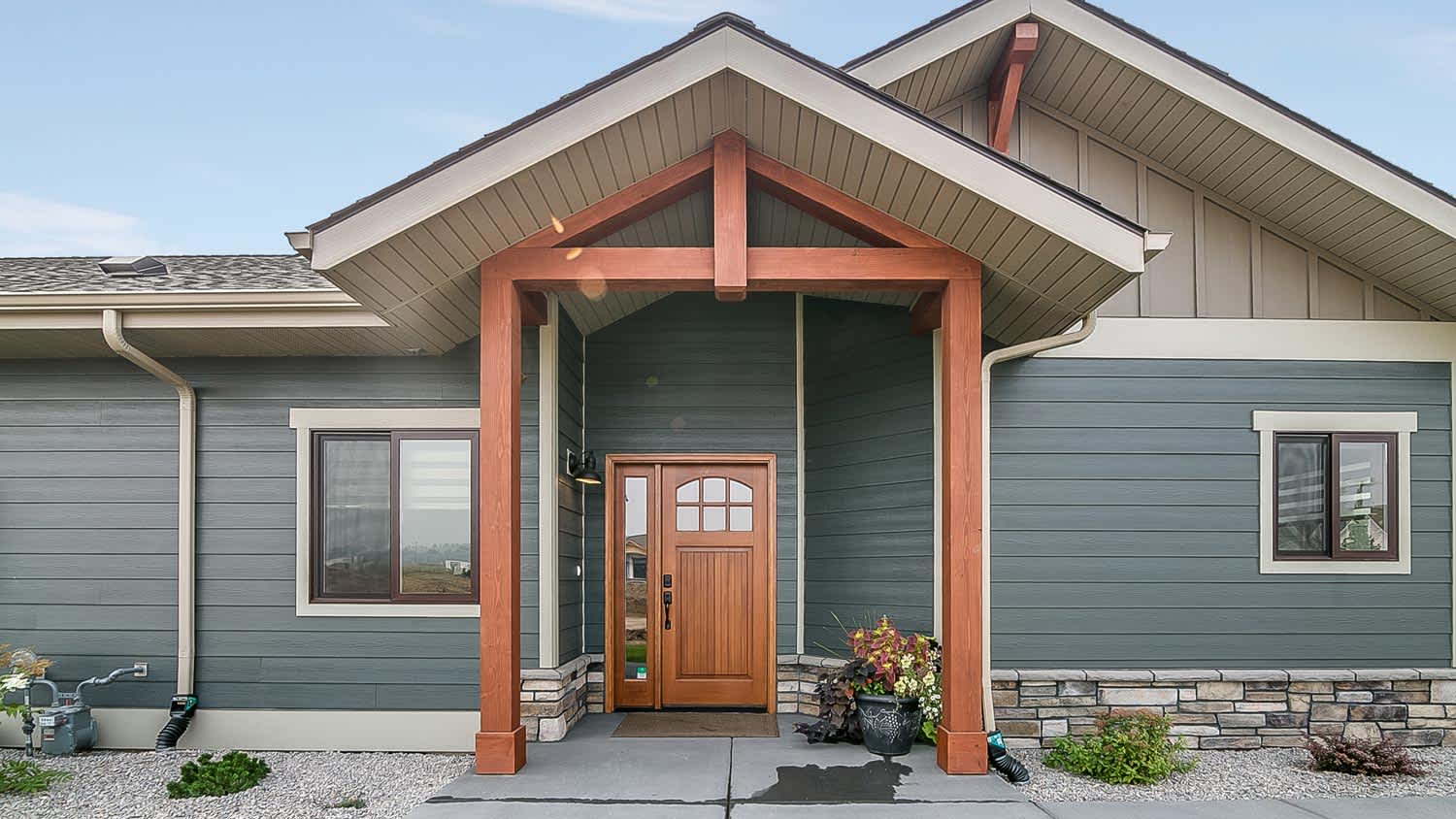
Concrete plays a role in more than just your foundation. No matter where you need the extra stability, here's how to determine your concrete slab cost.
Get that smooth, clean look for your new concrete surface

Concrete troweling smooths your poured concrete surface after it sets, creating a dense, level finish that prevents cracks and improves durability.
Timing is critical for troweling concrete, as you need to wait until the surface is firm enough to support weight but still workable.
Your concrete requires proper floating before troweling begins, and you should perform multiple passes while gradually reducing pressure to avoid surface defects.
Hiring a local concrete finishing professional removes the guesswork from timing and technique, ensuring your surface cures properly for lasting strength and appearance.
No one wants an uneven, rough concrete surface, and that’s why it’s so important to trowel finish concrete. Troweling ensures a smooth, sleek appearance on your concrete slab that’s free from imperfections. It can also prevent the likelihood of needing to sand concrete surfaces or otherwise repair them down the road. In this guide, you’ll learn the importance of concrete troweling and how to do it properly.
Concrete troweling is the process of using a hand trowel (a flat or curved handheld tool) or a power trowel to manipulate the surface of the poured concrete. It’s done after the initial setting of the concrete to create a smooth, dense, and visually appealing finish. After troweling, the surface can dry up before the concrete is sealed.
Troweling involves smoothing out ridges, filling voids, and compacting the concrete, resulting in a level and even surface. This is a crucial step in the concrete finishing process. It not only enhances the aesthetics of the surface but also improves the material’s durability and resistance to wear and tear. A trowel finish ultimately helps to prevent future damage and manage the overall cost of polished concrete floors.

The timing of troweling is critical to achieving that perfectly smooth surface. It's important to allow the concrete to reach the proper stage of hardness before starting the troweling process.
Concrete’s setting time varies based on factors like temperature, humidity level, and the type of concrete mix. A general rule of thumb is that concrete is ready for troweling when it is firm enough to support the weight of the troweling equipment but still pliable and not fully cured. This often occurs between the first few hours and a day after pouring the concrete, depending on the conditions.
Concrete should be at the correct consistency, referred to as the "plastic state," which allows it to be troweled without causing excessive bleeding or surface damage. Perform a thumbprint test or look at the surface moisture to determine when the concrete is ready for troweling.
Factors like ambient temperature, wind, and humidity can also affect the troweling window. It's important to strike a balance between timing and weather conditions to achieve the perfect concrete trowel finish.
Let all the bleed water evaporate before finishing your concrete. This can take anywhere from 20 minutes to four hours.

While concrete troweling and floating are often used interchangeably, they are actually separate and distinct processes. Concrete floating is performed earlier in the curing process and involves using a float. This tool is one that is flat or rounded, and it’s used to level and compact the concrete surface. Floating prepares the concrete for troweling by reducing surface imperfections and closing the surface pores.
Troweling is performed after floating and focuses on achieving a final smooth finish. It also delivers the additional compaction needed for strength.
A crucial step in the concrete construction process, troweling is extremely beneficial. To ensure durability, aesthetics, and easy future maintenance, a trowel finish isn’t something you’ll want to cut in your concrete project. Here are just a few benefits of concrete troweling:
Ensures the longevity and performance of your concrete surface
Minimizes the potential for cracking
Improves resistance to moisture penetration
Helps eliminate surface imperfections, such as air voids and bug holes
Makes a surface that’s easier to clean and maintain
Before you go ahead and move forward with concrete troweling, you should consider its drawbacks, including the following:
It can be difficult to find the right balance between weather and timing to ensure the ideal concrete trowel finish.
For the best results, you must use proper techniques and pay meticulous attention to detail.
Paper trowels can be expensive to buy or rent, and hand trowels require a significant amount of manual effort.
A large-scale concrete troweling project may be unrealistic to do yourself and might warrant the help of a professional.
When it comes to troweling, you have the option of using a hand trowel or a power trowel. Both have their benefits and drawbacks.
| Hand Trowels | Power Trowels |
|---|---|
| Pro: Versatile and affordable | Pro: Work faster and with less physical effort |
| Pro: Perfect for smaller concrete projects or ones in areas that are difficult to access with power tools | Pro: Great options for larger concrete construction projects |
| Pro: Allows for more control and precision | Pro: Deliver a consistent finish |
| Con: Require more manual effort | Con: Costly to buy or rent |
As you can see, the choice between a hand trowel and a power trowel depends on the scale of your project, your comfort level with finishing concrete, and possibly even your budget.
Having an aesthetic and durable trowel finish will certainly help manage the overall cost of a concrete slab. However, achieving this requires proper technique and attention to detail. Here is a step-by-step guide to help you through the process:
Gather all the tools and safety equipment you’ll need for troweling. This includes steel hand trowels, gloves, kneeboards, and safety gear if you’re using a power trowel.
Be sure that the wet concrete surface is cleared of any debris.
Hold the trowel at a slight angle and start troweling at one end of the concrete slab.
Apply pressure consistently and evenly and push the trowel forward with a smooth motion.
Slightly overlap each pass of your trowel for an even finish.
Adjust the angle of the trowel as you work to ensure the desired smoothness.
Keep the trowel clean by periodically wiping off any excess concrete buildup.
Repeat the troweling process, gradually reducing the pressure and angle of your passes as the concrete sets.
Avoid over-troweling, as it can cause surface defects and weaken the concrete.
Regularly check the concrete surface for any imperfections throughout the troweling process and correct them right away.
While troweling concrete can be a DIY project, there are instances where hiring a professional is recommended. Consider calling in your local concrete finishing professional in the following situations:
Large-scale projects that require extensive troweling and expertise
Complex designs or decorative finishes that demand precision and skill
Limited experience or lack of confidence in handling troweling equipment
Time constraints or the need for faster completion
A flawless finish is crucial for aesthetic or functional reasons
Veronica Sparks contributed to this piece.
Positive experience. As previously stated, the replacement/repair could not be completed (no fault of the plumbing tech) b/c misinformation was rec?d by property management maintenance. Thanks to the plumbing tech for your efforts. Appreciate you!
 The Waterworks
Carpet repair done well. Scheduling was easy. Showed up on time.
 BR Flooring Installation
I would recommend this company to anyone! He showed up on time, was friendly, completed a very difficult repair on our dryer vent cover, was responsive, and pricing was extremely fair and competitive. I would have him back to do any of our repairs or cleanings without hesitation!
 U.S.A. Dryer Vent, LLC
Everything from initial contact to completion was absolutely top notch. We contacted the business during off hours to leave a message, and the owner still reached out to feel out the issue within minutes. We were scheduled and repaired within 48 hours. I cannot say enough about the...
 Supreme brick & chimney
Great experience all together. Dog friendly, courteous, great results and honest with recommendations. Will certainly be using Cardinal in the future for any carpet repairs
 Cardinal Carpet Care & Repair
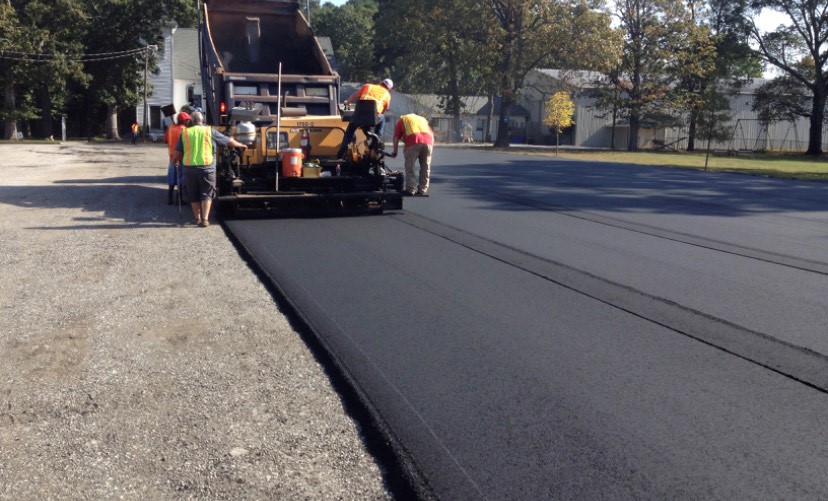
Working with Peter and his crew was a breeze. They were exceptionally polite and did a neat job to repair and seal our driveway. I will definitely talk to them first for additional work.
 Central Paving
Description says they handle window repair including rotten hardwood - they called me back right away but didnâ t leave a voicemail. I followed up 3 days later and they said they donâ t do that kind of work.
 Window-Gurus
They did an excellent job with the repair, took care of all communication with the insurance company and had car rental service also with a very reliable, quality care
 Three C Body Shop
We recently had our office sidewalk repaired and CT Concrete did an "Outstanding" job. They were quick, friendly and the job is "flawless". I would highly recommend CT Concrete for any of your concrete/sidewalk needs.
Mr. Bunting repaired one broken brace (the "sticks" that connect the legs of a chair to make it stronger), and replaced another on two high end antique replica Windsor chairs I own. The one that was replaced required him to turn a new brace on a lathe to be the same as the missing brace would...
From average costs to expert advice, get all the answers you need to get your job done.
Concrete plays a role in more than just your foundation. No matter where you need the extra stability, here's how to determine your concrete slab cost.

Looking to add some texture to your walls for a unique finish? Use this guide to estimate skip trowel texture cost to see if it’s the right option for you.
Need to breathe new life into your exterior stoop? Use this guide on concrete step repair cost to see the price of a professional repair.
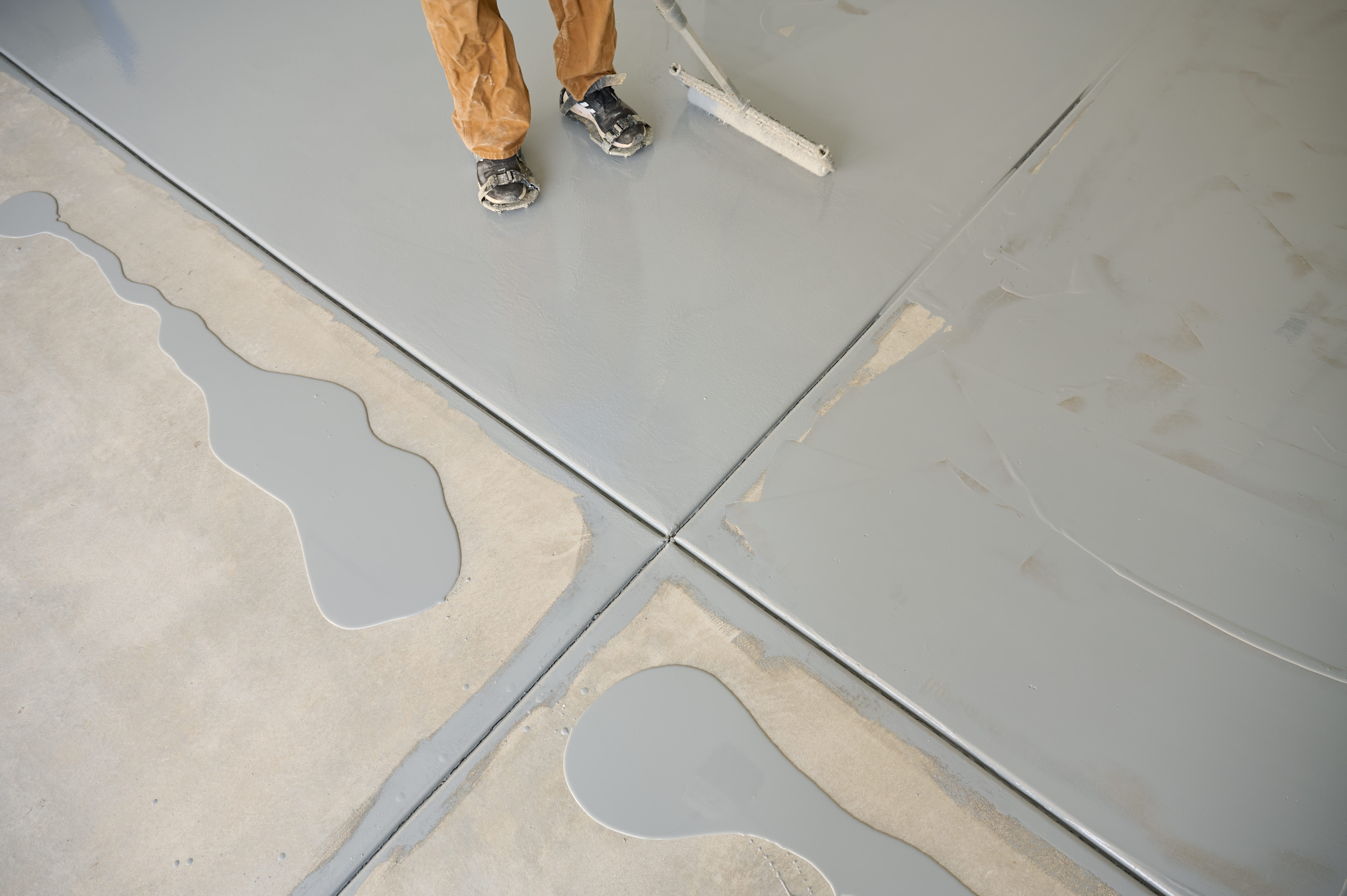
Concrete floors aren’t just for warehouses and trendy stores. Find out how these nine concrete floor finishes can transform the look of your space.

Looking to tackle concrete projects in and around your home? Use this concrete tools list to make sure you have the right tools to get the job done.
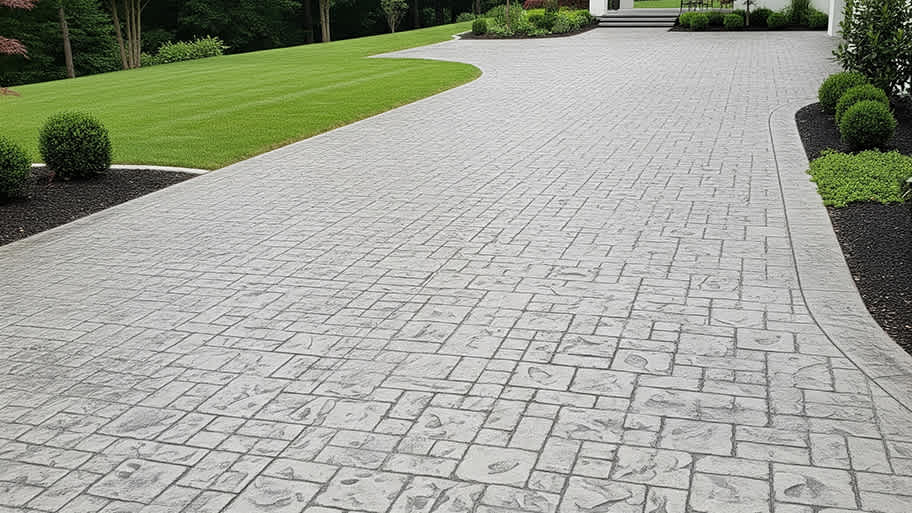
Finished concrete is an affordable way to maximize your home’s curb appeal. Learn about the different types of concrete finish and which is right for you.