

Sealing concrete floors, patios, walkways, and driveways can keep them looking fresh for far longer. Let's break down the cost to seal concrete with a pro or on your own.
Removing old concrete sealant paves the way for a new look

Removing concrete sealer from your surface is necessary before resealing because old sealer prevents new coats from bonding properly, leaving concrete unprotected.
Professional concrete sealer removal costs $1 to $3 per square foot, depending on the sealer type and removal method you choose.
Chemical strippers work best for solvent-based sealers, while mechanical removal methods like power washing or sanding handle water-based sealers effectively for your project.
Hiring a local concrete resurfacing professional provides reliable guidance on chemical strippers and mechanical removal methods, helping you avoid concrete damage and complete the job safely.
Surface sealant helps concrete stay strong in the face of UV rays, weather, and wear and tear. But every two to five years, it needs to be replaced—and before you apply new sealant, you’ll almost always need to remove the old concrete sealer. While you can hire a professional to seal concrete and remove the old layer, experienced DIYers can also take on the job themselves.
Eventually, no matter the concrete floor finish it’s on, concrete sealer gets old and begins to fade, flake, or fail. If you’re removing a surface sealant from your concrete, you’ll need to remove every trace of it before applying a new sealer. Any old sealant left on the concrete will prevent the new sealer from properly adhering, leaving your concrete unprotected.
You should seal concrete every one to five years depending on the external conditions and level of wear and tear. A masonry contractor can advise on how often your surface will need resealing.

The cost of sealant removal depends on the types of concrete sealers used, method of removal, location, and other factors unique to each job. However, the national average cost to remove old sealant ranges between $1 and $3 per square foot.
Before you begin, gather the necessary safety equipment for removing the concrete sealer. Whether you opt for the mechanical or chemical method, you should always wear a construction-approved respirator, protective clothing, and thick work boots. Proper ventilation—and, in some cases, fans and dust collectors—are also crucial.
Next, determine the type of concrete sealer on your floors to choose the right removal method. Concrete sealers often fall into four categories: acrylic, epoxy, polyurethane, and penetrating sealers. Most sealants also break down into either solvent or water-based categories.
If you're not sure which type of sealer was used, add a small spot of xylene to the floor in question. Allow it to sit for about 20 seconds. Using gloves, wipe it away and check if the spot is sticky to the touch. If so, you have a solvent sealant. If not, it's likely water-based or a penetrating sealer. You do not need to remove a penetrating sealer before starting, and you can move right on to exploring how to apply a new sealer.
If you’re ready to tackle the job yourself, these steps will get you started and keep you on task. Keep in mind, though, that it’s always better to hire a professional concrete resurfacing contractor if you’re unsure about doing the work yourself.
The chemical method of removing concrete sealer is, by far, the easier and more dependable choice, especially for solvent-based sealers. After you've determined the type of sealer on your concrete, head to the store to purchase a sealant remover specific to solvent or water-based sealer removal. Be wary of using muriatic acid to remove the concrete sealer, as it can permanently damage the concrete surface below.
Remove all debris and flaking concrete sealer from the surface with a hard-bristled push broom or a leaf blower.
Check the label of your remover to check for temperature preferences. It's often best to wait for a relatively warm day, preferably over 65 degrees.
Follow all instructions carefully when opening and prepping the remover. Some varieties, such as acid-based removers, require neutralization after applying.
While wearing your protective equipment, either apply the remover by pouring a thin layer over a medium-sized area or use a solvent-approved sprayer for the job.
With a push broom, brush, or large piece of steel wool, move the remover around to apply it evenly to the sealer.
Allow the remover to sit for several minutes according to the instructions on the bottle.
Depending on the type of sealer and remover, you can now wipe away the old sealer with a cloth, power washer, strong hose, or a putty knife.
You can remove water-based sealers and even some solvent-based sealers with a range of mechanical methods, with a few caveats. These methods are labor intensive, can produce large amounts of dust, and can even damage the concrete below. They will also completely remove the color from your concrete. That being said, it’s a good option for those looking to avoid chemical use.
Remove all debris from your concrete with a push broom before starting.
Take extra care to clear the area, and if you're working indoors, rent a dust collector to remove particles kicked up in the process.
Depending on the thickness and location of your concrete sealer, use a power washer, a belt sander, or a disc sander.
Move back and forth across the area slowly and with care to remove the top coat of the sealer.
You may need to go over the area twice to remove the whole sealer.

Removing concrete sealer is a big project that yields big rewards when you do it correctly. Here are additional tips to help you get the most out of your hard work:
Know what you’re getting into before you begin. Research your options, the type of sealant you’re removing, and what it will take to do the job right.
If you doubt your skills, consider calling a professional concrete contractor. Damaging your concrete can cost more than simply hiring a contractor.
Have all the materials you need on hand and ready before you begin the job.
Follow all manufacturer’s instructions. Ignoring instructions can lead to mistakes that permanently damage your concrete and make the process harder or more toxic than necessary.
Give the process time. Chemical strippers take time—removing them too soon means repeating that step.
Note any joints, low spots, and areas where the sealant has pooled or is thicker. These areas will need extra time to loosen.
If you’ve chosen a mechanical removal method, use a lighter touch and go over the area more than once rather than grinding down into the concrete base. This can prevent unnecessary wear and damage.
While you can remove concrete sealers yourself, you can hire a concrete contractor to take care of the dirty work for you. In fact, many homeowners go this route because of the mess, noise, specialty equipment, and chemicals needed to do the job right. The cost of professional concrete sealant removal is often less expensive than buying or renting the right equipment for the job, and the complexity and nature of the task means it often takes homeowners much longer than a professional to get quality results.
If you decide you’re up to removing concrete sealer yourself, it’s important that you read and understand all manufacturer’s instructions, wear proper safety equipment, and consider all the risks to you and your property before you begin. Then, while the job is underway, remember that your number-one task is following directions exactly and in the safest way possible to get the outcome you want with the least amount of risk. If you’re willing to do all this, you’re ready to DIY.
Lauren Bongard contributed to this piece.
Positive experience. As previously stated, the replacement/repair could not be completed (no fault of the plumbing tech) b/c misinformation was rec?d by property management maintenance. Thanks to the plumbing tech for your efforts. Appreciate you!
 The Waterworks
Carpet repair done well. Scheduling was easy. Showed up on time.
 BR Flooring Installation
I would recommend this company to anyone! He showed up on time, was friendly, completed a very difficult repair on our dryer vent cover, was responsive, and pricing was extremely fair and competitive. I would have him back to do any of our repairs or cleanings without hesitation!
 U.S.A. Dryer Vent, LLC
Everything from initial contact to completion was absolutely top notch. We contacted the business during off hours to leave a message, and the owner still reached out to feel out the issue within minutes. We were scheduled and repaired within 48 hours. I cannot say enough about the...
 Supreme brick & chimney
Great experience all together. Dog friendly, courteous, great results and honest with recommendations. Will certainly be using Cardinal in the future for any carpet repairs
 Cardinal Carpet Care & Repair
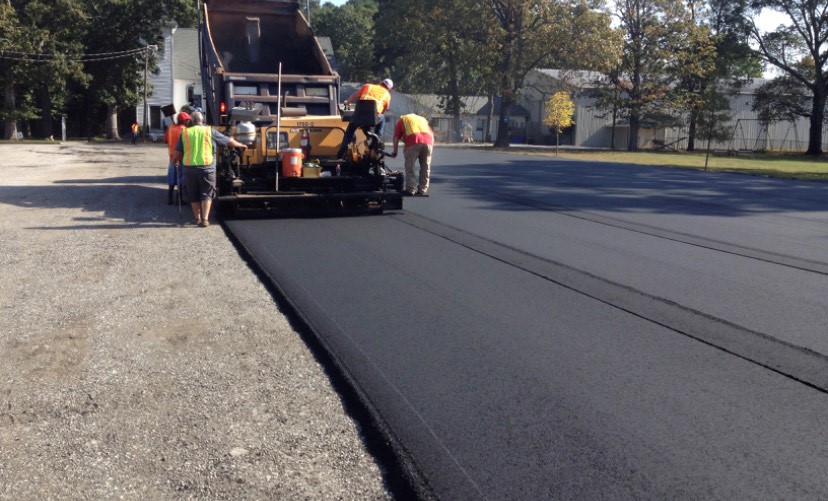
Working with Peter and his crew was a breeze. They were exceptionally polite and did a neat job to repair and seal our driveway. I will definitely talk to them first for additional work.
 Central Paving
Description says they handle window repair including rotten hardwood - they called me back right away but didnâ t leave a voicemail. I followed up 3 days later and they said they donâ t do that kind of work.
 Window-Gurus
They did an excellent job with the repair, took care of all communication with the insurance company and had car rental service also with a very reliable, quality care
 Three C Body Shop
We recently had our office sidewalk repaired and CT Concrete did an "Outstanding" job. They were quick, friendly and the job is "flawless". I would highly recommend CT Concrete for any of your concrete/sidewalk needs.
Mr. Bunting repaired one broken brace (the "sticks" that connect the legs of a chair to make it stronger), and replaced another on two high end antique replica Windsor chairs I own. The one that was replaced required him to turn a new brace on a lathe to be the same as the missing brace would...
From average costs to expert advice, get all the answers you need to get your job done.
Sealing concrete floors, patios, walkways, and driveways can keep them looking fresh for far longer. Let's break down the cost to seal concrete with a pro or on your own.
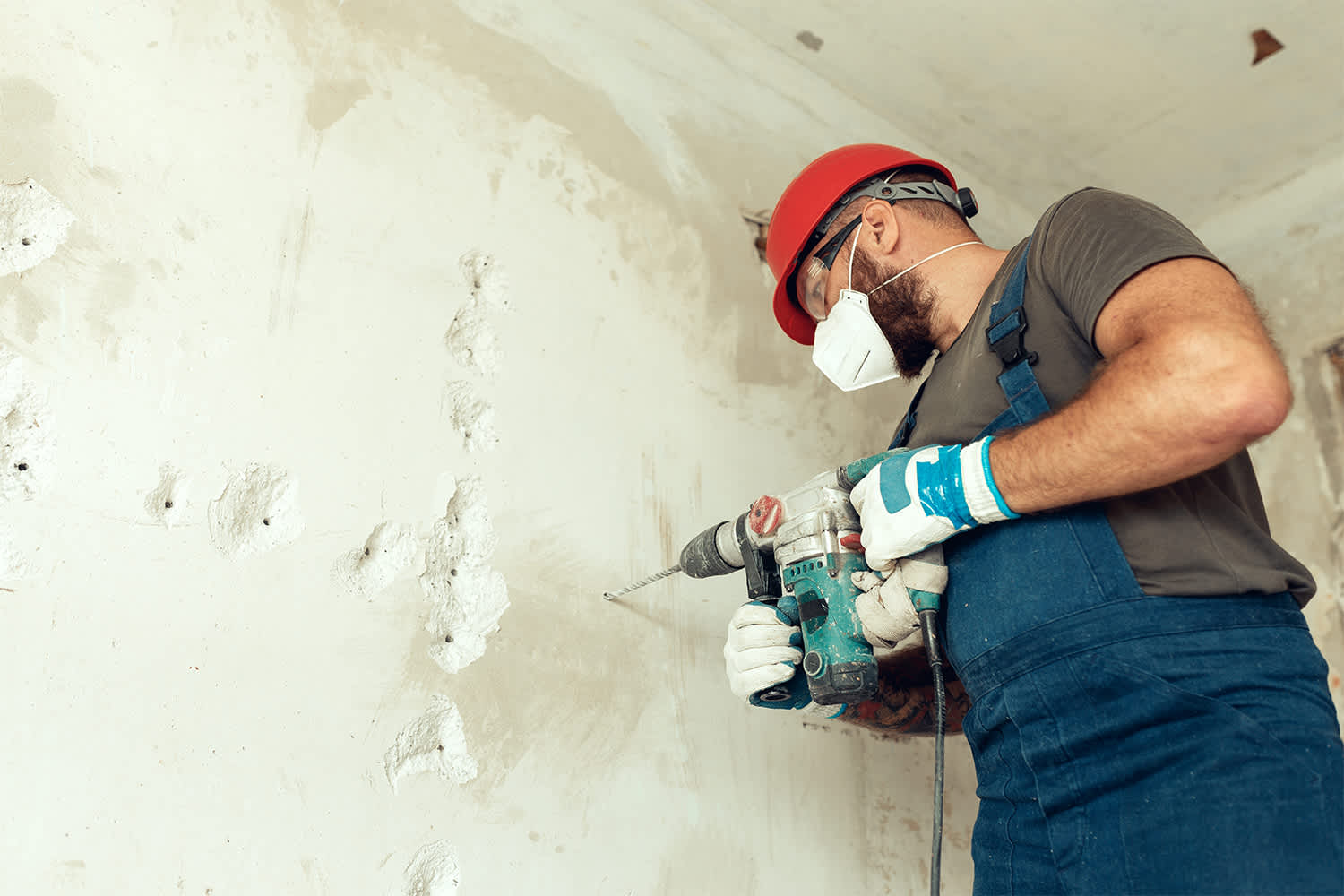
Time to get rid of that old chipped and crumbling walkway? Concrete removal costs can add up, but you have options to simplify the process. Learn more here.
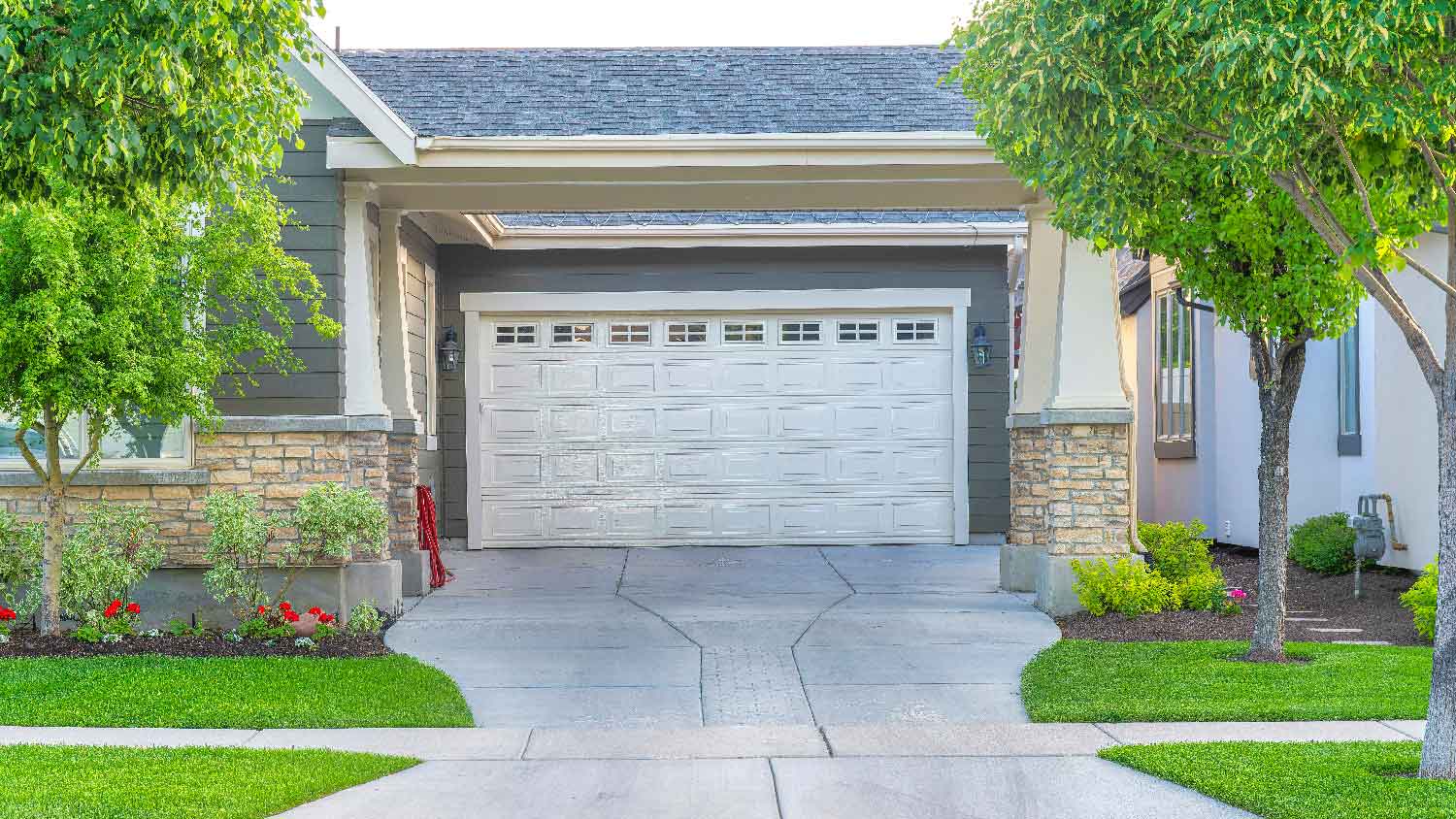
The life span of concrete sealers ranges from six months to 10 years, depending on the type and application.
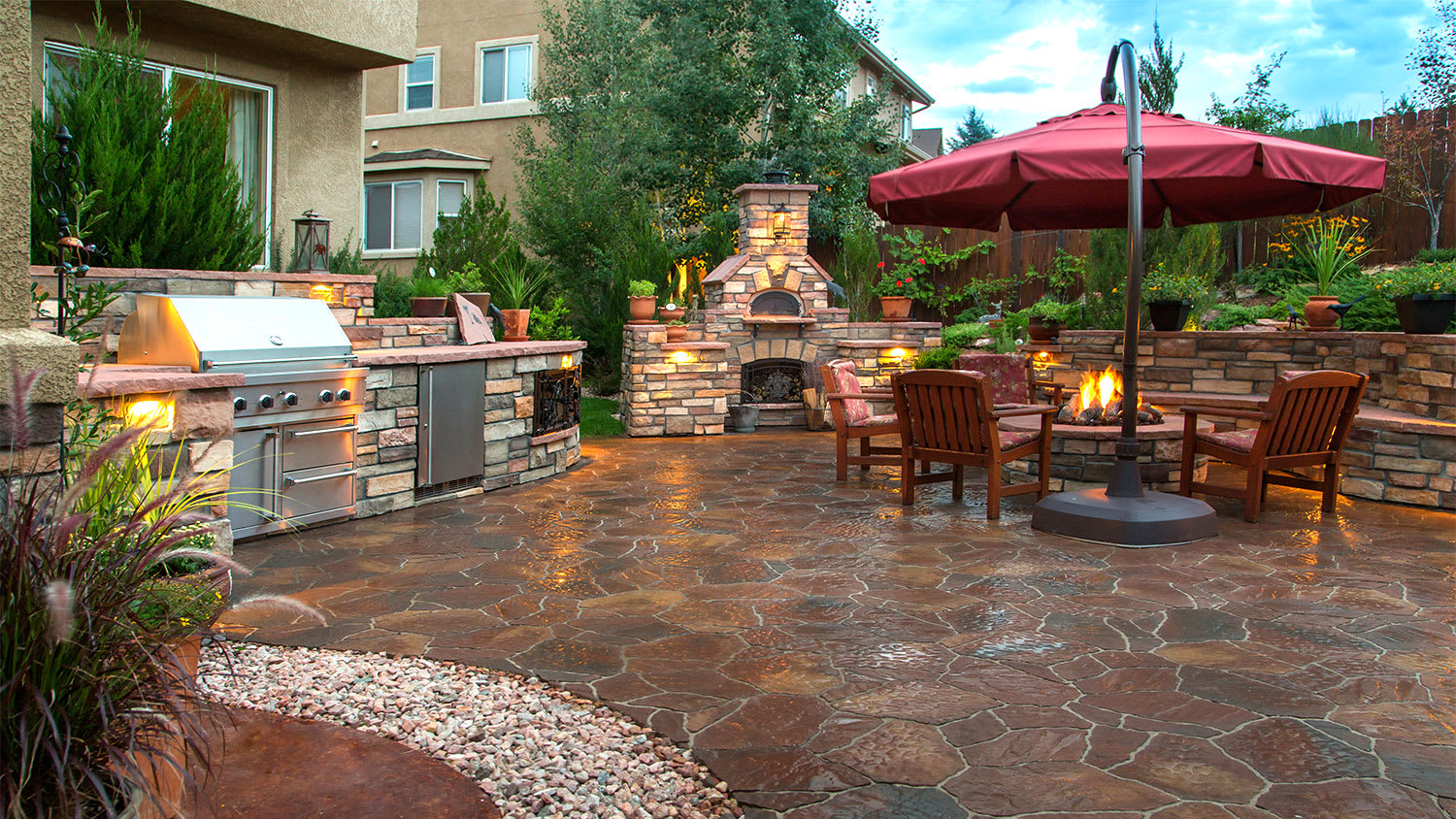
Knowing what types of concrete sealers to use on a driveway or patio can be challenging, but we’re here to help. Learn how they work and which one might be best for you.

Getting rid of old concrete can be challenging, but you can tackle it with the right tools and methods. Learn how to break up concrete and remove it.
Factors like the sealer type, temperature, and humidity all impact drying time. Learn more about how long concrete sealer takes to dry.