


An updated bathtub can give a bathroom a whole new look. Find out how much it costs to replace a bathtub, including prices by type and labor costs.
Kitchen and bathroom remodel costs depend on your project and location. Check with a local pro for your specific job.

Professional bathtub liner installation costs between $2,681 to $10,147, and your average project runs $6,394 based on your bathroom size.
Your liner material choice drives your total, polystyrene costs less upfront but discolors faster than fiberglass or acrylic.
Plan for your old liner removal at $450 to $1,100, plus plumbing repairs for leaking pipes.
Hiring a local plumbing professional prevents trapped moisture between your liner and tub, reducing mold, odors, and health risks.
In 2026, the national average cost to install a bathtub or shower liner is $6,394, based on 4,360 verified projects from Angi Pros. Most homeowners pay between $2,681 and $10,147, with costs varying based on liner material, bathroom size, and the scope of any additional plumbing work. If your project includes extras like custom shelves or specialty tub shapes, costs can reach as high as $15,000, while basic installations can start as low as $499.
The material you choose is the single biggest factor in what you'll pay for a bathtub and shower liner. Budget-friendly options like polystyrene sit at the lower end, while premium materials like acrylic and solid surface push costs higher. Knowing the trade-offs between durability, appearance, and price helps you pick the right fit for your bathroom and budget:
| Wall Surround Material | Average Cost in 2026 |
|---|---|
| Fiberglass | $210–$1,300 |
| Acrylic | $260–$1,600 |
| Solid Surface | $260–$2,000 |
| Vikrell | $270–$1,800 |
| Polystyrene | $90–$300 |
Fiberglass wall surrounds cost $210 to $1,300 and are a strong choice for durability, offering resistance to mold, mildew, scratches, and chips. When you combine a fiberglass surround with a tub liner, the total rises to $510 to $2,300. Fiberglass is one of the more reliable mid-range materials, balancing long-term performance with a manageable price point.
Acrylic wall surrounds cost $260 to $1,600, making them a versatile option across a wide price range. Lower-priced acrylic surrounds tend to be thinner, while higher-priced versions are reinforced with fiberglass for added strength. Combined with a tub liner, the total comes to $560 to $2,600.
Solid surface wall surrounds range from $260 to $2,000 and are made from either an acrylic and plastic composite or a fiberglass and plastic composite. They offer strong durability along with resistance to mold and mildew. Adding a tub liner brings the total to $560 to $3,000, making this one of the higher-cost material options on the list.
Vikrell surrounds cost $270 to $1,800 on their own, or $570 to $2,800 when paired with a tub liner. Vikrell is a durable, nonporous material that resists chipping and cracking, making it especially well-suited for shower applications. Its straightforward installation process also makes it a popular choice for confident DIYers.
Polystyrene is the most budget-friendly surround option, with material costs of $90 to $300 and a combined tub and surround installation ranging from $390 to $1,300. The trade-off is durability—polystyrene is less resilient than other materials and can discolor, dent, and scratch over time. If upfront cost is your primary concern, polystyrene gets the job done, but plan for a shorter lifespan compared to fiberglass or acrylic.

The size of your tub or shower directly affects what you'll pay for a liner installation. Larger tubs require more material and labor, and tub-and-shower combos are the most expensive configuration of all. If you're working with a tight budget, a standard-sized tub liner will always cost less than a combo unit.
When installing a tub or shower liner, it's worth considering new wall surrounds at the same time, since some liners include them and others do not. Tub surrounds cost $1,000 to $2,000, while shower surrounds run $700 to $900 when purchased separately. Bundling the surround with your liner installation can save on labor compared to scheduling it as a separate project.
Hiring a local plumber to install a shower liner costs $500 to $1,500, depending on the size of the job and project complexity. More complex tub or shower configurations require additional skill sets, which drives labor costs toward the higher end of that range. Getting multiple quotes before committing helps you find the best rate for your specific project.
A few additional costs can affect your total liner installation budget beyond the liner and surround themselves. Removal of an existing liner, plumbing repairs, and other prep work can all add to what you pay. Review these potential extras before finalizing your budget so there are no surprises once the project is underway.
Removing an existing tub or shower liner costs $450 to $1,100, and the process is more involved than the installation itself. Because the liner is glued directly to the tub, a bathtub pro must rip or cut it out in pieces until it's fully removed. Budget for this step upfront if your existing liner needs to come out before the new one goes in.
Plumbing repairs are only a cost factor if your tub or shower has underlying issues—such as a leaking pipe or a malfunctioning shower valve—that need to be addressed before the new liner goes in. Completing any necessary repairs before installation prevents more costly problems down the road. Skipping this step and installing a liner over unresolved plumbing issues can lead to damage that far exceeds the original repair cost.
You may be wondering about the differences between bathtub refinishing and bathtub liners. The two processes are very different—refinishing involves reglazing your tub with new layers of epoxy and sealant, and liners are glued onto the tub. Both can cover up bathtub wear and tear and damage like cracks, chips, and scratches.

Liners cost more, as bathtub refinishing costs range between $350 and $650. Also, a refinished tub can last 10 to 15 years, which is considerably longer than the life span of a tub liner. Either way, both of these options allow you to extend the life of your existing tub so you don't have to spend extra money on a brand-new one.
| Refinishing a Bathtub | Installing a Bathtub Liner |
|---|---|
| Reglazing the tub with epoxy and sealant | Gluing a liner onto the tub |
| Less costly | More costly |
| Lasts 10–15 years | Lasts 3–5 years |
Furthermore, both of these options make for challenging DIY projects. In particular, there can be health risks associated with the bathtub refinishing process. So find a shower pro or hire a bathtub refinisher near you for the best results.
If you hire a local shower or bathtub liner pro to install your shower liner, labor will take up 15% to 20% of the total cost, depending on the size, materials, and style. While skipping a professional installation might seem like a worthy cost-saving measure, DIY liners can cause mold issues and lead to costly repairs.
A bathtub or shower liner installation is not an easy project, so here's why you should leave it to the pros:
Improper installations can lead to moisture between the tub or shower and the liner, causing costly mold and mildew issues, bad odors, and health issues.
Installing a new liner requires preparing the surface correctly.
It can be challenging to remove an existing tub or shower liner due to the adhesive that glues the old liner to the surface.
Bathtubs or showers needing plumbing repairs before applying a new liner require a licensed plumber.
Incorrectly installing a new shower or bathtub liner can lead to extra expenses for repairs or replacement parts.
A plumber can address any concerns you have about your bathtub or shower for a more comprehensive bathroom remodel.
If you need additional services, like major structural repairs or plumbing services, then you may need a permit and a licensed plumber to complete the repairs.
If you still want to get in a little DIY work, there are smaller ways you can help your pro, including:
Cleaning the bathtub or shower until all limescale is removed
Measuring the dimensions of your shower or bathtub
Taking care of any mold or mildew before installing a new liner
Repairing cracks, chips, and drainage problems before the installation
Removing the hardware on your tub or shower
Ensuring your new bathtub insert fits the space
Reattaching removed hardware once complete
The best way to save on bath and shower liner installation is to shop around to see which company offers the best deal. Before deciding, check all the details on the included services to ensure the quotes are comparable.
If you're gathering information on large-scale bathroom remodel costs , find out if the company or contractor you hire is willing to make any bundle deals.
Besides that, you can opt for more affordable materials and options to cut back on the final costs. This likely means you'll go with a PVC liner and perhaps forgo a wall surround until later. If you need a wall surround, use polystyrene or a relatively low-cost acrylic or solid surface option.
Be ready to discuss with your pro the best material for your new shower or bathtub liner—fiberglass, acrylic, solid surface, Vikrell, or polystyrene.
Have the measurements of your bathtub or shower area ready for your pro to provide you with an accurate quote.
Be prepared to pay extra for any plumbing or fixture repairs needed before you can install a new liner.
Talk with your pro about whether it’s better to refinish your bathtub or install a new liner.
Consider other bathroom upgrades, like new cabinets, installing a walk-in shower, or installing new faucets.
Home is the most important place on earth, which is why Angi has helped more than 150 million homeowners transform their houses into homes they adore. To help homeowners with their next project, Angi provides readers with the most accurate cost data and upholds strict editorial standards. We’ve surveyed thousands of real Angi customers about their project costs to develop the pricing data you see, so you can make the best decisions for you and your home. We pair this data with research from reputable sources, including the U.S. Bureau of Labor Statistics, academic journals, market studies, and interviews with industry experts—all to ensure our prices reflect real-world projects.
Want to help us improve our cost data? Send us a recent project quote to [email protected]. Quotes and personal information will not be shared publicly.
Jason has helped me with multiple household projects, with the most recent being new door installation. He has always showed up on time and organized and has done an incredible job! Jason is very professional and he's now my go-to for anything around my house that needs to be fixed or...
 Huff Garage Rescue, LLC
Cole has been handling plumbing and general contracting for our four properties over the past three years, and he’s always done a great job. Most recently, he installed a sink and countertop in our retail store where none existed before, and it turned out exactly how we needed. He’s...
 ANB Renovations LLC
1st Choice Renew is simply the best! We hired them for a complete home renovation, and they transformed our space into something truly amazing. The team attention to detail and commitment to quality were evident throughout the project. They were easy to work with, very responsive, and always...
 Save A Dime
This company went above and beyond with their work, chimney sweeps are usually pretty messy, but the clean up was spot on.!! Josh explained every thing that he was doing, and the things that he was checking to make sure the chimney was safe for me and my family. He was very professional,...
 Supreme brick & chimney
Custom Paint Jobs LLC turned our outdated bathroom into a modern masterpiece.
 Custom Paint Jobs, LLC
Excellent customer service and knowledge. I was recommend to him from my neighbour. My front door and window came in great and were installed beautifully perfectly, I m very satisfied with their excellent work, so decided to order one more big bow window for my living room. I cant wait for...
 Window Depot USA of Central Ohio
If I could give 10 stars for Kitchen Tune Up, I would. I cannot say enough good things about my experience with Kitchen Tune Up and the entire team involved in the process of my kitchen project. They went above and beyond as far as service and quality with my cabinets, paint, countertops, and...
It was wonderful working with Yordy and his team. They were very professional and are experts in what they do. They have completed the work on time, with better quality and with in fairly reasonable price. We just started with backsplash work , but liking his work, we went on to provide...
 Flooring Solutions
We were having 2”x 2” tile installed . There was a small installation error and the new additional replacement tile was from a different lot and the colors didn’t match. Joe assured us that he would rectify everything , which he did without hesitation. We decided to go with the 18” x 36” tile...
 CarifaTile
They work that 360 did on my kitchen cabinets is nothing short of amazing. I still cannot believe the difference from before and after. Jon and Jeff were both so incredibly professional throughout the whole process and their communications with me were constant and consistent. These guys...
 360 Painting Columbus
From average costs to expert advice, get all the answers you need to get your job done.
An updated bathtub can give a bathroom a whole new look. Find out how much it costs to replace a bathtub, including prices by type and labor costs.
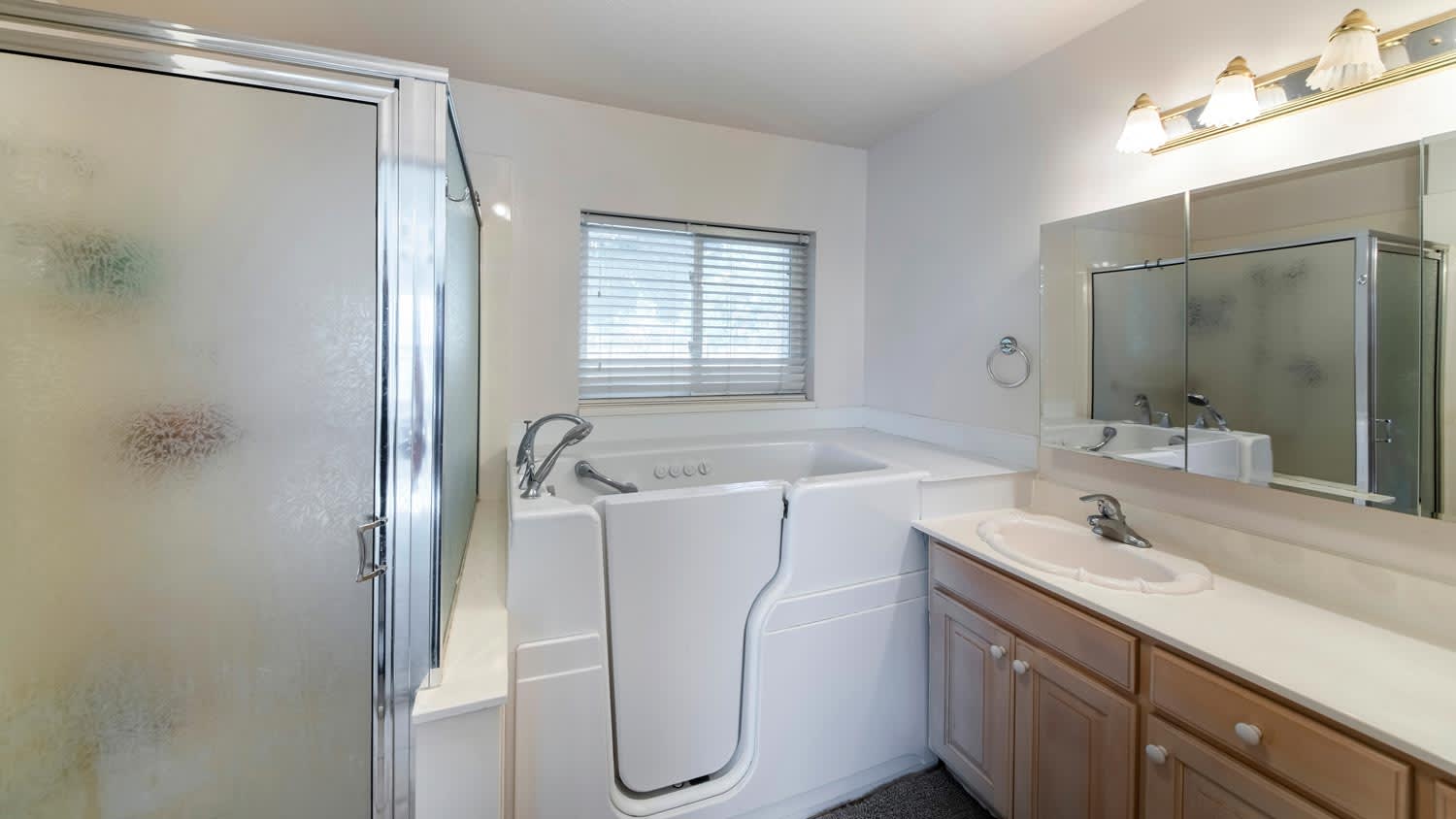
Discover the average walk-in bathtub installation cost, key price factors, and ways to save. Get expert tips to plan your walk-in tub project with confidence.
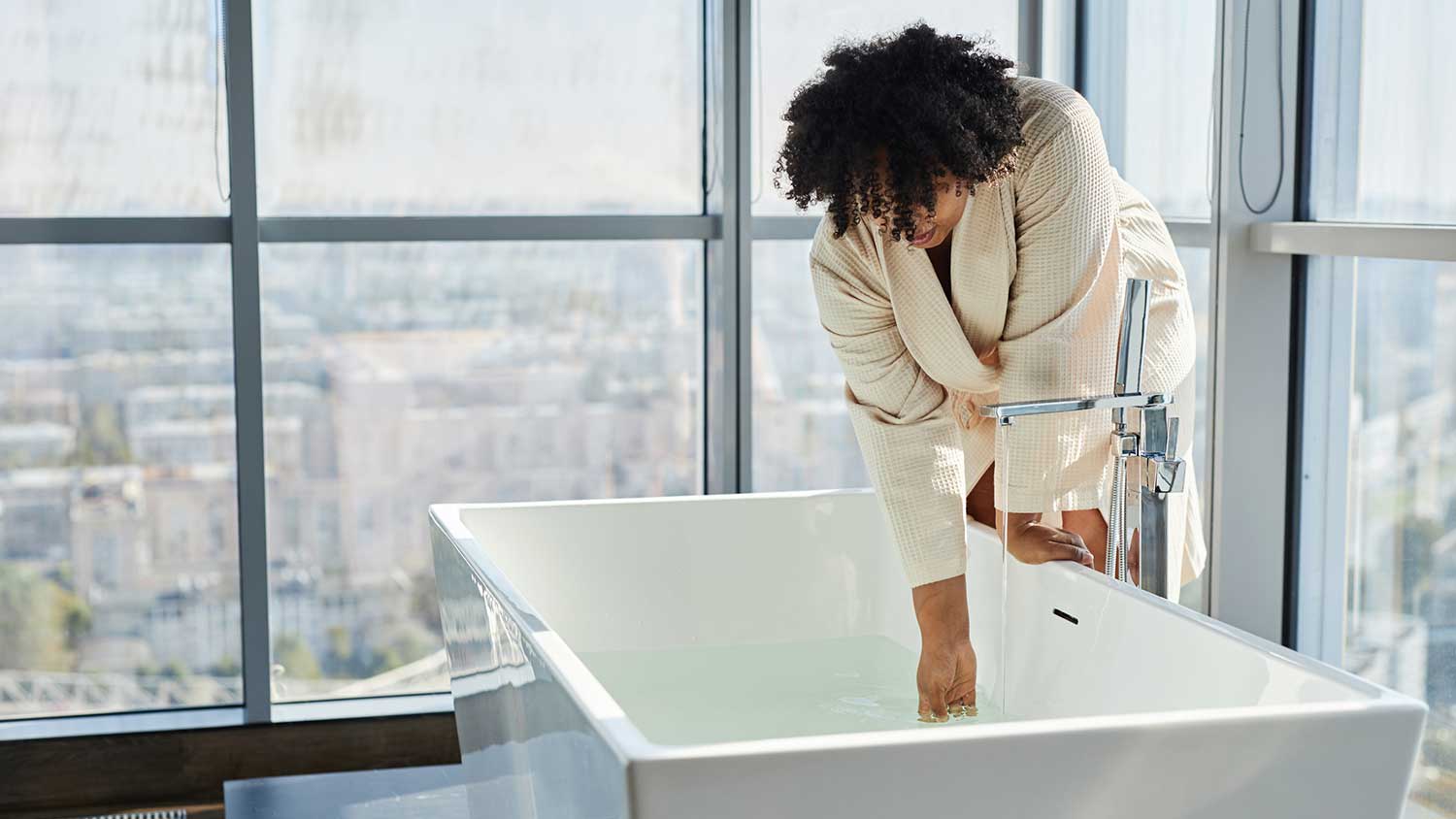
Most homeowners will eventually need to replace bathroom hardware. This guide breaks down bathtub faucet installation costs, so you can upgrade your bathroom.
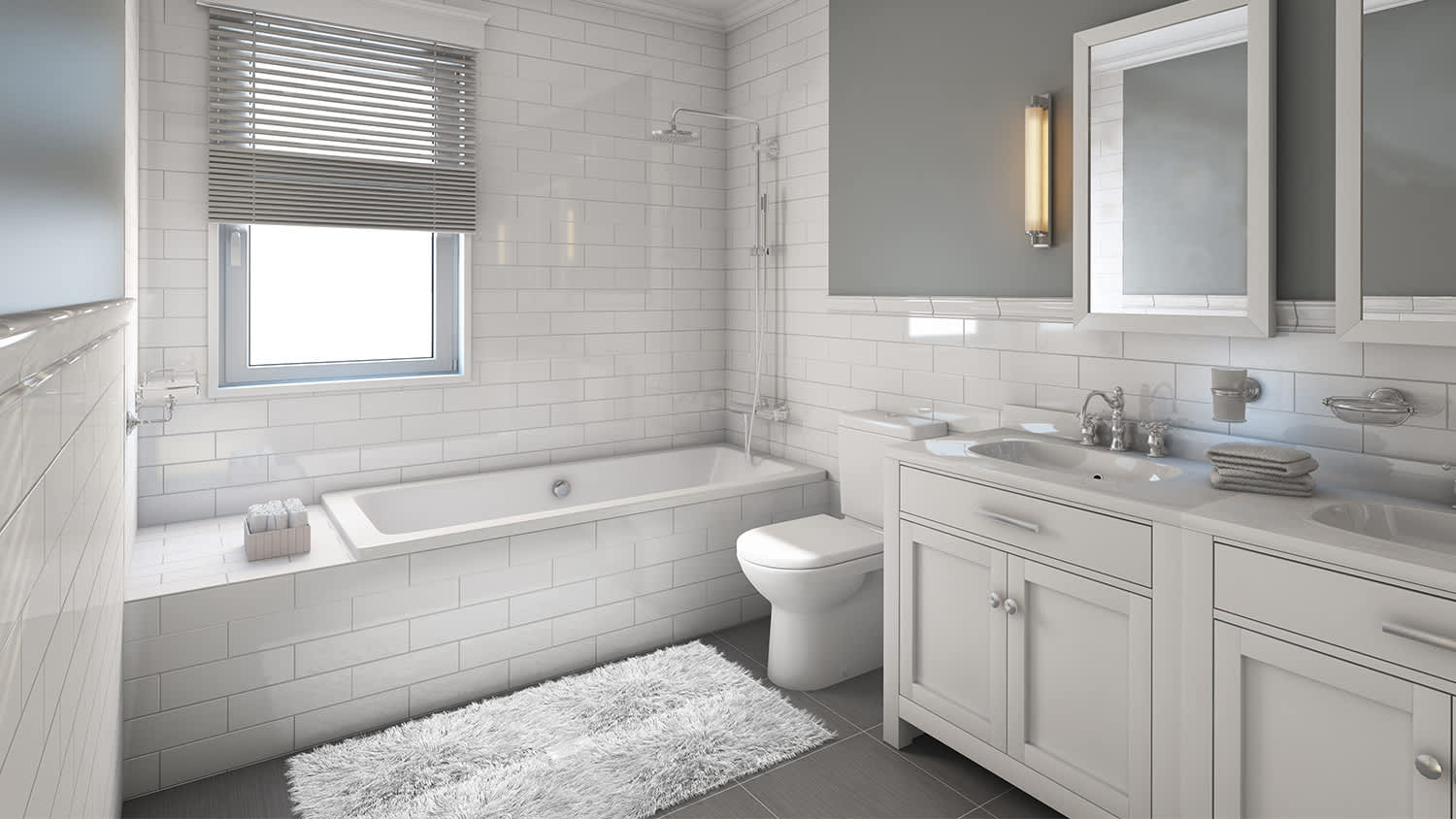
Replacing a bathtub is expensive and complicated. Save time and money by choosing a bathtub liner. Learn how to install a bathtub liner in just a few steps.
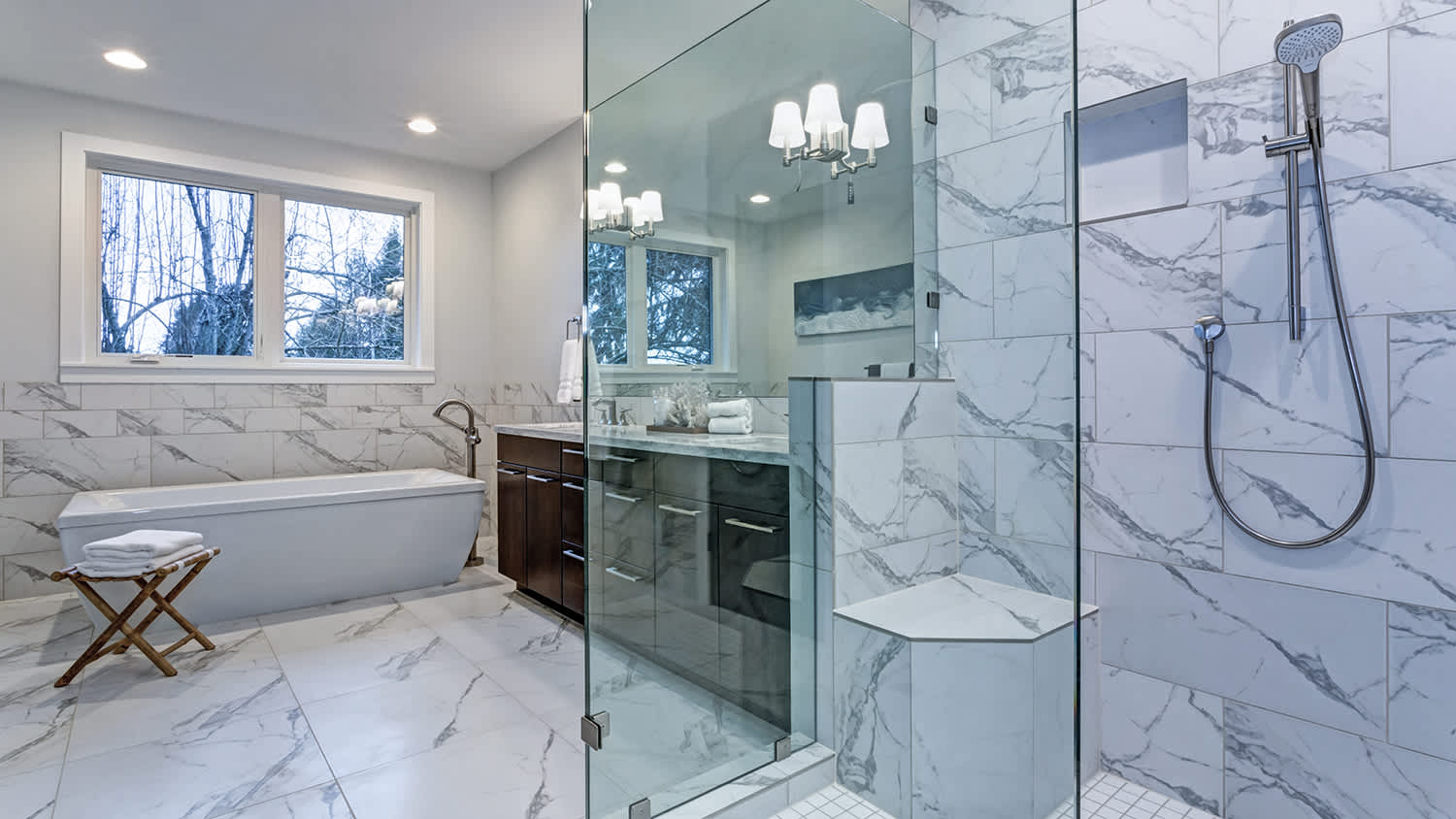
We consider all the pros and cons of a tub and a shower to help you pick the best option for your bathroom remodel, including the best choices for ROI and water efficiency.
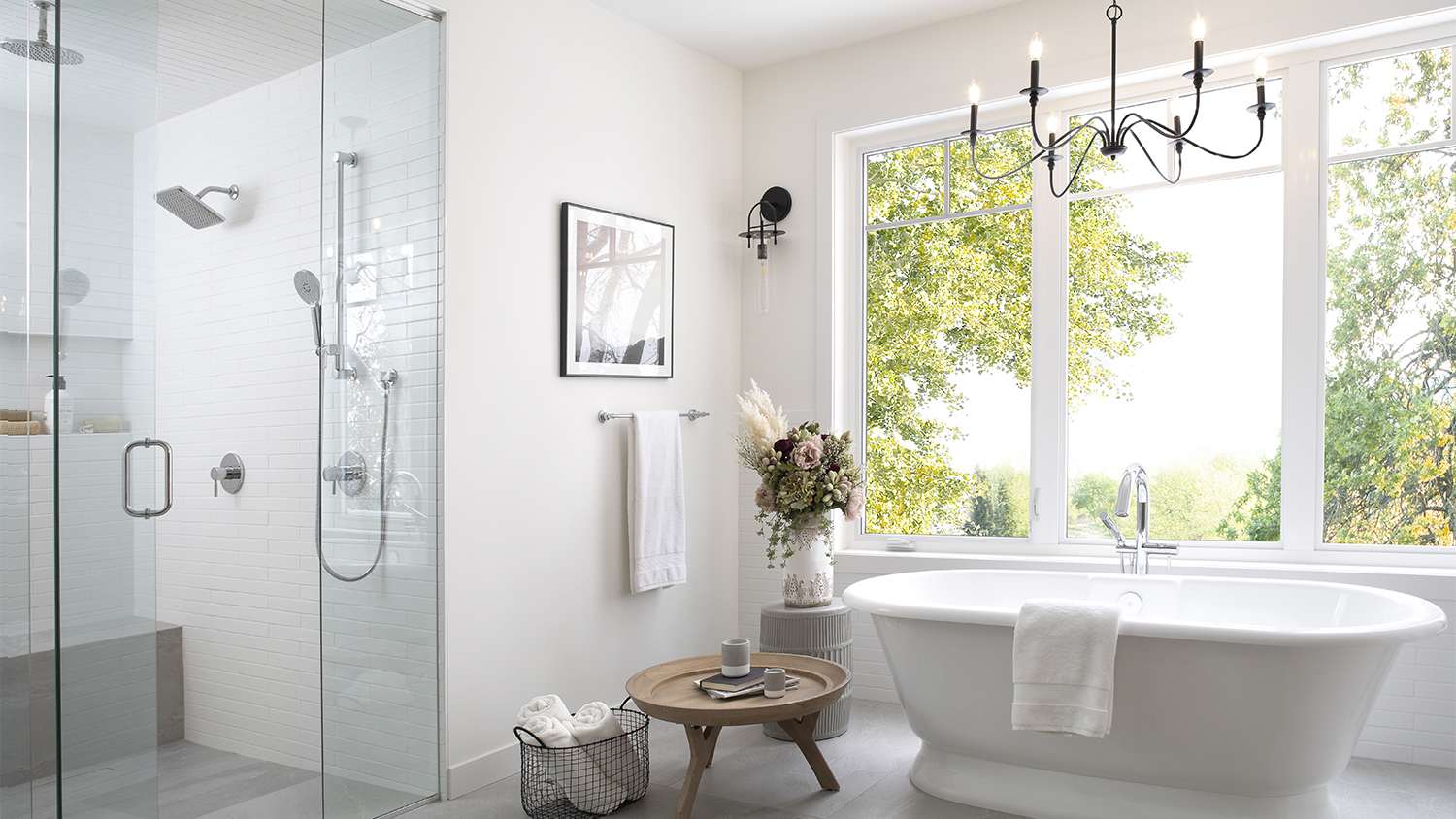
Expand your DIY skills by learning how to install a bathtub in your existing bathroom and how to remove an old tub. Follow these steps to get started.