
Looking for home gardening inspiration? Check out advice from nine gardening influencers on how to grow a healthy garden and have fun along the way.
Whether it's for pies, purees, or prize-winning, you can grow impressive pumpkins with minimal effort

Growing pumpkins requires a long, frost-free season with at least 6 hours of daily sun, so your plants get the warmth and light they need.
You'll need 50 to 100 square feet per vining pumpkin plant, with hills spaced about 6 feet apart to give roots and vines room to spread.
Mix organic matter like compost or manure into your soil at planting, then switch to high-phosphorus fertilizer once fruit begins forming to support strong development.
Hiring a local gardening professional takes the guesswork out of soil preparation, fertilization timing, and vine management for a successful harvest.
Known for their association with Halloween as jack-o’-lanterns, these squash varieties are easy-to-cultivate and super nutritious. Learn how to grow and care for pumpkin plants with this useful guide.
Pumpkins are wholesome seed-filled squash that are part of the cucurbit vining plant family, along with cucumbers, melons, and other gourds. While these iconic fruits are widely available in the United States, especially during fall, you can easily grow these tender annuals in your backyard, provided you have the space and the right climate.
They come in various shapes, sizes, and tastes, so you’re bound to find a pumpkin plant that’s a good match for you and your yard. Plus, their lovely, bright orange (or yellow) flowers are perfect for attracting pollinators.

Pumpkins need a long, frost-free growing season and plenty of undisturbed space. Plant them in a sunny spot at the edge of your yard so you can direct vine growing varieties across the length of the garden boundary or up a trellis if they aren’t too big. When planning your planting calendar, be aware that in colder northern regions, you’ll need to plant them by the end of May, and in hotter southern states by early July.
Keep pumpkins away from tomatoes or potatoes, as they don’t grow well alongside members of the nightshade family. And wait at least two years before planting in areas where you’ve been growing other cucurbit species to reduce the risk of disease.
Pumpkins need at least 6 hours of sun a day. With 8 to 10 hours a day, they should thrive.
Although they can tolerate short periods of dryness, it’s best to water these thirsty plants deeply during hot, dry summers and when the flowers and fruit set. Avoid soaking the foliage and fruit as this can lead to rot and powdery mildew. Mulching helps conserve water and inhibit weed growth and pests. When the fruit begins to ripen, reduce watering—they don’t like soggy conditions.
Pumpkins grow in most soil types, although they aren’t fans of highly acidic pH levels, and they’ll appreciate organic matter to loosen things up in heavy soils. The one thing they do need is soil that drains well to prevent waterlogging.
Ensure there’s no danger of a late cold snap when you plant frost-tender pumpkins. The ideal soil temperatures are between 65 and 95 degrees Fahrenheit.
These greedy gourds have an extensive root system and need lots of nourishment to thrive. Mix plenty of organic matter, like a homemade compost or manure, into the soil at planting. High nitrogen fertilizers help during early leafy plant growth and encourage strong vines. High phosphorus and potassium levels work better to promote fruit production and strong root development. Testing your soil establishes nutrient levels in the soil and helps prevent over-fertilization, excessive vine growth, and split pumpkins.
If the soil is warm enough, it’s possible to grow pumpkins from seed outdoors. In regions with a short growing season, start them indoors two to four weeks before the last expected frost and harden off the seedlings before transplanting them when soil temperatures are warm enough.
Growing pumpkins in hills (groups of clustered seeds) rather than rows has multiple advantages. Seeds germinate more quickly as the soil warms faster, and drainage and pest control are typically better. The hills can be level to the ground or slightly mounded to further aid drainage.
Each hill should contain around five seeds sown about an inch deep. Standard vining pumpkins need about 50 to 100 square feet of overall space, and hills should be about 6 feet apart.
Keep the soil moist and thin plants to two or three per hill when they have their second set of leaves and are around 3 inches high.
Once your pumpkins reach around 8 inches, thin down your hill further to keep the biggest, fastest-growing gourd. Pinch off any new blossoms and prune the vines, so all the nutrients go into the existing fruit. Putting a piece of cardboard under heavy pumpkins helps to prevent bottom rot.
Depending on the variety, it takes 70 to 120 days before your pumpkin will be ready to harvest. Gently turning the fruit helps produce an even shape. If the pumpkin sounds hollow when you knock it on the side and is an even color, it’s a sign it’s ripe. This is usually sometimes in September or October, before frosts arrive. Cut it off the vine with around 3 inches of stalk to lengthen the fruit's life after harvesting.
Unless you’re putting it straight into a pie, curing the pumpkin in the sun for a week or two after removing it from the stalk also helps to lengthen its life. You should then be able to store in a cool, dry space for up to ten months.
Custom Paint Jobs LLC made our home feel like a piece of art. Thank you for your creativity!
 Custom Paint Jobs, LLC
Window Depot did an amazing job on my deck. I wasnt sure what I wanted to do, but their composite decking was affordable and will last a long time. I am excited to have family over, and I am no longer embarrassed by my backyard. Jeff and the ground crew were polite, respectful, and caring for...
 Window Depot USA of Central Ohio
First of all, the gentleman I dealt with (Cam?) was very responsive to my many questions and concerns throughout the project, which is a huge plus to me. From the first time I met him for the estimate all the way til the completion of the job, he and his crew were professional and respectful....
 All Star Paving and Sealing
We had a 20+ year old landscape lighting system that needed replacement. Midwest Lightscapes worked with us to design a much improved lighting system, lighting the exterior of the house and the back yard. Installation of the 45 light system took one and one-half days, and went very smoothly....
 Midwest Lightscapes
Another great success for me on home advisor. This company did an awesome job on my landscaping and stayed within my budget. The best part, the work was complete within 2 days of my initial request. Professional and responsive. I highly recommend!
 Blue Ring Residential Services, LLC
The company no showed on me twice. The 2nd time was no call no show. They were responsive to set up the first appointment to perform the "landscape cleanup". 3 hours after their initial scheduled appointment time they called me to let me know they had some "problem" with the truck and their...
 Ruby Home and Hauling Services
Received ideas for future landscape plans...quote to do the work seemed a bit high but I did not have any other quotes to compare it to, so perhaps that is the going rates. <br />
 Landscapes By Terra, Inc
All around they have done a really great job. <br /> I have used JL Landscapes for the past 8 years. I own and operate my own commercial/residential real estate company where we own, operate, and maintain our own properties. JL Landscapes has been our exclusive landscaper for both our...
 J.L. Landscapes
Bought a half a cord of firewood from Pitzer with stacking last month. I waited to report so I could see how the wood burned. <br /> <br /> I have three pet peeves regarding landscapers, but Pitzer scored "A"s regarding all three. First, rather than having customers "leave a message" and...
 Pitzer Landscaping
I left a message on Sunday requesting to schedule a time to obtain an estimate/walk-through and received a return call in the morning of the following Monday. Mark worked with me and agreed to schedule the estimate/walk-through for the following Saturday. When Mark arrived for the...
From average costs to expert advice, get all the answers you need to get your job done.
Looking for home gardening inspiration? Check out advice from nine gardening influencers on how to grow a healthy garden and have fun along the way.
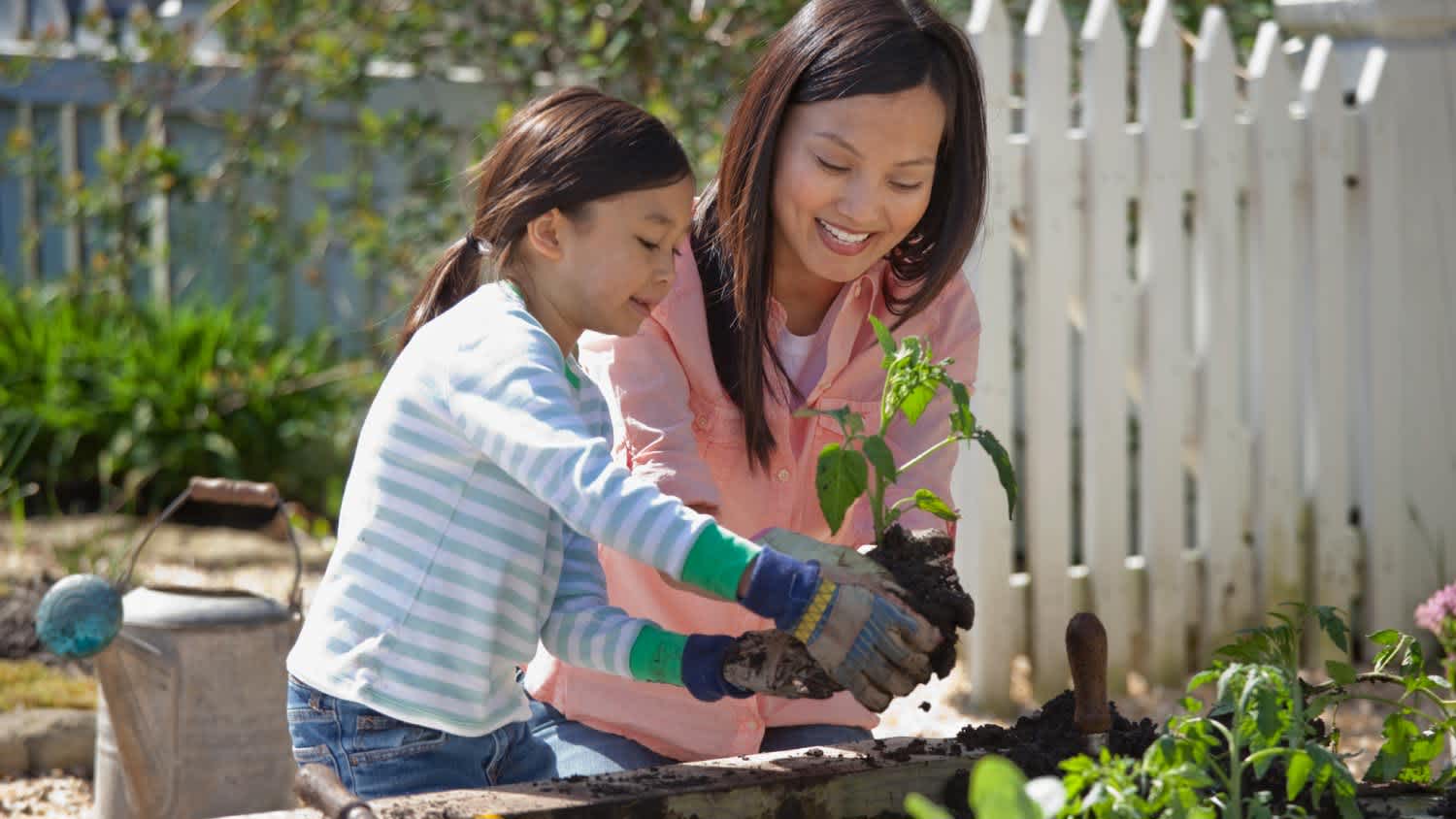
Gardening is about far more than a beautiful yard. Our beginner's gardening guide can help you extend your love of plants to the backyard and beyond.
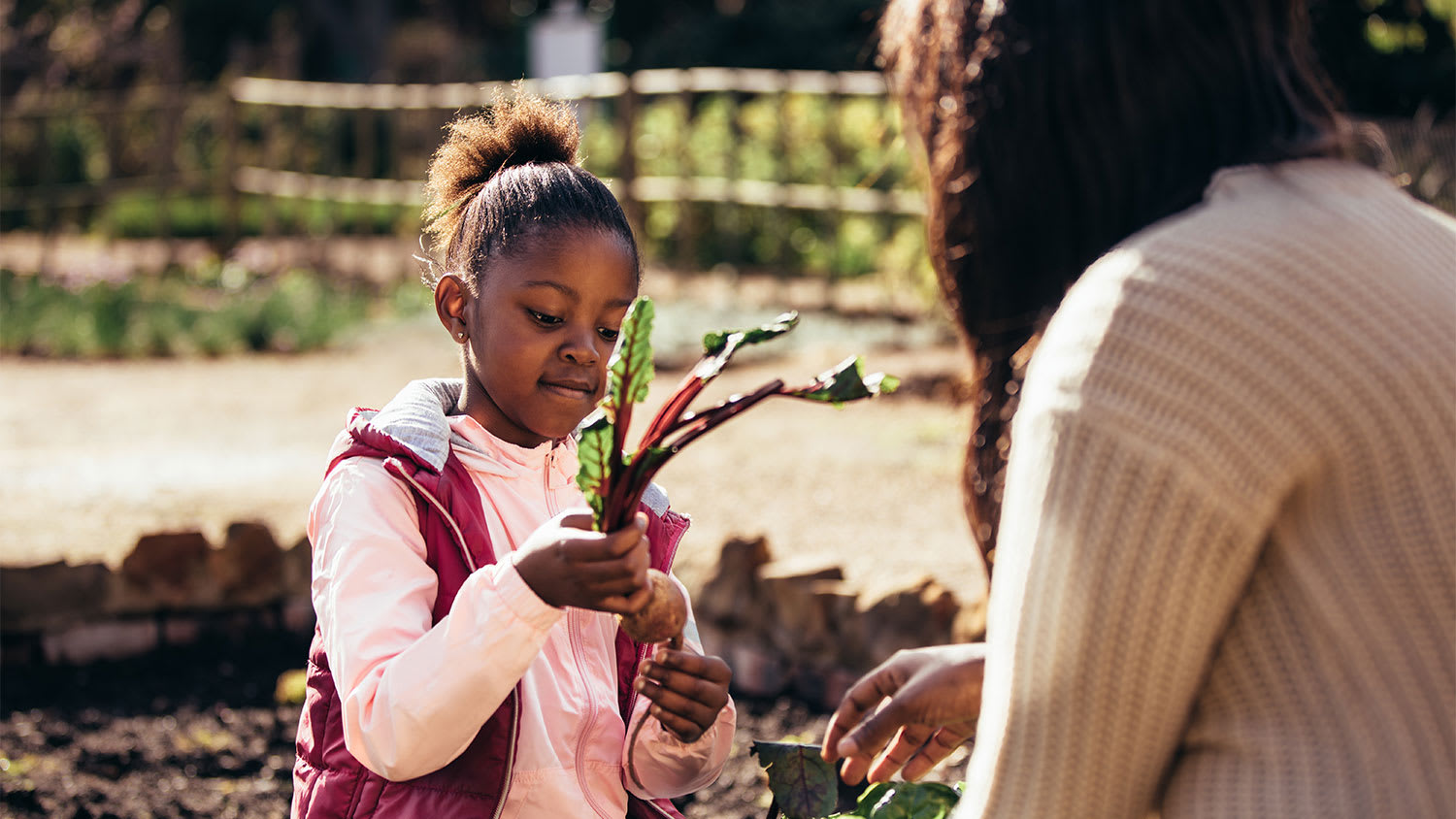
Knowing how to plant a vegetable garden can seem daunting if you weren’t born with a green thumb. Luckily, you just need a little know-how, water, and sunshine.
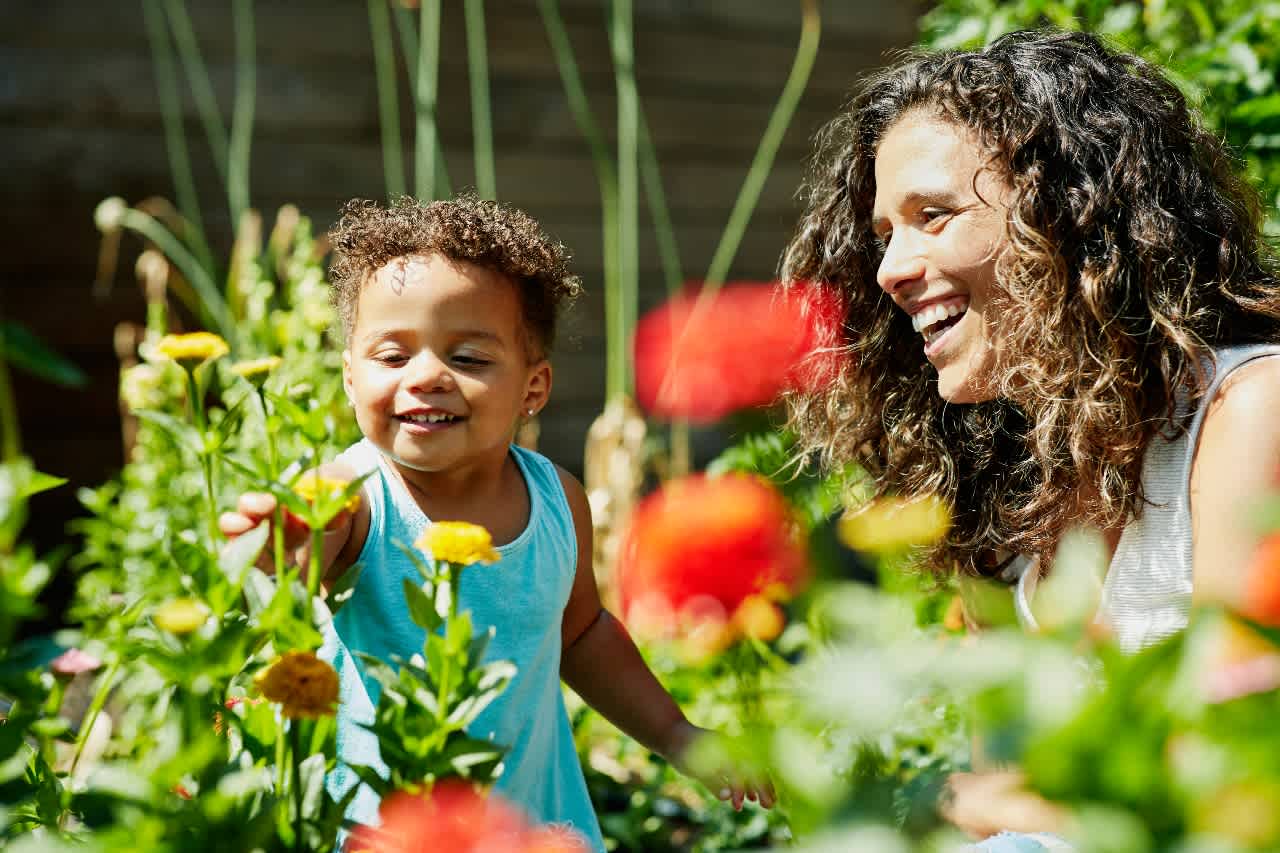
If you started gardening during the pandemic, now's the perfect time to build on that foundation and turn your garden into a bountiful food source for you and your family.
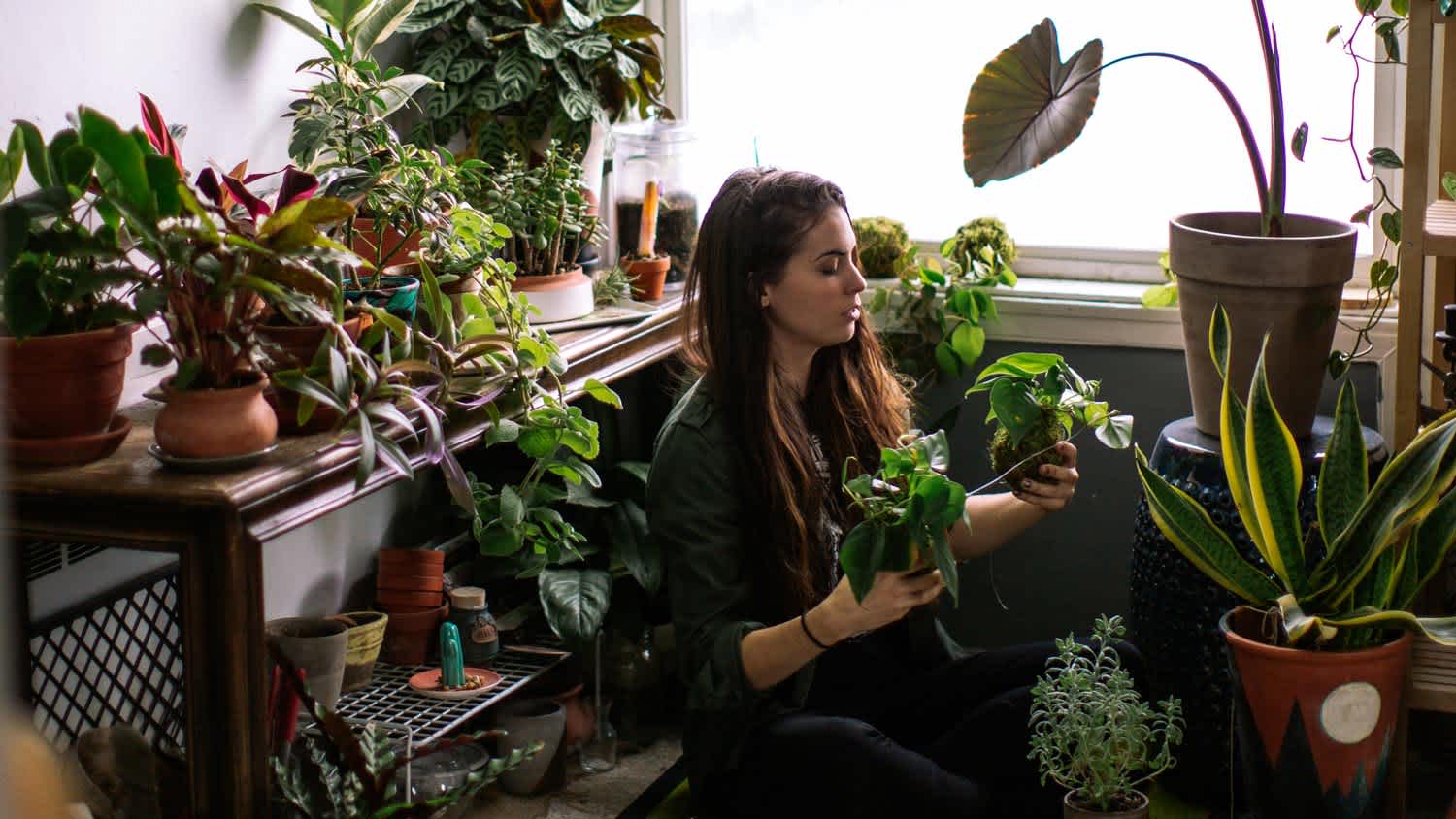
Design a garden-ready grow room to create the right conditions for growing plants indoors, including your vegetable seedlings and fully-grown houseplants.
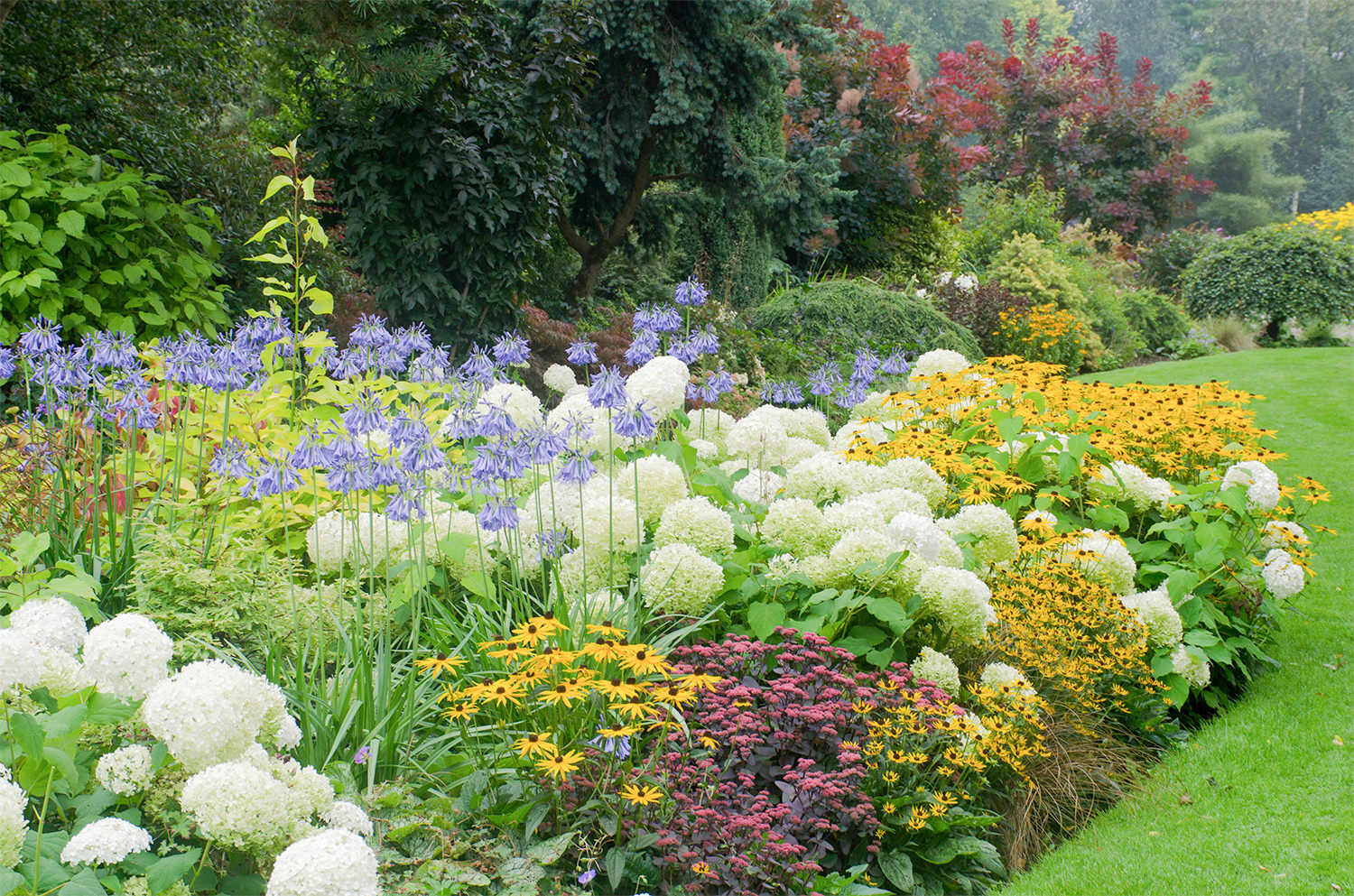
Learning how to plan a perennial garden can transform your yard into a dream escape that comes back year after year. These 15 tips can help you get started.