
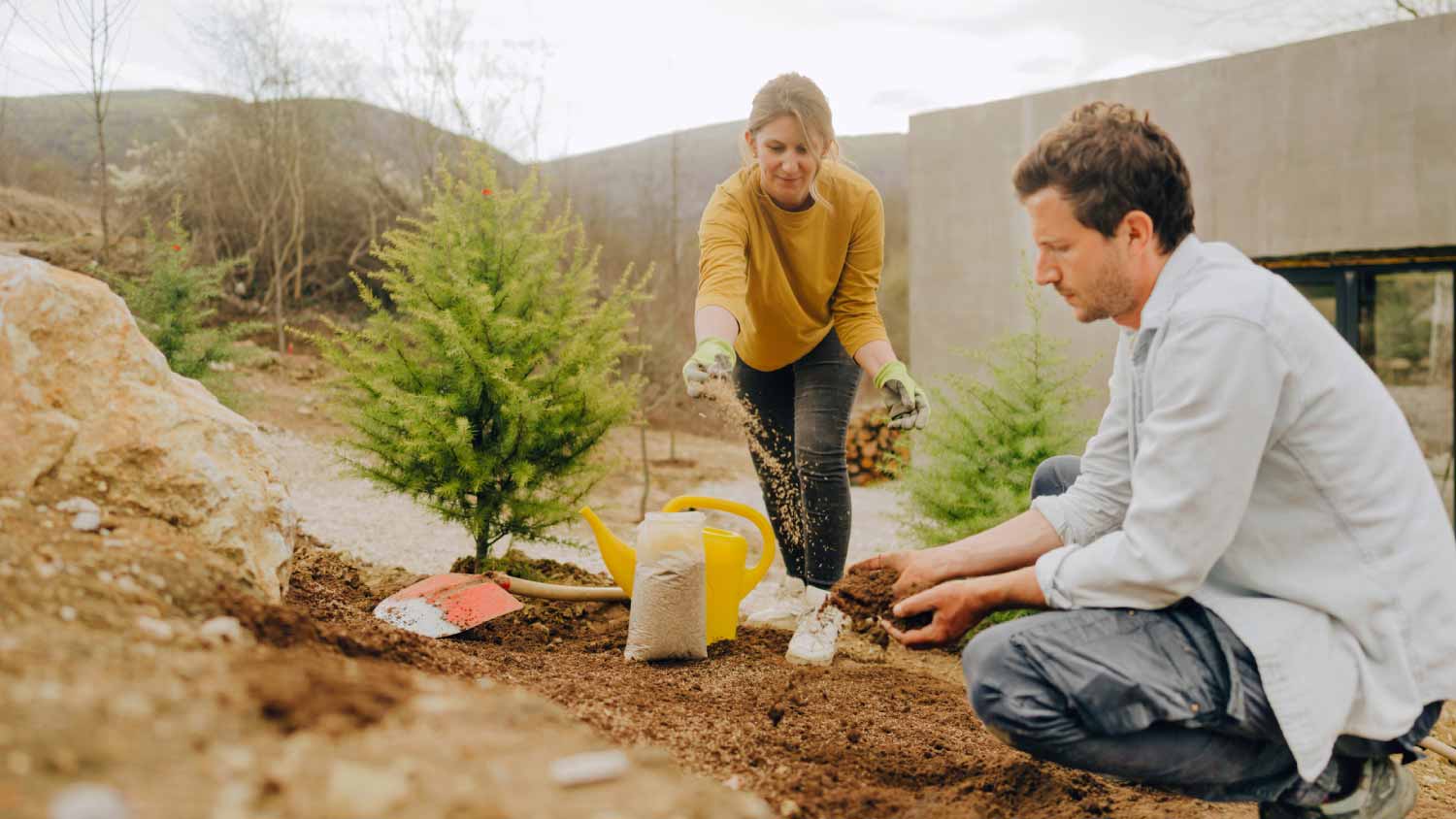
The best time to plant grass seed depends on the type of grass and your area’s local climate. Find out the ideal planting time for new grass seed.
Tiptoe through the tulips by knowing exactly when to plant everything in your home garden

Your planting calendar depends on your USDA hardiness zone and frost dates, which determine when each species thrives in your specific climate and temperature range.
Perennials take weeks or months to establish roots, so you should plant them before, near, or just after your last frost to give them time to settle.
Starting seeds indoors protects delicate plants like tomatoes and peppers from unexpected frosts, giving them a head start before you transfer them outdoors after the last freeze.
Hiring a local gardening professional takes the guesswork out of planting schedules and frost timing, helping your garden thrive from seedlings to harvest without missing critical windows.
Home gardeners spend the winter daydreaming about that last frost when seedlings can come out of their indoor retreats and head outdoors. Mapping out a planting calendar is one of the most important steps to ensure you grow healthy garden plants. Not only will the right planting schedule help your garden thrive, but it will also time out the perfect harvest for your end-of-summer and fall recipes. All you have to do is follow these fall gardening tips and tasks and you’re good to go.
Every species of fruit, flower, veggie, tree, and herb has its preferred growing schedule and environment. But before you get overwhelmed by their range of needs and personalities, check out this equation for figuring out when to plant them in the ground or inside.
On a very basic level, a seed's planting schedule comes down to your hardiness zone, your first and last frost date, and the tips for watering and pruning on your seed packets.
The USDA hardiness zone map is a gardener's best bud. The map breaks each region into categories by its coldest winter temperature. Each plant then notes its preferred hardiness zones. In the United States, you'll mainly find zones 3 to 11, with 3 up in the tip of North Dakota and 11 way down in the Florida Keys.
Remember that microclimate factors will not show up on the map. So, if you live at a high elevation, next to Lake Erie, or in a densely shaded yard, your planting preferences may differ slightly.
The National Weather Service also maps out the year’s first and last frost dates, typically in a prediction window of one to two weeks.
Why are frost dates so important? A frost can either send a plant into its dormant stage or wipe it out for good. Some bulbs go in before the first frost of the winter season, while others should come out of the ground and head indoors.
Knowing your earliest frost date is also crucial for scheduling your fruit and vegetable harvest. If your eggplant takes 90 dates to mature, you don't want to leave it for late summer. But let's not get too ahead of ourselves. Get those frost dates on your planting calendar and check out the best plants for your area.
Now that you're a pro at reading hardiness zones and frost info, you'll understand the back of your seed packets and the instructions that come with seedlings or potted plants.
Each variety will list a range of hardiness zones suitable for growth. Sure, we know that orange trees won't thrive in Maine and Florida isn't the land of the artichoke, but we need these guides to figure out everything in between.

Hardiness zones and frost dates relate to outdoor planting, but what about starting seedlings indoors in a controlled environment? Plants with slow root growth that can easily wither in an unexpected frost can get their start inside. You can easily plant herbs or grow food in small spaces.
Yet again, this widely varies depending on the plant species, where you live, and your gardening preferences. Starting tomatoes early can keep them safe in those delicate, early days and speed up when you can make Panzanella. Other plants, such as cucumbers, squash, and most root veggies, don't like to be jostled, so it's best to start them outdoors in their appropriate season.

As you get to know your favorite flowers, herbs, veggies, and tree species, you'll start to notice the similarities between their preferences. Hearty root vegetables like carrots, lettuce, and some potatoes can head into the ground before the final frost—again, depending on where you live. Other plants like perennial shrubs or flowers may prefer to head into the ground in the late fall or winter to have time to take root. Let's look at some common categories.
Most perennial flowers—perennials come back more than two years in a row—prefer a plant date before, close to, or just after your frost. When started from seed, they may need several weeks, if not months, to settle roots into the soil.
Before the first frost: Tulip bulbs, Ranunculus bulbs, Iris bulbs, Peony roots
1–2 weeks before last frost: Daisies, Dianthus, Delphinium, Violas
On last frost date: Catmint, Columbine, Helianthus, Hollyhocks
1–2 weeks after last frost: Foxglove, Hibiscus, Milkweed, Phlox
You can also start seeds planted around the last frost date indoors 6–10 weeks beforehand.
Annual flowers take less time to sprout and bloom but can still take six to eight weeks to mature. They don’t typically take as long as perennials since they grow quickly and die out by the first frost. Purchase these seeds or seedlings each year for your flower garden or containers, or start seeds indoors several weeks before transfer.
1–2 weeks before last frost: Alyssum, Calendula, Annual Delphinium
On last frost date: Aster, Celosia, Marigolds, Snapdragons
1–2 weeks after last frost: Impatiens, Morning Glories, Sunflowers
You can also start seeds planted around the last frost date indoors 3–10 weeks beforehand.
As we noted above, a handful of veggies and herbs enjoy an indoor headstart in a backyard vegetable garden. Some are so hardy that they can head into the ground before your final frost, while others prefer warm, soft ground without the risk of another freeze. Remember to check your hardiness zone for each type of veggie, as they can depending on their variety.
2–5 weeks before last frost: Beets, Broccoli, Carrots, Chives, Dill, Lemon Balm
0–3 weeks after last frost: Cabbage, Cucumbers, Melons, Potato tubers, Sorrel, Sweet Cicely
Anytime after last frost (often started indoors): Beans, Tomatoes, Peppers, Basil, Cilantro, Oregano
Start some vegetables indoors 2–8 weeks beforehand, depending on instructions and your local climate.
Planting a container and root-bound tree is a bit trickier. Always begin by checking the tree's ideal hardiness zone and your frost dates like usual. Speak with your local nursery about the specific species and its care.
Overall, you should give your tree the best chance of survival by ensuring its roots have time to take hold before extreme weather. Plant it too close to the first frost, and it could dry out, too close to the summer, and it may heat up too fast. The goal is to avoid shocking your tree in its new home; picking the correct date and root preparation is also key.
This bird's-eye-view of choosing the best planting schedule should arm you with the knowledge to create a planting calendar. Your calendar may include:
When to purchase seeds, bulbs, or seedlings
First and last frost dates
When to start seeds indoors
When to transfer plants outdoors
Ideal harvest season
Not only will a calendar cut out the guesswork when managing your vegetable garden, but it will also help you alert your local gardeners of pruning, watering, and harvesting schedules if you head out for vacation.
Custom Paint Jobs LLC made our home feel like a piece of art. Thank you for your creativity!
 Custom Paint Jobs, LLC
Window Depot did an amazing job on my deck. I wasnt sure what I wanted to do, but their composite decking was affordable and will last a long time. I am excited to have family over, and I am no longer embarrassed by my backyard. Jeff and the ground crew were polite, respectful, and caring for...
 Window Depot USA of Central Ohio
First of all, the gentleman I dealt with (Cam?) was very responsive to my many questions and concerns throughout the project, which is a huge plus to me. From the first time I met him for the estimate all the way til the completion of the job, he and his crew were professional and respectful....
 All Star Paving and Sealing
We had a 20+ year old landscape lighting system that needed replacement. Midwest Lightscapes worked with us to design a much improved lighting system, lighting the exterior of the house and the back yard. Installation of the 45 light system took one and one-half days, and went very smoothly....
 Midwest Lightscapes
Another great success for me on home advisor. This company did an awesome job on my landscaping and stayed within my budget. The best part, the work was complete within 2 days of my initial request. Professional and responsive. I highly recommend!
 Blue Ring Residential Services, LLC
The company no showed on me twice. The 2nd time was no call no show. They were responsive to set up the first appointment to perform the "landscape cleanup". 3 hours after their initial scheduled appointment time they called me to let me know they had some "problem" with the truck and their...
 Ruby Home and Hauling Services
Received ideas for future landscape plans...quote to do the work seemed a bit high but I did not have any other quotes to compare it to, so perhaps that is the going rates. <br />
 Landscapes By Terra, Inc
All around they have done a really great job. <br /> I have used JL Landscapes for the past 8 years. I own and operate my own commercial/residential real estate company where we own, operate, and maintain our own properties. JL Landscapes has been our exclusive landscaper for both our...
 J.L. Landscapes
Bought a half a cord of firewood from Pitzer with stacking last month. I waited to report so I could see how the wood burned. <br /> <br /> I have three pet peeves regarding landscapers, but Pitzer scored "A"s regarding all three. First, rather than having customers "leave a message" and...
 Pitzer Landscaping
I left a message on Sunday requesting to schedule a time to obtain an estimate/walk-through and received a return call in the morning of the following Monday. Mark worked with me and agreed to schedule the estimate/walk-through for the following Saturday. When Mark arrived for the...
From average costs to expert advice, get all the answers you need to get your job done.
The best time to plant grass seed depends on the type of grass and your area’s local climate. Find out the ideal planting time for new grass seed.
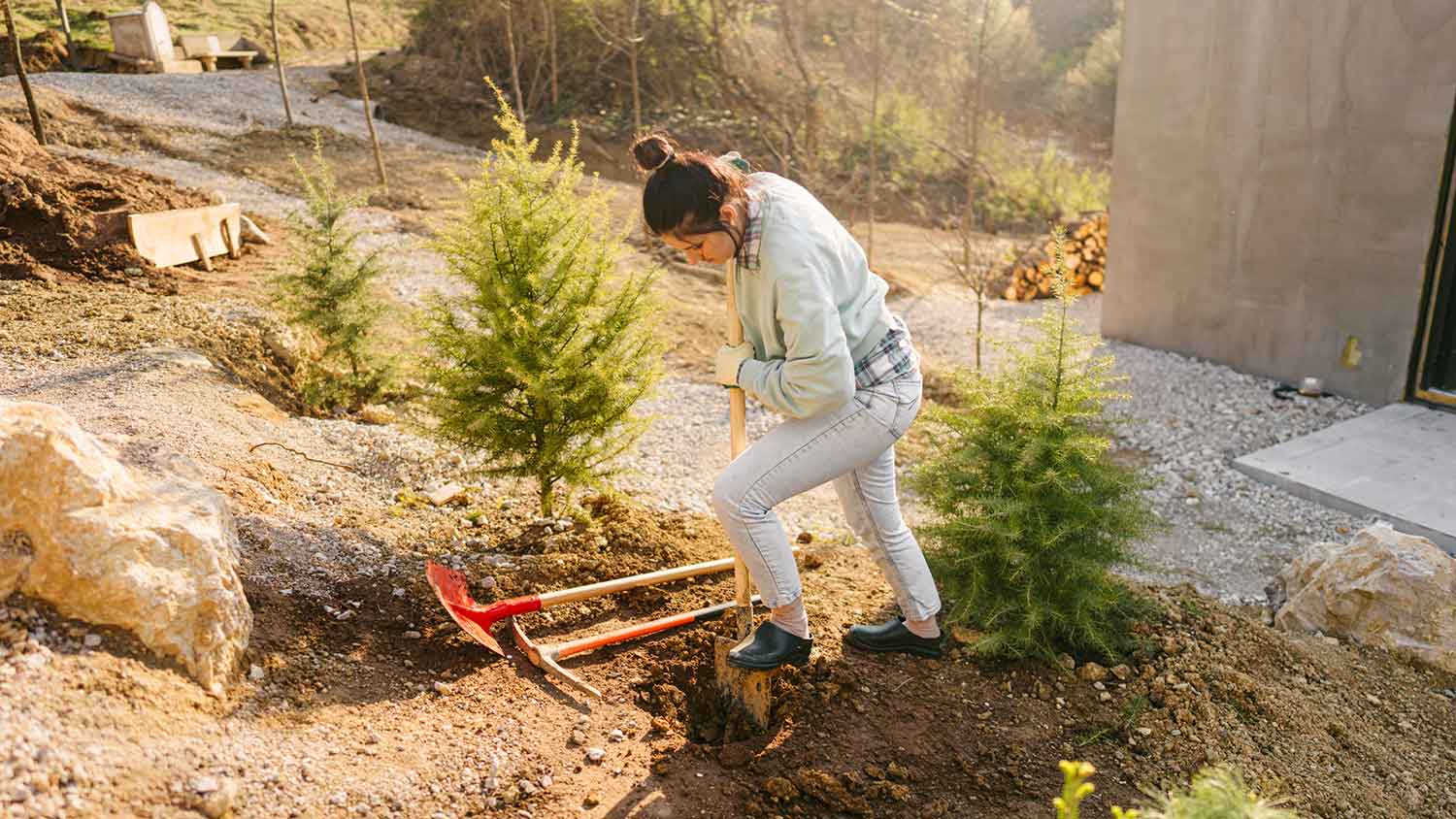
Wondering when is the best time to plant trees? This guide covers everything you need to know about timing, climate, and species to ensure your trees thrive.
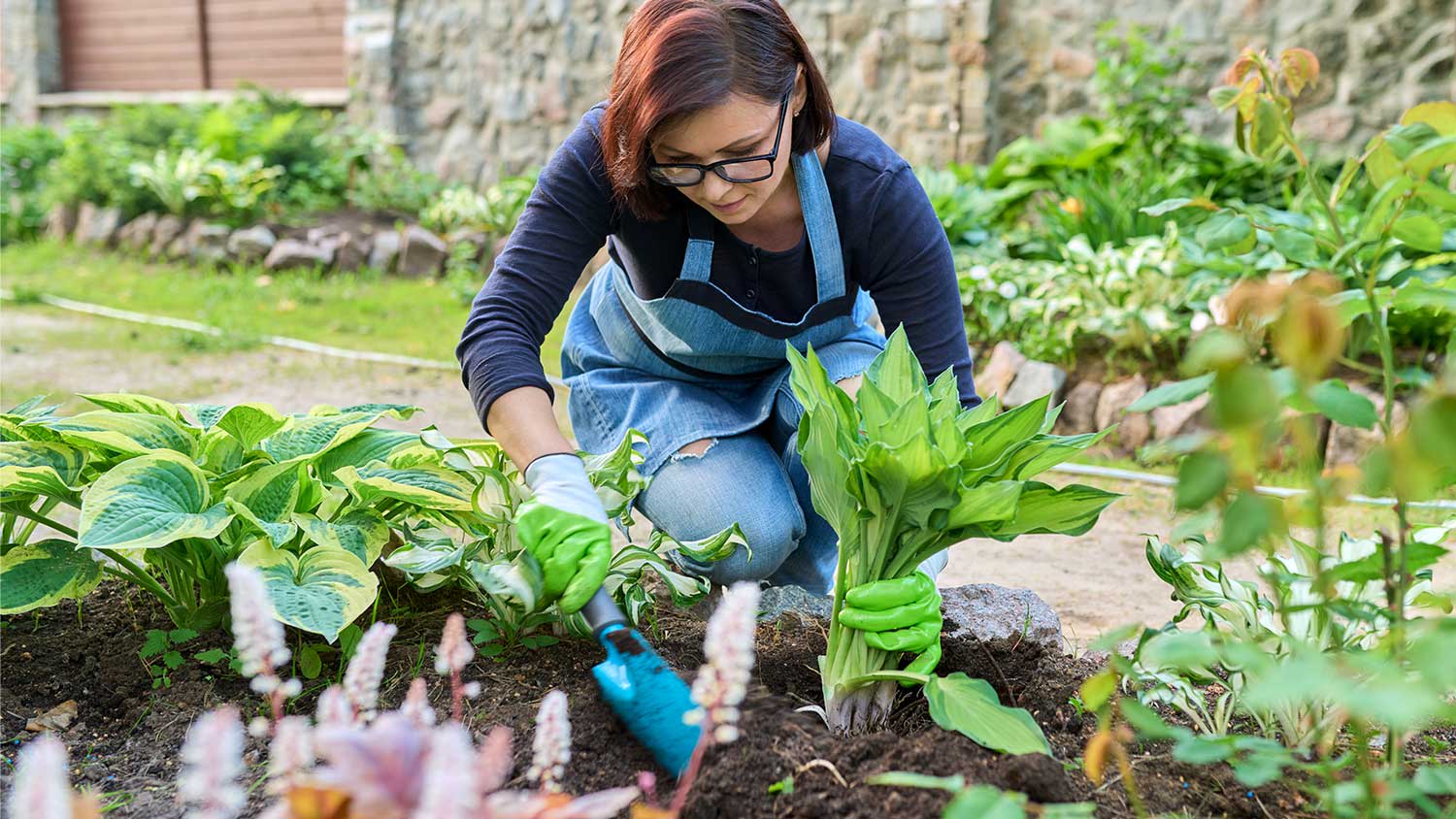
Hostas are hardy plants, but timing still helps. Find out when to plant hostas to help ensure they thrive year-round.
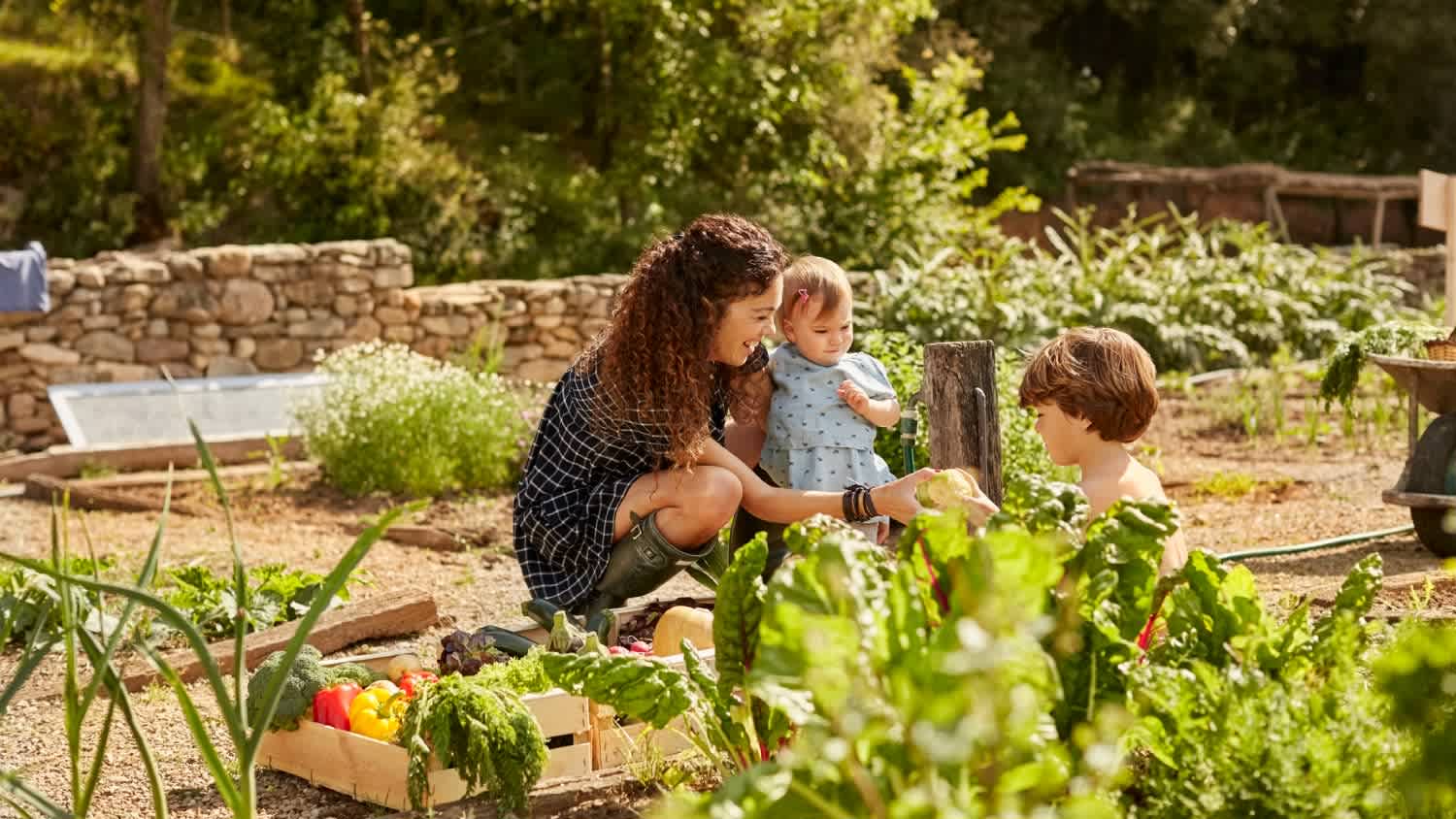
Wondering when to plant vegetables in your garden? Learn the best times to plant cool- and warm-season veggies and get tips for starting seeds indoors too.
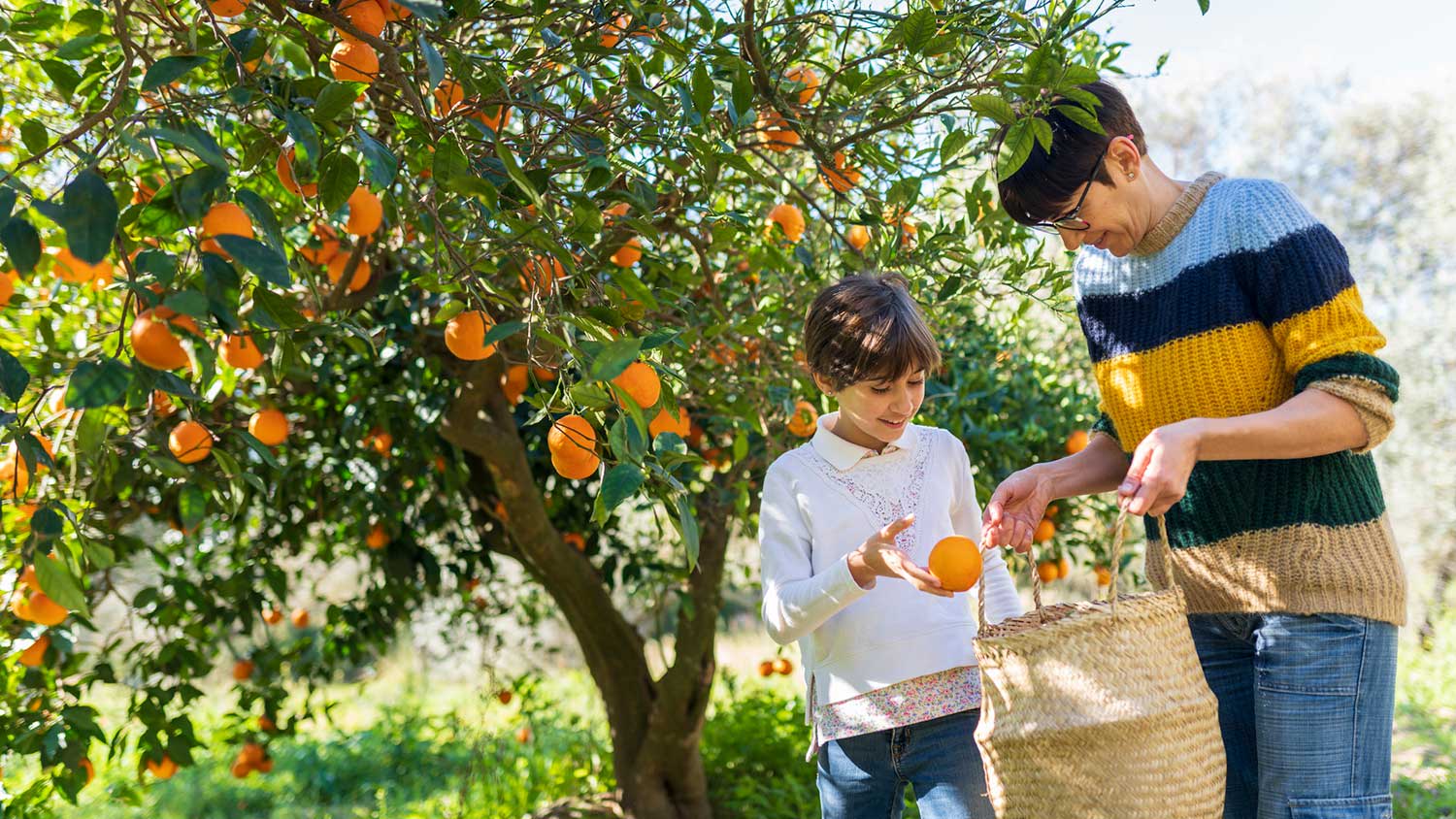
When planting fruit trees, proper timing is crucial for a healthy future harvest. Learn the best time to plant fruit trees by season type and variety of tree.
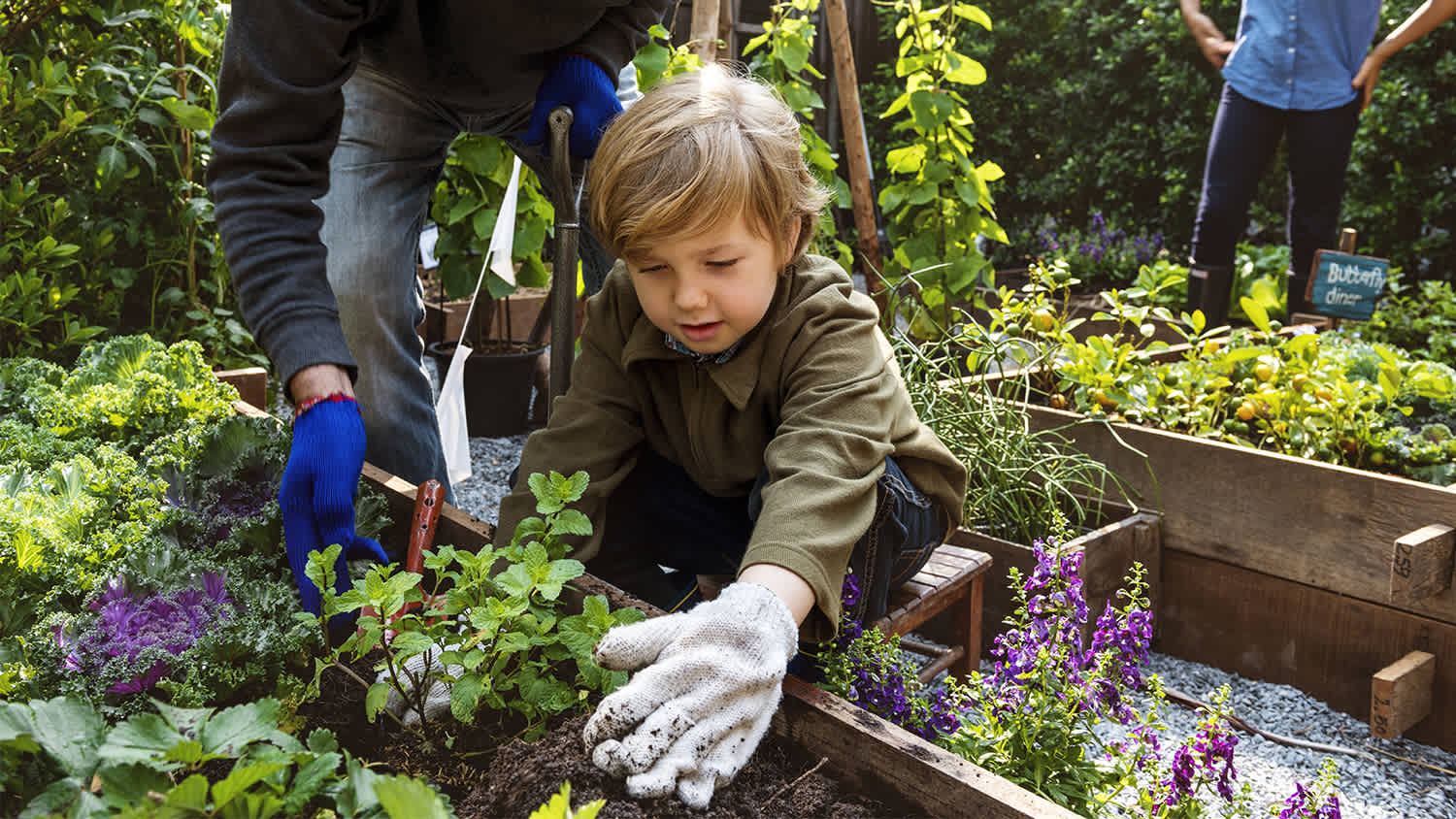
Find out the best time to start seeds for spring planting based on where you live, how you plant, and what you want to grow.