
The cost to replace cast iron pipes depends on many factors, like size and accessibility. Use this guide to get a rough idea of how much you’ll spend.
Get the scoop on the pros and cons of these two popular sink options

Fireclay sinks are molded from clay and fired with ceramic glaze, while cast iron sinks use an iron base coated in porcelain enamel.
Fireclay sinks cost $270 to $800, while cast iron sinks range from $700 to $1,500, with some larger options reaching $5,000.
Cast iron sinks resist stains better than fireclay and last longer, though both materials need gentle cleaning to prevent scratching your sink surface.
Hiring a local sink installation professional keeps your kitchen project on track with proper measurements and secure mounting for heavy fireclay or cast iron sinks.
When you’re planning a kitchen renovation, whether small or big, it’s not uncommon to get stuck on which type of sink to pick. For instance, you may not know how to choose between fireclay and cast iron options because of how similar they appear at first glance, but there’s actually a lot that sets the two apart. Explore everything you need to know about fireclay vs. cast iron sinks, including all the pros and cons of each and how to pick one that best meets your needs.
The biggest difference between fireclay and cast iron sinks is their materials. As their names suggest, fireclay sinks are made from a base of clay and cast iron from an iron base. Fireclay sinks are coated and fired with a ceramic glaze, while cast iron is coated in porcelain enamel.
Their difference in materials results in a wide variety in color options between the two types of sinks. With fireclay sinks, you’re locked into a white or off-white shade, whereas cast iron sinks can be just about any hue from the rainbow.
Also, each sink option is heavier than alternatives like stainless steel and porcelain, but cast iron more so than fireclay. Cast iron will need support from underneath to prevent it from caving in, while that might not always be the case for fireclay.

Fireclay sinks are molded from a clay base and left to cure for several days, after which they’re coated with a ceramic glaze and fired at temperatures of 1,600 degrees Fahrenheit or higher in a kiln. This heating process both adheres the glaze to the clay and strengthens the base by drying it out and fortifying it further.
| Pros | Cons |
|---|---|
| Less heavy than alternatives | Susceptible to staining |
| Easy customization | May crack over time |
| Low-lift maintenance | Limited color choices |
Best for:
Those looking for a classic, white, porcelain-style sink that’s way more durable.
Those looking for a less expensive, similarly performing alternative to cast iron sinks.
There are a few pros and cons of a fireclay sink, but for now, let’s focus on the benefits—like durability and affordability.
Less heavy than cast iron: While still heavier than sink options like stainless steel, not all fireclay sinks will require additional reinforcement. However, don’t attempt to install a sink like this solo because of the risks involved in such heavy lifting.
Easy customization: Because fireclay sinks are molded rather than carved, you can order them in a number of different shapes and sizes—including single and double sink options.
Simple care: Maintaining the appearance of a fireclay sink is easy to do, provided you avoid scrubbing it with abrasive materials, which can result in scratching. However, thanks to the natural non-stick properties of its ceramic coating, it’s rare that you’ll need heavy-duty scrubbing for cleaning.
Lower cost than cast iron: The cost of a fireclay sink ranges from $270 to $800 on average for the sink alone, whereas cast iron sinks range from $700 to $1,500, with some options costing as much as $5,000.
Despite fireclay being among the best kitchen sink materials, there are still a few drawbacks to consider.
More likely to stain than cast iron: The ceramic coating on fireclay sinks is more porous than the porcelain enamel used on cast iron sinks and is more likely to stain as a result.
Susceptible to cracking: The high temps used to fortify a fireclay sink also make it more likely to crack from brute force or extreme temperature fluctuations. That means you’ll need to avoid placing extremely hot or heavy objects into such a sink to keep it intact.
Fewer color choices: Ceramic glaze isn’t as amenable to different hues as porcelain enamel coating, so you’ll most often find fireclay sinks in white.

Cast iron sinks are made from a base of melted iron cast into a mold, left to solidify, and then fired with a porcelain enamel coating. Cast iron is a kitchen favorite because it’s basically indestructible, and even extensive chipping or cracking can easily be patched by DIYers and professionals alike.
| Pros | Cons |
|---|---|
| Stain-resistant | May chip over time |
| Durable | Heavy |
| Lots of color options | More expensive than similar alternatives |
Best for:
Homeowners who never want to buy another sink again.
Those with a higher kitchen renovation budget.
There are a handful of benefits to owning a cast iron sink, including that it will just about never stain, and can last for a lifetime with proper care.
Stain resistant: Porcelain enamel coating is far less porous than the ceramic glaze used on fireclay sinks and won’t stain.
Durable: Though the enamel may crack over time, the cast iron base never will.
Extensive color choices: The enamel coating on cast iron products can be tinted to just about any hue you desire.
Cast iron sinks have a lot going for them, but that doesn’t mean they’re without cons—one of the biggest being their high price point.
More expensive than fireclay: Cast iron sink prices start where fireclay sinks max out: at roughly $600, and that’s just for smaller options. Larger kitchen sink sizes from this material can cost anywhere from $1,900 to $5,000.
Extremely heavy: Cast iron sinks are so heavy that it’s not advised to attempt installation on your own. In that same vein, they almost always need additional underneath support to keep them in place.
May chip over time: While the iron base of a cast iron sink won’t falter, the enamel coating can crack and chip after extended use. Fortunately, this is an easy fix that homeowners can do themselves, but the base may rust if the coating isn’t patched quickly.
Now that you know the difference between these two sink options, here’s how they stack up against each other in various categories.
While both fireclay and cast iron can be molded into different shapes and sizes, and have an appealing glossy coating, cast iron takes the win because of how resistant it is to staining.
Again, cast iron dominates this category due to the sheer number of color choices it offers.
Fireclay sinks can last for years, but only cast iron can last a lifetime. Irreparable cracks or splitting are likely to occur in the former, whereas chipping enamel is the worst that can happen to a cast iron sink.
Fireclay may not last as long as cast iron, but it may be the better option because it costs only a fraction of what you’ll pay for its competitor.
While fireclay sinks are heavier than stainless steel or porcelain sinks, they do weigh less than cast iron, which means that it’s possible to install them on your own and will require less materials (or underneath supports) to do so.
Repairing a cracked fireclay sink can be a costly endeavor, and in most cases you’ll be better off simply replacing it altogether. On the flipside, a chipped cast iron sink can be successfully patched in a matter of hours and at little to no extra cost.
Both options need to be handled with care to avoid scratching or chipping. That means washing them with only soft materials like sponges rather than scrub brushes, and not throwing heavy or boiling materials into them.
Jason has helped me with multiple household projects, with the most recent being new door installation. He has always showed up on time and organized and has done an incredible job! Jason is very professional and he's now my go-to for anything around my house that needs to be fixed or...
 Huff Garage Rescue, LLC
Cole has been handling plumbing and general contracting for our four properties over the past three years, and he’s always done a great job. Most recently, he installed a sink and countertop in our retail store where none existed before, and it turned out exactly how we needed. He’s...
 ANB Renovations LLC
1st Choice Renew is simply the best! We hired them for a complete home renovation, and they transformed our space into something truly amazing. The team attention to detail and commitment to quality were evident throughout the project. They were easy to work with, very responsive, and always...
 Save A Dime
This company went above and beyond with their work, chimney sweeps are usually pretty messy, but the clean up was spot on.!! Josh explained every thing that he was doing, and the things that he was checking to make sure the chimney was safe for me and my family. He was very professional,...
 Supreme brick & chimney
Custom Paint Jobs LLC turned our outdated bathroom into a modern masterpiece.
 Custom Paint Jobs, LLC
Excellent customer service and knowledge. I was recommend to him from my neighbour. My front door and window came in great and were installed beautifully perfectly, I m very satisfied with their excellent work, so decided to order one more big bow window for my living room. I cant wait for...
 Window Depot USA of Central Ohio
If I could give 10 stars for Kitchen Tune Up, I would. I cannot say enough good things about my experience with Kitchen Tune Up and the entire team involved in the process of my kitchen project. They went above and beyond as far as service and quality with my cabinets, paint, countertops, and...
It was wonderful working with Yordy and his team. They were very professional and are experts in what they do. They have completed the work on time, with better quality and with in fairly reasonable price. We just started with backsplash work , but liking his work, we went on to provide...
 Flooring Solutions
We were having 2”x 2” tile installed . There was a small installation error and the new additional replacement tile was from a different lot and the colors didn’t match. Joe assured us that he would rectify everything , which he did without hesitation. We decided to go with the 18” x 36” tile...
 CarifaTile
They work that 360 did on my kitchen cabinets is nothing short of amazing. I still cannot believe the difference from before and after. Jon and Jeff were both so incredibly professional throughout the whole process and their communications with me were constant and consistent. These guys...
 360 Painting Columbus
From average costs to expert advice, get all the answers you need to get your job done.
The cost to replace cast iron pipes depends on many factors, like size and accessibility. Use this guide to get a rough idea of how much you’ll spend.

We’ll cover the cost of replacing a shower or bathtub drain, whether you can tackle this repair yourself, and what other projects to consider along the way.

Discover the differences and similarities between a cast iron sink vs. stainless steel sink to help make the best kitchen remodeling decisions.
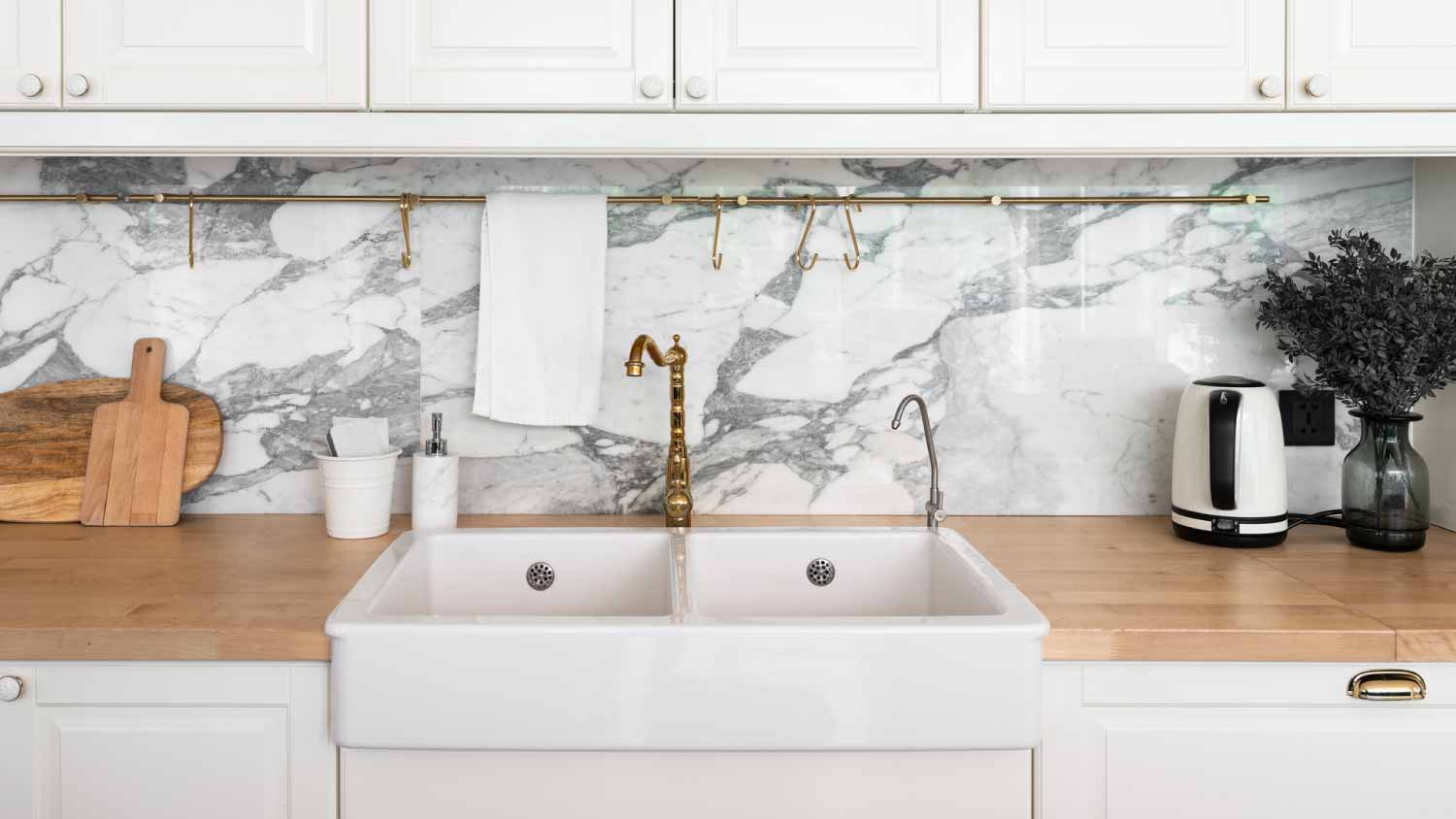
When researching fireclay sink pros and cons, consider the high price, large size, and tendency to scratch. Read on and see if a fireclay sink is right for you.
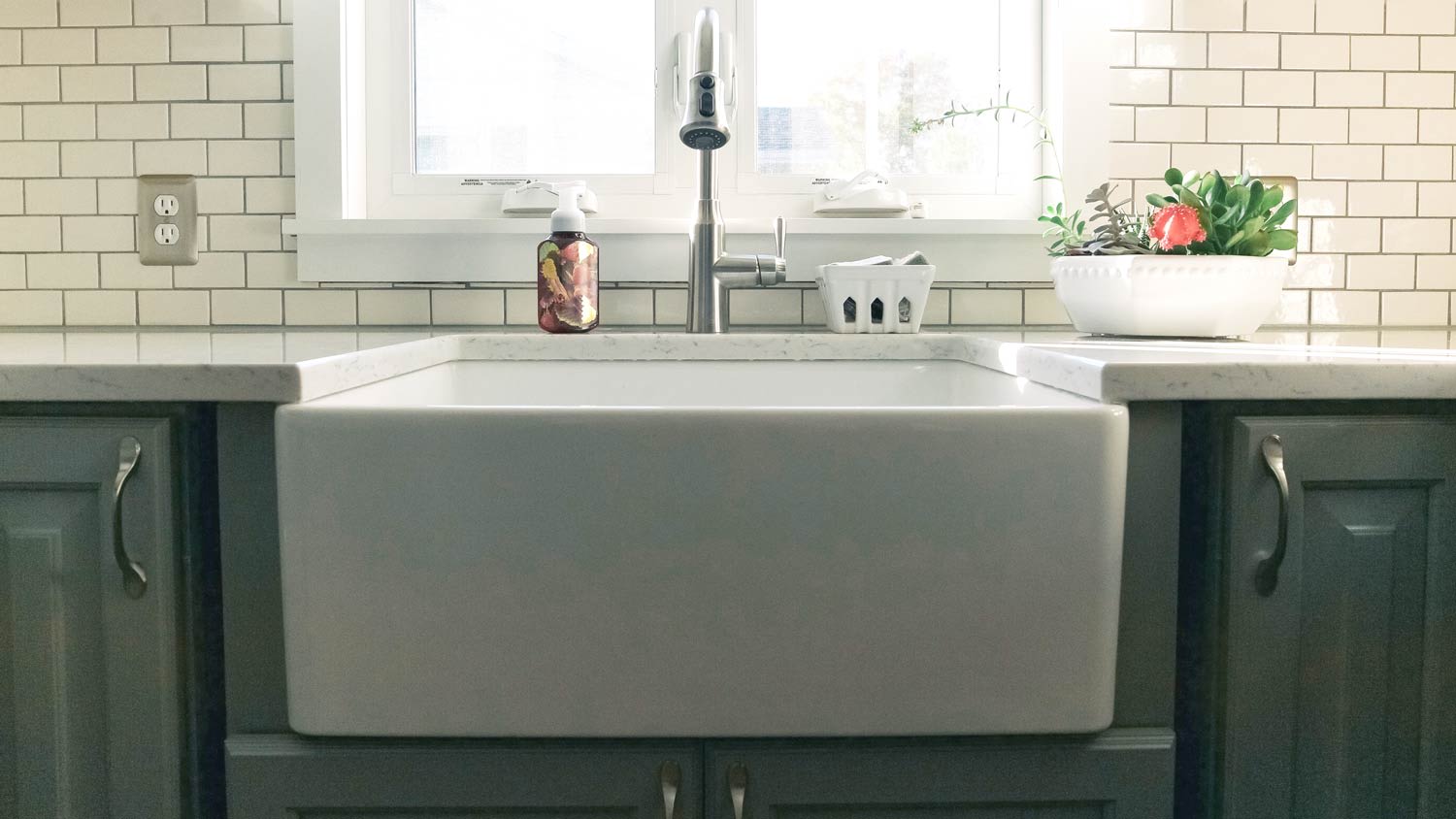
When it comes to fireclay vs. stainless steel sinks, the biggest differences are in style and price. Explore all their features.

Discover the key differences between an apron sink versus a farmhouse sink, including style, size, materials, installation requirements, and more.