
How much does an arborist cost? This guide explains the cost of different services, ongoing expenses, and other factors to consider when hiring an arborist.
Controlling garden pests involves more than a one-and-done approach

Integrated pest management practices focus on preventing pests through habitat changes, smart plant choices, and monitoring rather than relying solely on chemical treatments.
Your garden benefits from tracking pest numbers and damage locations regularly, helping you decide when intervention becomes necessary to protect your plants effectively.
Inviting natural predators like beneficial insects into your garden controls destructive pests organically, reducing your need for chemical pesticides while supporting the local ecosystem.
Hiring a local pest control professional provides reliable guidance on identifying pest species, setting treatment thresholds, and choosing low-impact solutions that protect your garden.
Holes, gnaw marks, and other damages to your crops are enough to make you want to destroy all the pests that hurt them, posthaste. If only there were a quick and easy way to do it without side effects, but that’s rarely—if ever—the case.
Even the small-scale cultivation practices of a gardener have a role in the grander scheme of the environment. While they feed the slimy and creepy-crawly pests you don’t want, they also feed important garden pollinators, and what you use on your plants can affect environmental conditions long after your last tomato harvest.
Integrated Pest Management uses this principle as a blueprint for holistic pest control, with minimal impact on the environment. Here’s a breakdown of this practice and how to incorporate it into your garden.
Integrated Pest Management, or IPM, is an environmentally-conscious approach to pest control. Its premise is that there is no “quick-fix” solution for pest control, but rather a range of strategies that require a patient, consistent plan of action. Above all, it emphasizes preventative measures over reactive ones, and only using pesticides where absolutely necessary.
Techniques for IPM focus not only on the individual plant, but that plant’s place in the grander ecosystem. Using common-sense practices and observations, IPM aims to control pests with the least possible impact on humans and the environment.
According to the Environmental Protection Agency (EPA), an IPM program should feature a multi-tiered approach to pest control. Through regular tracking and considerate intervention, gardeners can keep pests under control with minimal impact on the natural ecosystem.
Before taking action, it’s important to know what you’re dealing with. Identifying and monitoring pests will help reduce the unnecessary use of pesticides and determine the best prevention methods. Targeting a pest at different stages of its life/development cycle can also be very important in achieving control.
To do this, keep a regular written log of these factors:
The number of pests
Areas that get hit the worst by pests
When and where the observations took place
Tracking this will help gauge which types of pests are causing the most damage, which areas are most vulnerable, and when to step in and intervene.
It’s tempting to kill every errant pest that munches on your cabbages, but nature has a level of resilience against these foes. This is why every IPM plan should feature a threshold to gauge when pests become a serious enough problem to intervene. Defining this threshold will help you tailor your pest control plan's size, scope, and concentration.
Part of controlling pests involves taking away the conditions that attract them. This includes:
Decluttering
Sealing points of entry
Getting rid of trash
Trimming overgrown vegetation
Maintaining clean areas for storage and dining
Installing natural barriers for pests
Eliminating standing water
IPM does not shun all forms of pesticides. Instead, it uses a tiered approach to focus on the lowest-risk pest management methods. These include:
Trapping pests
Use heat or cold treatments
Physical removal of pests
Application of natural pesticides

Integrated Pest Management applies to agricultural settings as well as smaller-scale settings in the home and garden. Plans feature a combination of habitat manipulation, cultivating resistant plant varieties, and monitoring the presence of pests. Use each of these tools as a guideline for your custom IPM approach.
Biological control involves introducing natural predators to help fight (or avoid) a pest problem. This means planting nectar-rich flowers and plants to invite beneficial insects to the garden. These helpful predators can gobble up the destructive insects that plague your crops.
Strategic plant selection is another important aspect of IPM. Plants that aren’t suited for a particular area will be under more stress and will be more susceptible to pest and disease issues. This concept can also apply to controlling mosquitoes and other pests that bother you while you’re trying to enjoy your outdoor space.
Some disease or pest issues may spread from one plant to another if they are nearby in the landscape. A common example is cedar-apple rust, which affects both cedar trees and apples and needs both nearby to develop.
Depending on the type of pest or disease requiring control, there may be several options for treatment. Not every issue requires the immediate application of chemicals. Physical removal of pests may be sufficient, as well as natural repellents or the introduction of natural predators.
IPM recognizes the harmful side effects of chemical pesticides and prioritizes solutions with a lesser impact on the environment. Rather than harming the environment with chemical and systemic pesticides, it emphasizes prevention and the use of organic pest control methods.
The goal of any program is generally not the full removal of the pest (there are exceptions to this for particularly damaging pests), but suppressing their numbers to a point where they are no longer causing damage. Plants live outdoors and cohabitate with insects, so you should expect pests. It’s a simple fact of gardening—and one we should work around with minimal interference.
A reliable team for moves across state. My switch to a new place needed careful lifting through tight hallways. The movers checked the doorway first, then carried heavier pieces with slow, controlled movements. Their patience helped prevent damage, and I?d choose them again.
This company does it right. Firstly, I want to say that Landan was a joy to work with. He was so kind, transparent, and had everything under control. His entire team showed up ready to work and they were all very respectful of the fact that we were in an office space. A little backstory – we...
 Krumlauf Floors
I had FabClean 614 clean my apartment, and she did an outstanding job. She was so professional and efficient. My apartment looks absolutely spotless every surface, every corner, all cleaned to perfection. Definitely highly recommend FabClean 614 if you're looking for top-notch cleaning...
 Fab Clean 614
Raven and crew does absolutely fantastic job. They are very professional if any concerns were to occur with any of her work she always took responsibility and finished out with a great job. I have worked with her business for a year and have always been satisfied. Very trusted business and...
 Creations of Transformation LLC
I would recommend this company to anyone! He showed up on time, was friendly, completed a very difficult repair on our dryer vent cover, was responsive, and pricing was extremely fair and competitive. I would have him back to do any of our repairs or cleanings without hesitation!
 U.S.A. Dryer Vent, LLC
Best cleaning I've had at my property
Ace Fireplace Services' chimney sweep service is truly exceptional. They used advanced technology to ensure a thorough cleaning process, and my chimney has never looked better. I highly recommend their services.
 Ace Fireplace Services
This company went above and beyond with their work, chimney sweeps are usually pretty messy, but the clean up was spot on.!! Josh explained every thing that he was doing, and the things that he was checking to make sure the chimney was safe for me and my family. He was very professional,...
 Supreme brick & chimney
Good workers and they do a good job.
 Mira Construction
Mary Cleaning Service is fantastic! The entire team is professional and pay a great deal of attention to detail. They do such a thorough job of cleaning my house. I would definitely recommend!
From average costs to expert advice, get all the answers you need to get your job done.
How much does an arborist cost? This guide explains the cost of different services, ongoing expenses, and other factors to consider when hiring an arborist.

If a tree is growing on your property line, whose responsibility it? Here’s a handy guide to navigating tree care with your neighbors.
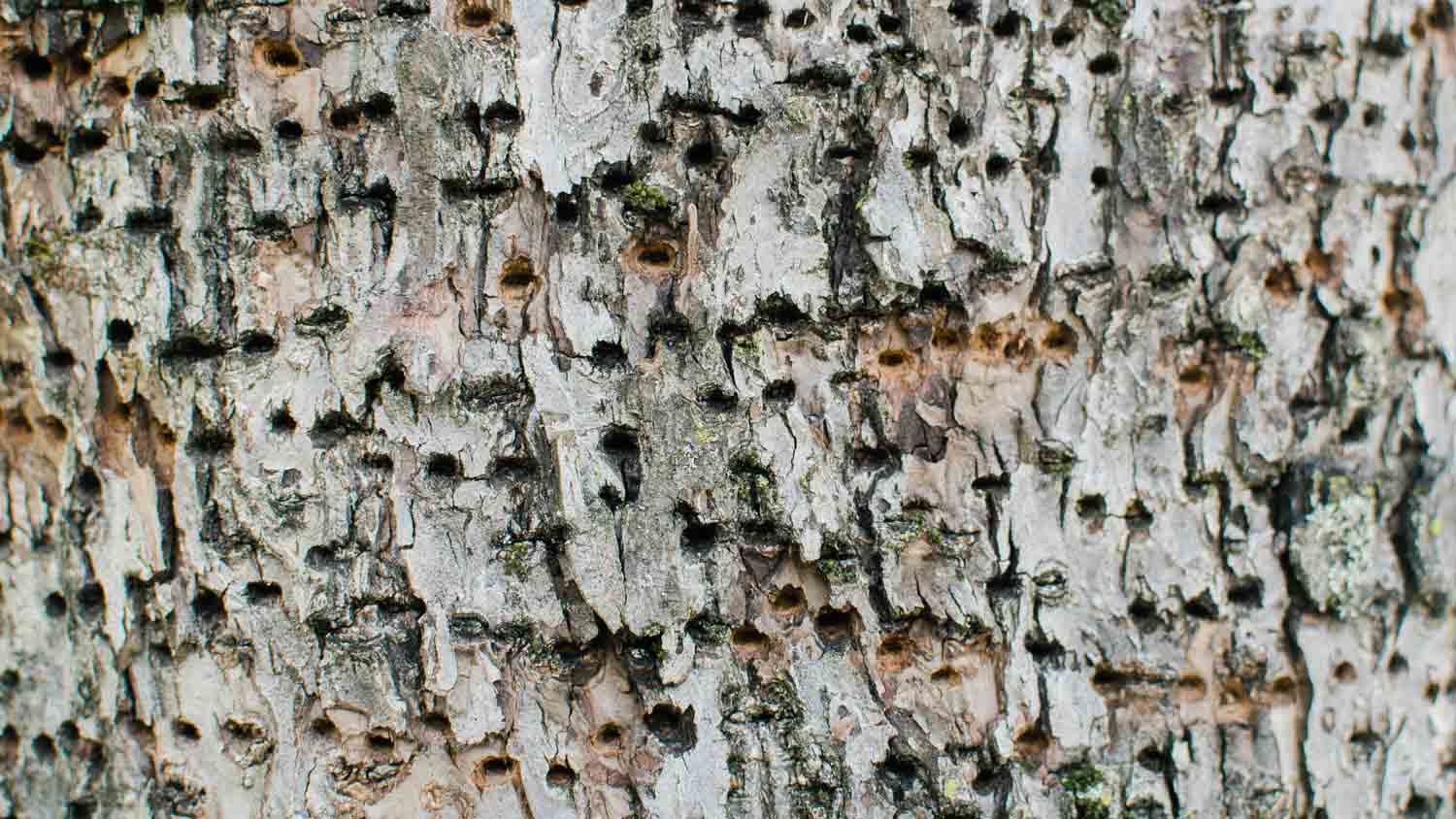
Discover the answer to what is eating my tree trunk, why it's doing it, and what you can do to eliminate and prevent the insect problem.

As winter ends and spring begins, spend some time preparing your trees for the seasonal shift. Read these top tips to help your trees thrive in springtime.

Arborists are specialized tree care experts. This guide will help you hire an arborist with all the qualifications to give your trees the best care possible.
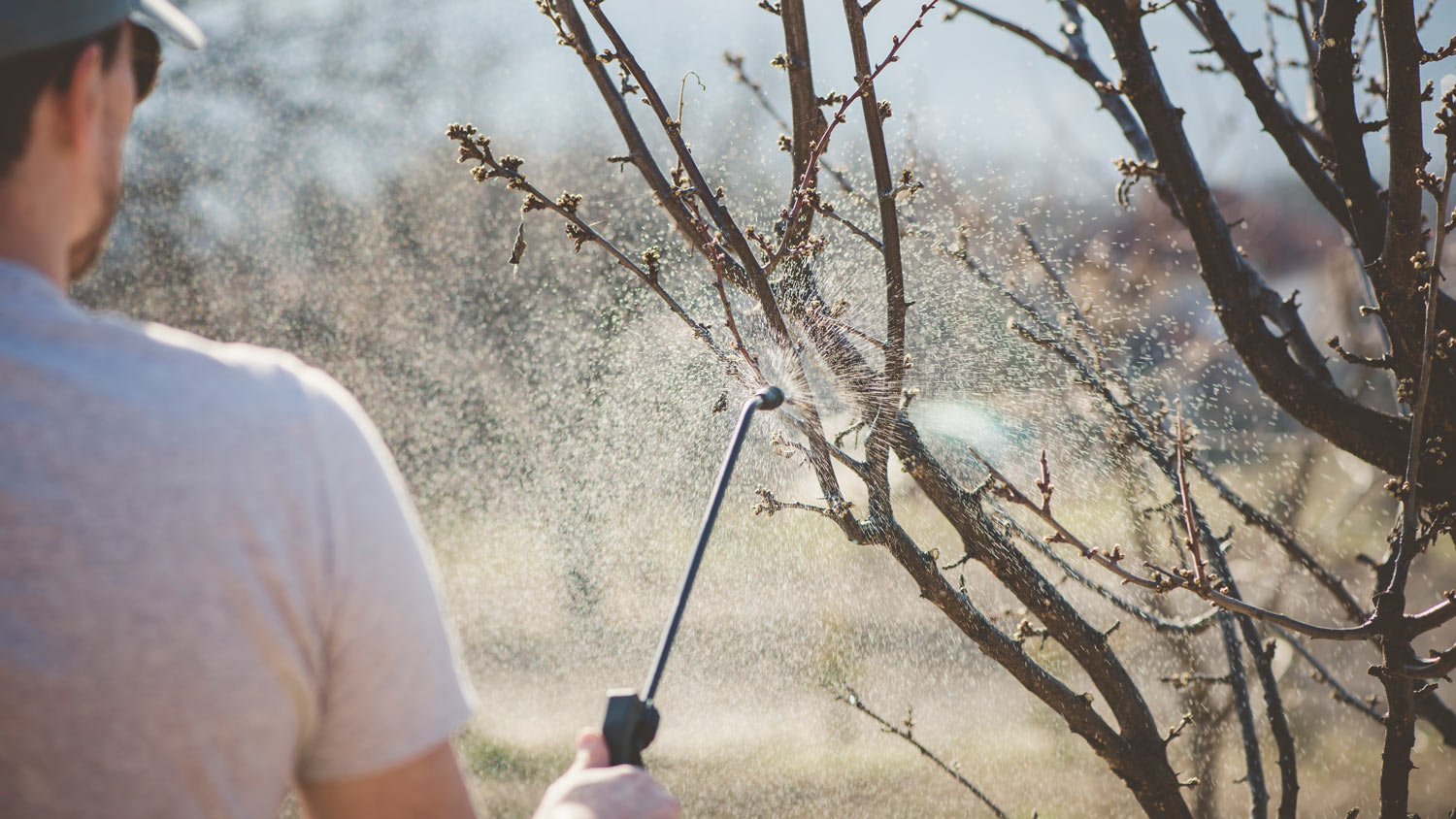
Who do I hire to spray my trees? Look for a tree maintenance service with the proper licensure and certifications. Find out more in this guide.