
Building a home and looking to go as green as possible? Learn about the cost to build a green home and how energy-efficient features will affect the total.
Homeowners, contractors, and manufacturers are all feeling the impact of a pandemic-fueled material shortage


Building material prices are rising because pandemic factory shutdowns reduced supply while demand for construction and home renovation surged, creating shortages across lumber, cement, and other materials.
Expect to pay around $36,000 more to build a single-family home due to lumber price increases alone, so planning your renovation budget carefully helps you avoid cost surprises.
You can control your project costs by staying flexible with material choices, buying American products to reduce wait times, and securing all supplies before starting work.
Hiring a local kitchen and bath remodeling professional provides reliable guidance on sourcing materials and finding substitutes when shortages occur, keeping your renovation on track.
Nearly two years after the start of the COVID-19 pandemic, the impact of the crisis on supply chain and materials shortages is still significantly impacting project timelines and costs for homeowners across the U.S. According to Angi's True Cost Report, in 2020, additions, closets, and cabinetry saw the biggest rise in pricing, with project prices increasing from 2019 by 49%, 38%, and 30%, respectively.
So what does this mean for the next several months of DIY projects—and how long will these issues last? We'll explain what to expect from today's home renovation process and how to maneuver through supply chain issues like a pro.
The perfect storm of construction mayhem began at the start of the pandemic shutdown in spring 2020. Factories that produced crucial home building and renovation materials scaled back or halted manufacturing for the safety of their employees.
The demand for construction, however, only grew. No longer tethered to city hubs for work, homeowners moved closer to loved ones or areas with a bit more wiggle room. And with record-low mortgage rates, the option to purchase or build a home expanded to more people.
On top of everything else, natural disasters like the Texas freeze obstructed the already struggling supply of plastics, paint, and home siding—all of which can temporarily slow down the pace of a home renovation.
Let's take a look at the major materials affected in the past two years and its impact on your home improvement projects, whether you're on the verge of renovating the bathroom or finally building that addition.
"With so much uncertainty around manufacturing slowdowns, supply chain disruptions, scarce product availability, and volatile prices, building in flexibility and advance planning to your project is more important than ever."

According to the National Association of Homebuilders (NAHB), softwood lumber is one of the most common types of wood found in average home construction. This includes everything from the home's framing to the back deck.
While the lumber mills significantly slowed down production, the housing market went in the opposite direction. Real estate saw record-setting years in 2020 and 2021, and without enough homes to meet demand, a home shortage called for more new construction.
Here's the good news: NPR reports that lumber prices finally started slowly falling in June of 2021. In other words, hope is on the horizon. Many projects that have been on hold are suddenly getting the green light. If you've been hesitant to embark on a new addition, shed, or home office because of lumber prices, now may be the time to start planning.
Driveways, foundations, patios, and pools: cement lays the groundwork for some of the most important projects for our homes. As one of the most-used materials for small projects and new construction alike, the demand for cement and concrete grew in both 2020 and 2021.
Texas is one of the largest cement suppliers to the U.S., but after unexpected freezing temperatures in February of 2021, production fell behind by nearly half a million tons of cement.
As of May 2021, cement prices rose more than 10% compared to 12 months before. Why the huge jump? In addition to demand, the supply chain saw multiple disruptions. For one, stricter regulations due to COVID-19 slowed down delivery times.
When it comes to home items made from multiple materials, the shortage becomes more complex. An astounding 87% of builders reported a shortage of windows and doors in a recent NAHB survey.
In addition to a holdup of specific materials, most window and door factories couldn't expand their output to meet the demand. The costs to increase capacity simply weren't financially feasible for such a sudden, and possibly short-lived, demand.
The hunt for a new stove or refrigerator can be competitive business. The supply chain for things such as wires, steel, and chips came to a slow crawl in 2020 and 2021 while the demand for appliances—particularly converted high-end ones—skyrocketed in the same timeframe.
There is a similar push-and-pull to construction materials occurring; with more emphasis placed on the importance of a comfortable, high-tech house, homeowners are making major home upgrades faster. The extreme demand for that smart refrigerator mixed with a chip shortage, for example, leads to long waits and heftier price tags.
Steve Cunningham of NAHB told Forbes that there is a workaround for homeowners looking to update their appliances during these tricky times. By remaining flexible and opting for an available model—instead of a specific one you had your eye on—you may be able to skip the wait and finish the project on time. Models with minimal blemishes are also easy to come by, especially if you're looking to lower the price tag.
It seems that virtually no home construction materials got by unscathed. The Association of General Contractors noted that:
Steel prices rose by 67%
Brass and copper costs increased by 49%
The price of aluminum jumped 20.5%
Plastic construction materials—PVC piping, moisture barriers, vinyl siding, paints, adhesives—even went up more than 12%.
The Associated General Contractors of America noted nearly a 20% rise in overall construction materials over the past year. While this number may stop you in your tracks, not all materials have seen or will see huge price fluctuations. This unpredictability simply calls for a bit more time shopping around, waiting for the right material to come back in stock, or speaking with local contractors for advice about the current market.
For example, prices may change quickly, even in the short time between receiving a quote from a contractor and accepting the offer. If a contractor needs to source a notoriously tricky material right now—like wood for new construction—the process may look slightly different than it did in the past.
"The most significant unexpected change was the sharp increase in the price of lumber," explains licensed general contractor and remodeling expert Bob Tschudi. "To stay on budget for the client and stay profitable, we check prices right before giving an estimate—and have shortened the time allowed for acceptance from 30 days to 15 days."
According to the NAHB, building a single-family home from scratch is about $36,000 higher this year simply due to the rise in lumber prices. Some contractors will include escalation clauses in contracts that protect builders in case materials increase above a certain rate during the process.
With the ever-changing nature of the pandemic and its effects on the economy, backorders will vary from weeks to months, depending on the material.
The CEO of Florida Home Builders, Rusty Payton, noted that it now takes an average of 15 to 18 months to build a home from the ground up. Pre-pandemic, it took just about eight.
Items that include a range of materials—such as appliances with wires, steel, and plastic all in one—may encounter the bottleneck effect. In other words, your dishwasher would be built and ready to ship if it weren't for the holdup of essential parts across the country or even across the world.
Tschudi details another example: "For a short period, there were no electrical boxes for switch and outlet rough-ins. And when trying to replace a door handle on a refrigerator that was manufactured outside of the U.S., we were told that the part would not be available for 6 to 9 months or longer."
While it can be hard to predict the schedule of your home project right now, it's comforting to know that the situation changes each week. Slowdowns of months in the past do not mean the delays will continue to the same extent as the world starts to open back up.
In June, 2021, the White House released a statement noting supply chain disruptions—with manufacturing and construction topping the list. Thankfully, it also reassured citizens that hope is on the horizon, ensuring ongoing efforts to reinvigorate the supply chain.
So, where does this leave your next home project? And how do you control remodeling prices in unstable times? “With so much uncertainty around manufacturing slowdowns, supply chain disruptions, scarce product availability, and volatile prices, building in flexibility and advance planning to your project is more important than ever,” says Mischa Fisher, Chief Economist at Angi.
"Two things to consider are budget and duration of the project,'' says Tschudi, "If your project requires materials that are very expensive because of scarcity (for example, a garden structure that uses 6” x 6” x 12’ treated wood), you might want to hold off."
Timing, as is often the case, is key. Rapidly changing prices can make it trickier to negotiate lower prices, and choosing the right season for your home remodeling projects can sway the cost.
Jeronimo Aguilar-Gutierrez, VP of Pricing and Procurement at Bolster, a New York renovation firm, explained to Brick Underground that buying American products is another way to cut down on wait times. Foreign-designed and constructed items are currently taking longer due to unique COVID restrictions and freight delays in each country.
And, while it may be tempting to skip the contractor when prices rise, remember to weigh the costs and risks of DIY projects. Additionally, Aguilar-Gutierrez reiterates that some high-demand items are easier to procure through a contractor. Many designers have long-standing professional connections to a supplier, making it easier than contacting a company yourself.
Most importantly, a trained and certified contractor—especially during such times of inconsistency is a must have. “In this current boom, having a high-quality pro is more important than ever,” explains Fisher. “Since they will have a broader sense of where to source materials, what substitutes work when you can't get something you need, and understand where to pivot when a delay comes up.”
Overall, you want to move quickly once you get started. Tschudi clarifies, "To keep your project duration as short as possible, make sure you have all the supplies before starting. That might require paying for and storing items before the work begins, but it will keep the project on schedule."
Diving into home renovation projects may look a bit different these days, but with the right strategy, flexibility, and awareness of the quickly changing industry, the result will be worth the extra challenge.
Jason has helped me with multiple household projects, with the most recent being new door installation. He has always showed up on time and organized and has done an incredible job! Jason is very professional and he's now my go-to for anything around my house that needs to be fixed or...
 Huff Garage Rescue, LLC
Cole has been handling plumbing and general contracting for our four properties over the past three years, and he’s always done a great job. Most recently, he installed a sink and countertop in our retail store where none existed before, and it turned out exactly how we needed. He’s...
 ANB Renovations LLC
1st Choice Renew is simply the best! We hired them for a complete home renovation, and they transformed our space into something truly amazing. The team attention to detail and commitment to quality were evident throughout the project. They were easy to work with, very responsive, and always...
 Save A Dime
This company went above and beyond with their work, chimney sweeps are usually pretty messy, but the clean up was spot on.!! Josh explained every thing that he was doing, and the things that he was checking to make sure the chimney was safe for me and my family. He was very professional,...
 Supreme brick & chimney
Custom Paint Jobs LLC turned our outdated bathroom into a modern masterpiece.
 Custom Paint Jobs, LLC
Excellent customer service and knowledge. I was recommend to him from my neighbour. My front door and window came in great and were installed beautifully perfectly, I m very satisfied with their excellent work, so decided to order one more big bow window for my living room. I cant wait for...
 Window Depot USA of Central Ohio
If I could give 10 stars for Kitchen Tune Up, I would. I cannot say enough good things about my experience with Kitchen Tune Up and the entire team involved in the process of my kitchen project. They went above and beyond as far as service and quality with my cabinets, paint, countertops, and...
It was wonderful working with Yordy and his team. They were very professional and are experts in what they do. They have completed the work on time, with better quality and with in fairly reasonable price. We just started with backsplash work , but liking his work, we went on to provide...
 Flooring Solutions
We were having 2”x 2” tile installed . There was a small installation error and the new additional replacement tile was from a different lot and the colors didn’t match. Joe assured us that he would rectify everything , which he did without hesitation. We decided to go with the 18” x 36” tile...
 CarifaTile
They work that 360 did on my kitchen cabinets is nothing short of amazing. I still cannot believe the difference from before and after. Jon and Jeff were both so incredibly professional throughout the whole process and their communications with me were constant and consistent. These guys...
 360 Painting Columbus
From average costs to expert advice, get all the answers you need to get your job done.
Building a home and looking to go as green as possible? Learn about the cost to build a green home and how energy-efficient features will affect the total.

Discover how much it costs to build a balcony, including average prices, cost factors, and tips to budget your project. Learn what impacts balcony construction costs.
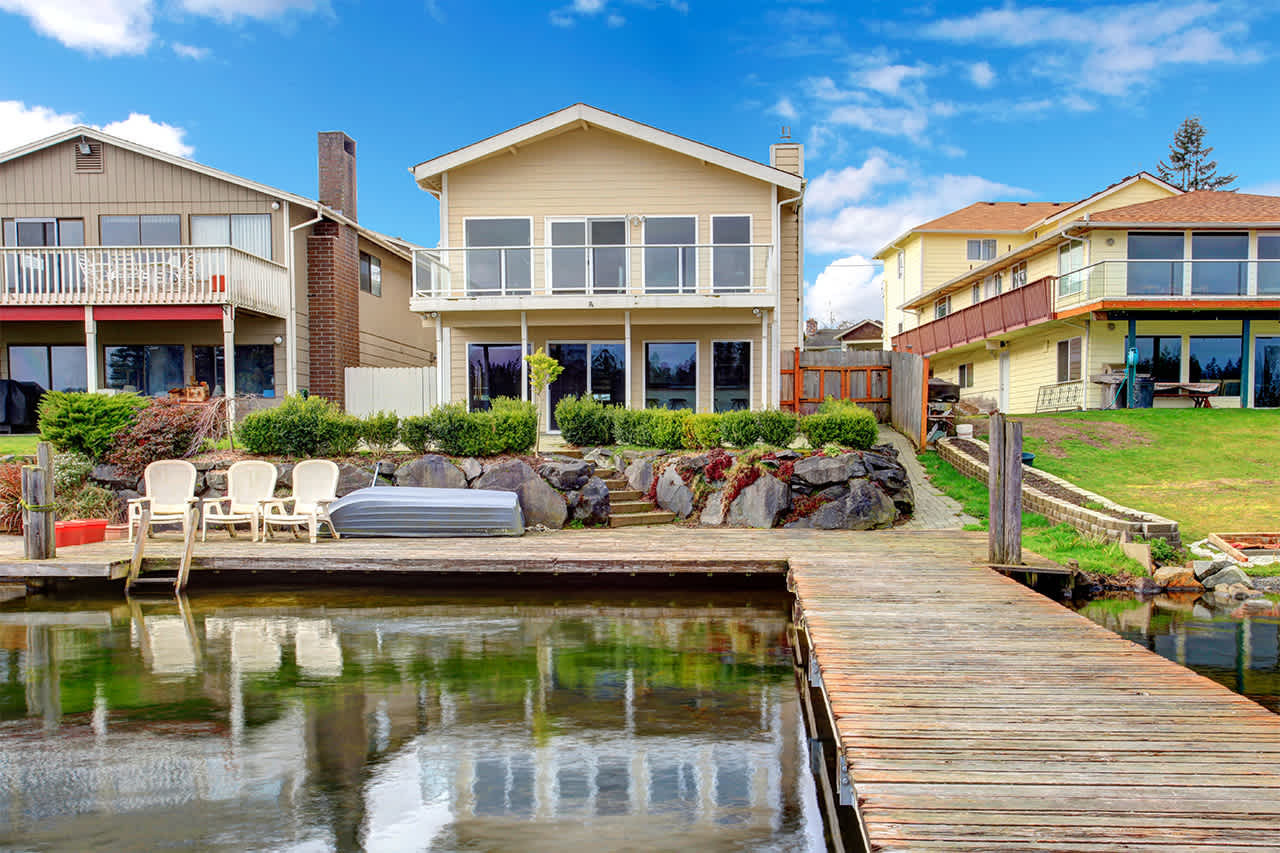
How much does it cost to build a dock? Get a detailed price breakdown, key cost factors, and money-saving tips for your dock project.
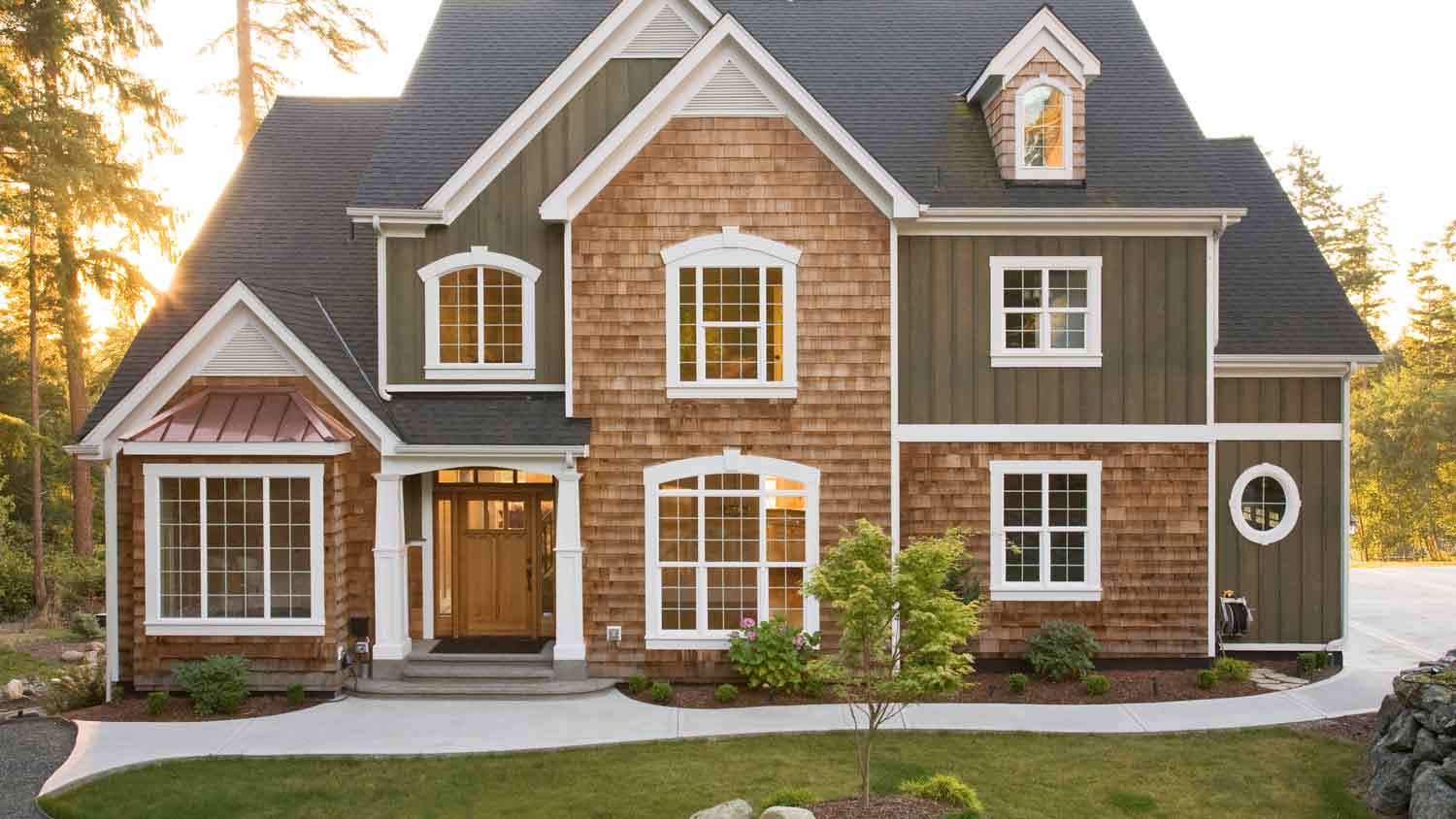
If you’re building a new construction home or an addition, use these tips when choosing building materials to ensure the highest quality build.
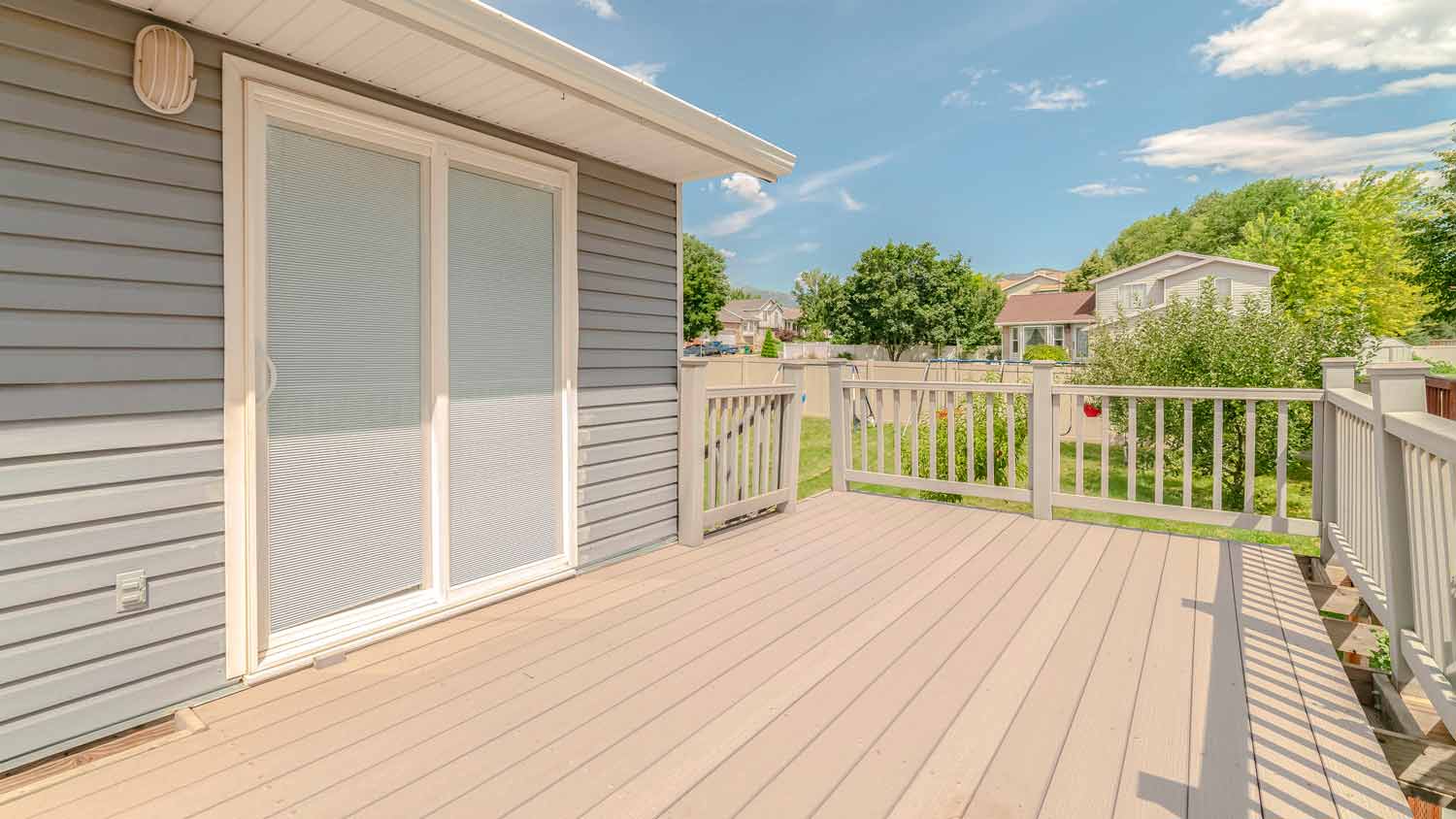
Building a deck expands your living space to the outdoors. Here’s a deck building materials list that lays out all the supplies you need to create the perfect deck.

Need a little help learning how to price construction jobs? If you’re a general contractor looking for some guidance on how to win the bidding process and make more profit per job, we’ve got you covered. Keep reading for more.