
•
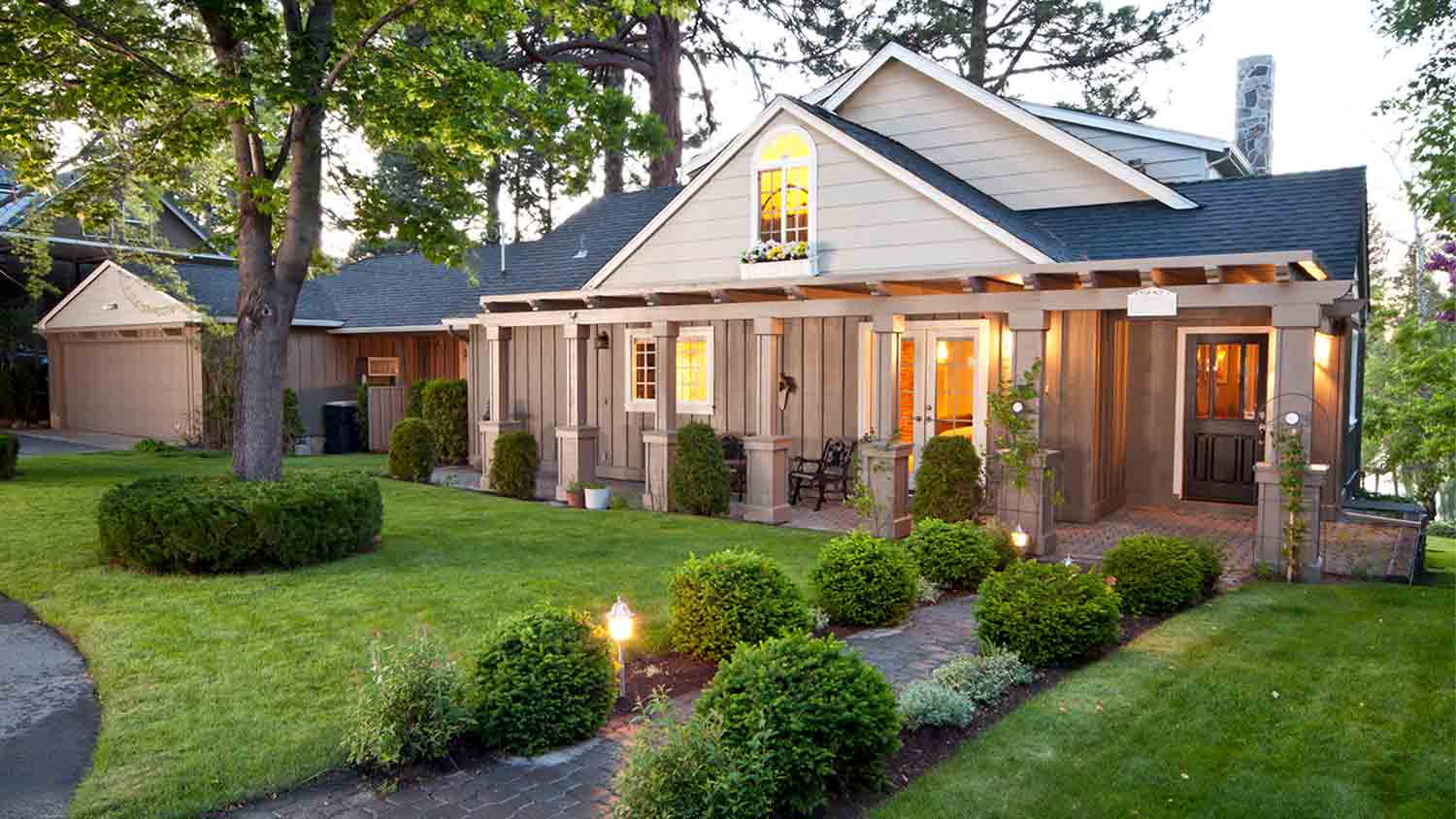
Discover the cost to install landscape lighting. Learn about average prices, key cost factors, and ways to save on your outdoor lighting project.
There’s no gold at the end of the rainbow, just a garden with massive curb appeal

Ways to add color to your landscape include using complementary colors from the color wheel, layering analogous hues, and adding vibrant garden accents for year-round interest.
You can create bold contrast by choosing flowers or planters in complementary colors, like pairing blue containers with yellow blooms for eye-catching visual impact.
Your garden gains depth when you layer analogous evergreen shrubs in yellow-green, rich green, and blue-green shades for consistent color throughout the seasons.
Hiring a local landscape architecture professional helps you design color schemes that suit your home's style, ensuring plant choices and hardscaping work together beautifully.
If your landscape is making you feel a little blue—or, more realistically, a lot of green—it’s time to add some color to seriously increase your curb appeal. When most people think about adding color to a landscape, they think about flowers. The truth is, there’s so much more than that.
There are ways you can have a yard year-round, even when flowers are out of season. It’s all about layers, whether you’re pairing evergreen shrubs with annuals or throwing in a few colorful garden accents. Here are some simple ways you can add color to your landscape design.

Color theory is why your local landscape designer seems to always come up with amazing color schemes. Luckily, it’s not a secret. It’s all based on the color wheel. The color wheel is a circular chart that arranges colors based on wavelength and helps you understand how they visually interact. It has three different layers:
Primary colors: These hues (red, yellow, and blue) cannot come from other colors. They are the foundation on which all other colors exist.
Secondary colors: You can create these three colors (green, orange, purple) by mixing primary colors.
Tertiary colors: You can create these hues by mixing a primary and secondary color.
Colors across from each other on the color wheel are considered complementary colors. They offer a bold contrast (think: a bright blue planter with a yellow sunflower). Colors next to each other on the color wheel are considered analogous colors. They create a sense of harmony (think: yellow ornamental peppers paired with an Emerald ‘n’ Gold shrub). Ideally, your landscaping should use a mix of both.
Many gardeners swear by the thriller, filler, spiller method for arranging flower pots. Essentially, one plant is the focal point, another plant fills out the planter’s general surface area, and a final plant spills over edges to make it look extra-lush. According to color theory, if you want your thriller to really stand out, pick a flower in a complementary color.
To do it right, look at the hue of your filler. Place it on the color wheel and choose a thriller in a color that’s directly opposite. For example, if you’ve got a filler with blue-ish purple blooms (like lavender), choose a yellow-orange flower (like pot marigold) for the focal point.

Analogous color schemes are another way of adding color to your landscape—but you’re going to have to pay close attention to color theory. Choose flowers in analogous colors (three hues that touch each other on the color wheel).
For example, creeping thyme makes a great ground cover plant with its purple blooms. Pair that with pink impatiens and fuchsia peonies. If you’re looking for a low-maintenance landscape design that works year-round, try layering analogous evergreen shrubs. Choose:
A bright yellow-green shrub (like lemon-lime Nandina)
A rich green shrub (like an emerald-colored boxwood)
A blue-green shrub (like blue star juniper)
Having trouble picking the right plants for your garden color scheme? A local landscape designer can help.
A monochrome garden color scheme can be a great base to really make your favorite flowers stand out in your landscaping. Choose a flower or ornamental tree in a complementary color for the focal point, then make the rest monochrome. You can even try a couple of monochrome planters in complementary colors for some eye-catching contrast. For example, if you want a blue theme, reach for blue flowers and shrubs.

If your garden is starting to look like a wall of green, try adding color to your landscape with a vibrant garden accent. This is an excellent year-round solution. When your perennial garden plants die back in the winter, a brightly-colored accent will stand out—especially if you live in a climate with lots of snow. Try:
A bold red birdhouse plan
An eye-catching pink flamingo
A painted butterfly house
Brightly colored gazing balls
Vibrantly painted planters
The color wheel isn’t the only way to play with color. You can mix cool, warm, and neutral colors to add interest. Warm colors are those in the red, orange, and yellow families. Cool colors are in the green, purple, and blue families. Neutral colors are in between (they don’t appear on the color wheel and swing either way, depending on their color pairings).
When planning your landscape design, consider your existing landscape—especially the color of your home. If you have a cool-toned house, flowers in warm shades of red and orange will create a bold contrast. Use them sparingly and with intention to create movement. Similarly, if you’ve got a rich, warm-toned mulch in your garden bed, you may want to choose warm-colored flowers, so it doesn’t clash.
Hardscaping and ground cover fall into a landscape architect's area of expertise, but they’re the veritable icing on the landscaping cake. First, they can dramatically add a pop of color (like a bold red paver driveway that boosts curb appeal). Second, whatever you put on the ground can help your colorful shrubbery stand out. It’s a concept known as color context.
For example, a bright red flower will look more vibrant against black mulch than it will against white river rocks. It will blend in if you have orange-tinged mulch, no longer becoming the focal point. That’s not necessarily a bad thing. It just depends on what you’re looking for, so keep it in mind when creating plans with your local landscaper.
Custom Paint Jobs LLC made our home feel like a piece of art. Thank you for your creativity!
 Custom Paint Jobs, LLC
Window Depot did an amazing job on my deck. I wasnt sure what I wanted to do, but their composite decking was affordable and will last a long time. I am excited to have family over, and I am no longer embarrassed by my backyard. Jeff and the ground crew were polite, respectful, and caring for...
 Window Depot USA of Central Ohio
First of all, the gentleman I dealt with (Cam?) was very responsive to my many questions and concerns throughout the project, which is a huge plus to me. From the first time I met him for the estimate all the way til the completion of the job, he and his crew were professional and respectful....
 All Star Paving and Sealing
We had a 20+ year old landscape lighting system that needed replacement. Midwest Lightscapes worked with us to design a much improved lighting system, lighting the exterior of the house and the back yard. Installation of the 45 light system took one and one-half days, and went very smoothly....
 Midwest Lightscapes
Another great success for me on home advisor. This company did an awesome job on my landscaping and stayed within my budget. The best part, the work was complete within 2 days of my initial request. Professional and responsive. I highly recommend!
 Blue Ring Residential Services, LLC
The company no showed on me twice. The 2nd time was no call no show. They were responsive to set up the first appointment to perform the "landscape cleanup". 3 hours after their initial scheduled appointment time they called me to let me know they had some "problem" with the truck and their...
 Ruby Home and Hauling Services
Received ideas for future landscape plans...quote to do the work seemed a bit high but I did not have any other quotes to compare it to, so perhaps that is the going rates. <br />
 Landscapes By Terra, Inc
All around they have done a really great job. <br /> I have used JL Landscapes for the past 8 years. I own and operate my own commercial/residential real estate company where we own, operate, and maintain our own properties. JL Landscapes has been our exclusive landscaper for both our...
 J.L. Landscapes
Bought a half a cord of firewood from Pitzer with stacking last month. I waited to report so I could see how the wood burned. <br /> <br /> I have three pet peeves regarding landscapers, but Pitzer scored "A"s regarding all three. First, rather than having customers "leave a message" and...
 Pitzer Landscaping
I left a message on Sunday requesting to schedule a time to obtain an estimate/walk-through and received a return call in the morning of the following Monday. Mark worked with me and agreed to schedule the estimate/walk-through for the following Saturday. When Mark arrived for the...
From average costs to expert advice, get all the answers you need to get your job done.
Discover the cost to install landscape lighting. Learn about average prices, key cost factors, and ways to save on your outdoor lighting project.
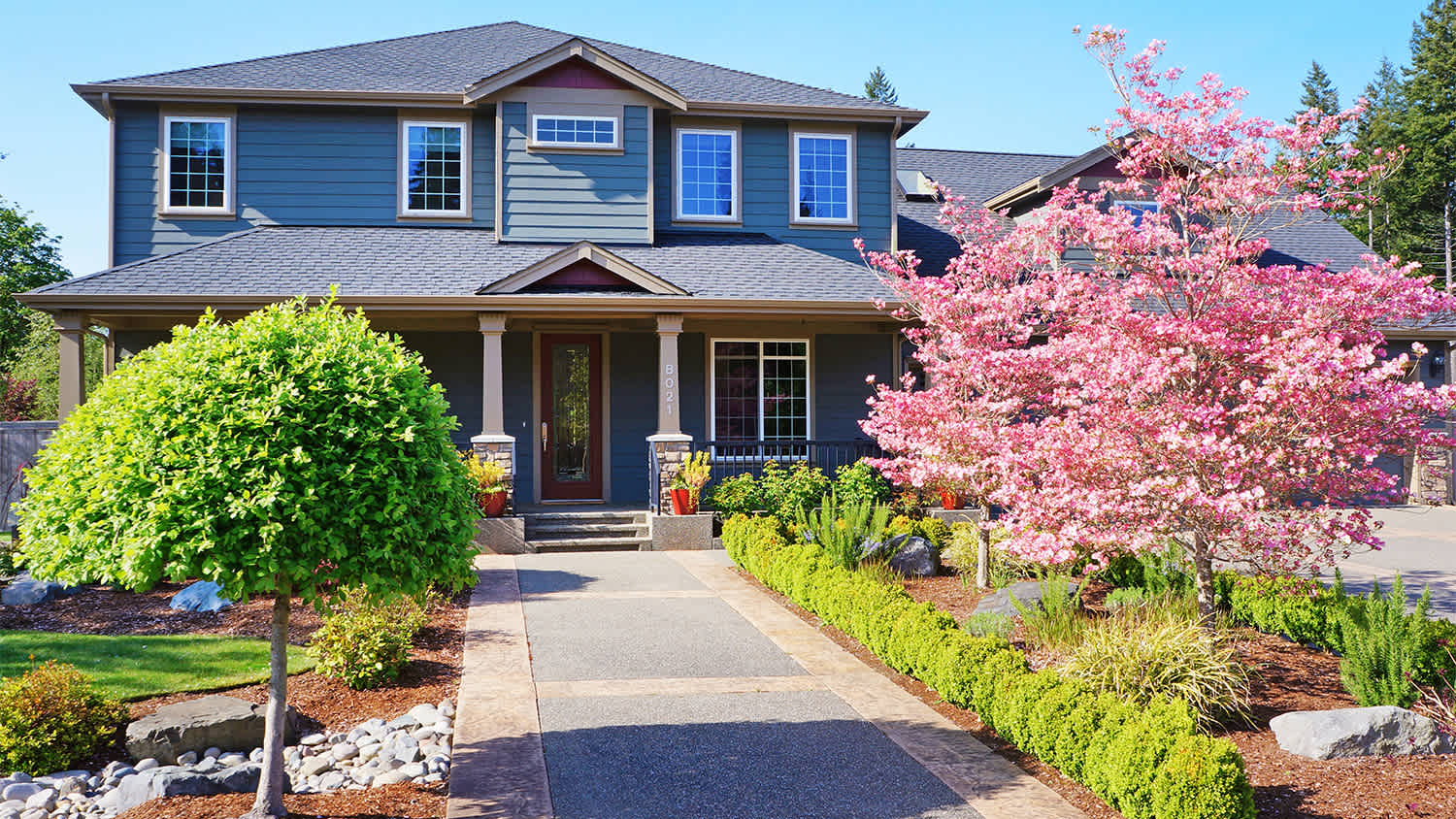
A landscape designer can elevate your outdoor space and bring your vision to life. Use this landscape design cost guide to budget for your next project.
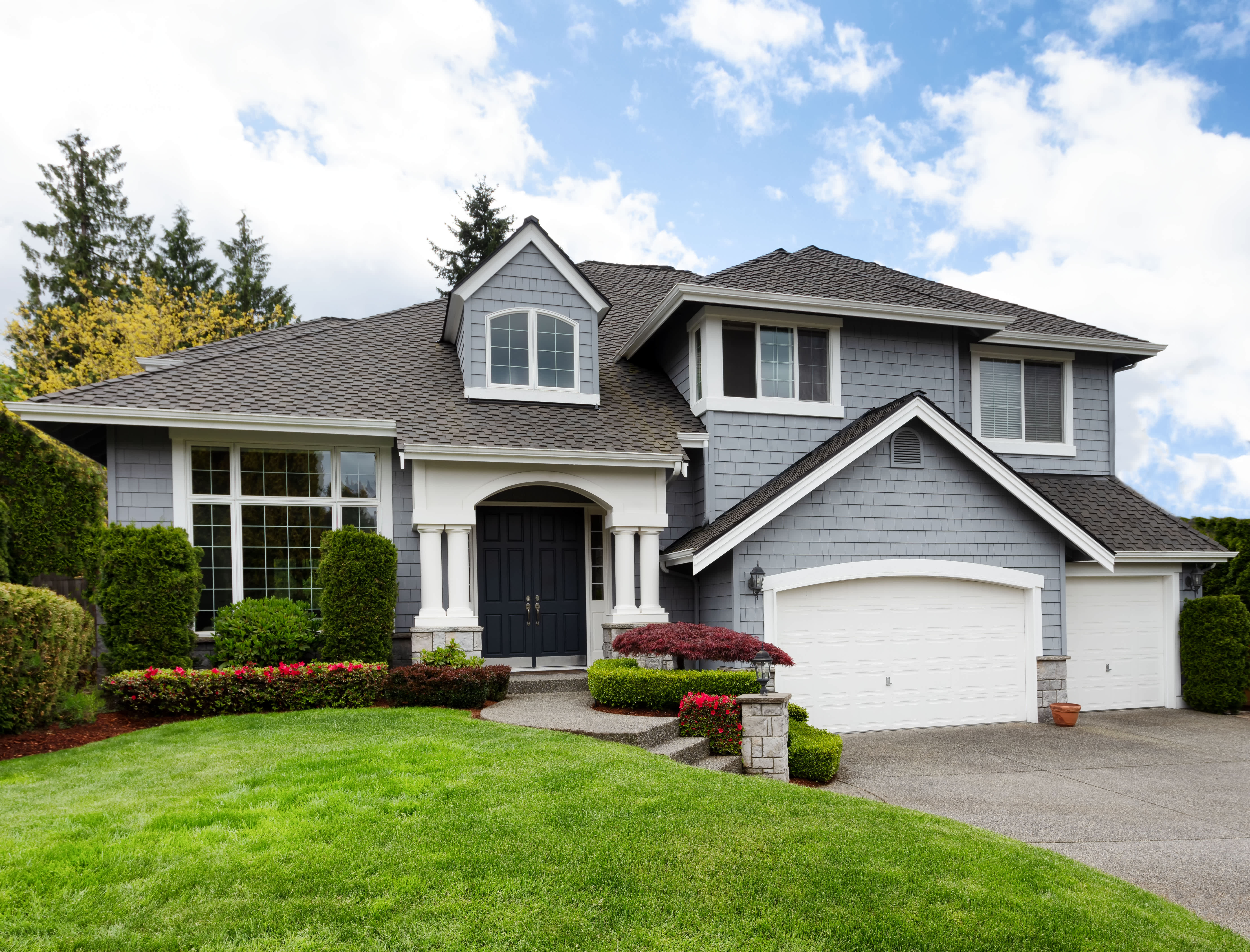
Landscape curbing can really improve the look of a yard, but at what cost? Find out how much it costs and the different ways you can do it
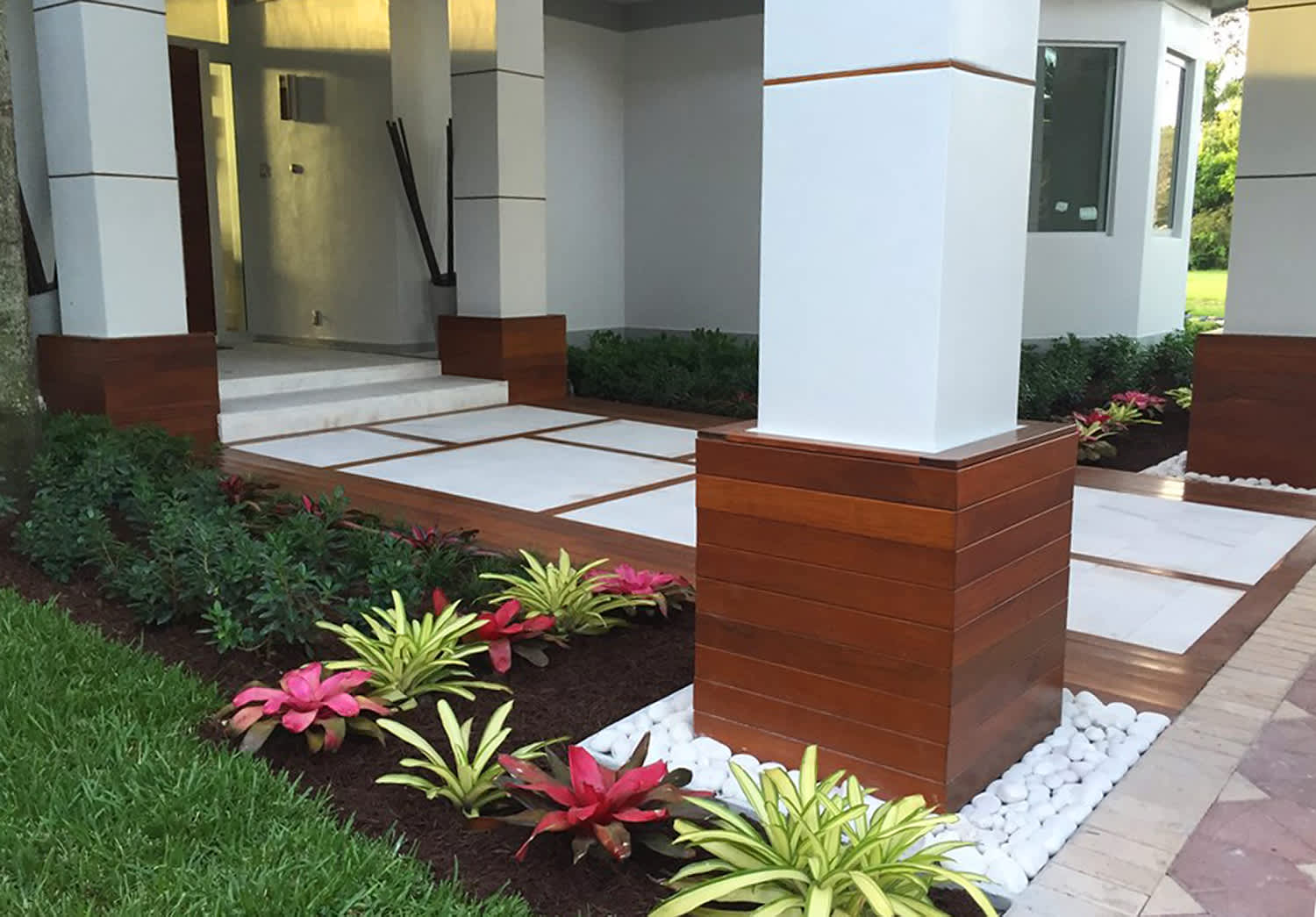
Is it time for a landscape glow-up? Check out these 47 landscaping ideas that show off your one-of-a-kind lawn and gardening style.
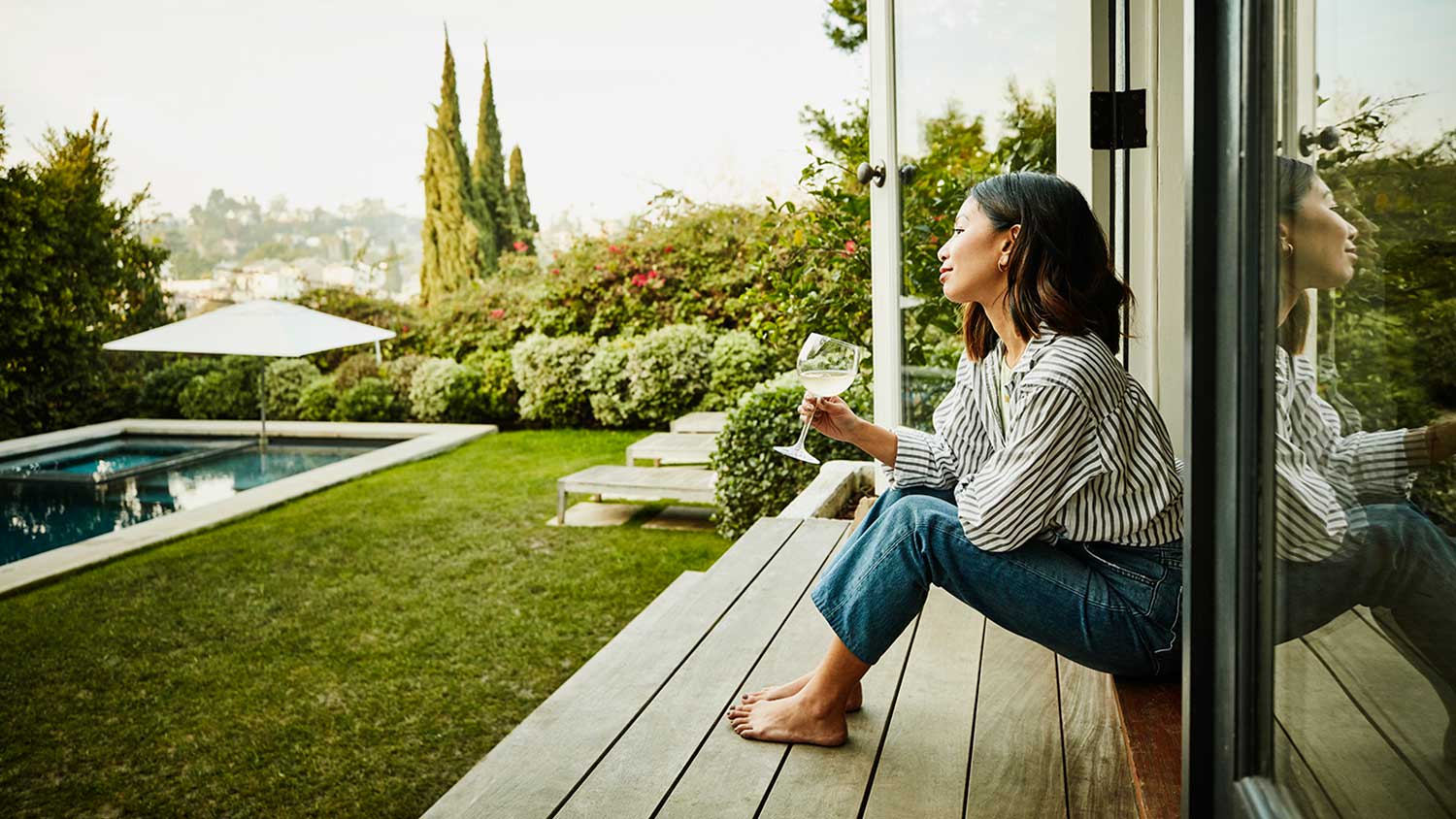
Your yard can be a functional, appealing extension of your home. Learn how to design a landscape that brings out the beauty of your property.
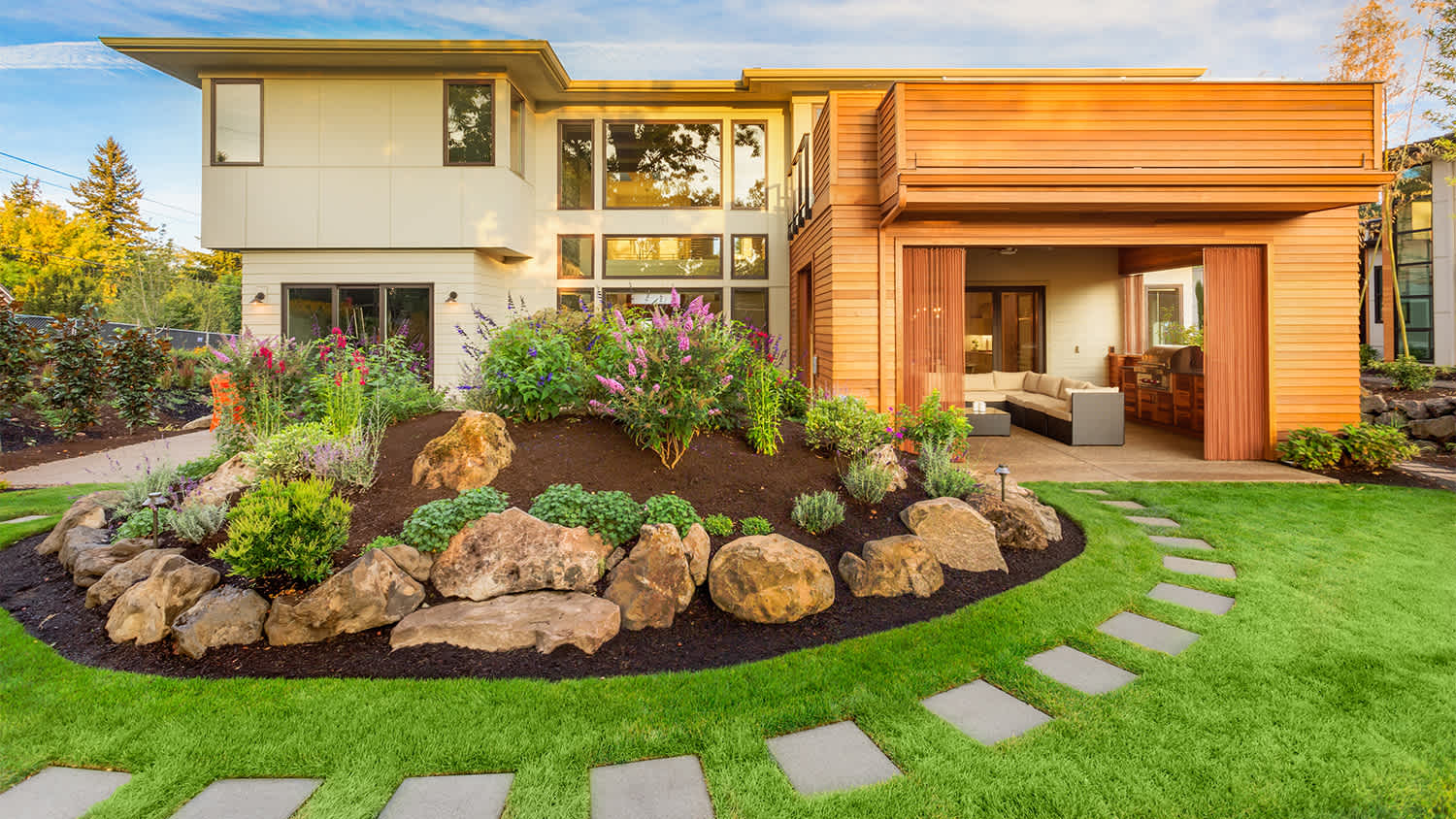
When you’re ready to get your design ideas out of your head and into a landscape design plan, it’s time to learn the key landscaping parts.