
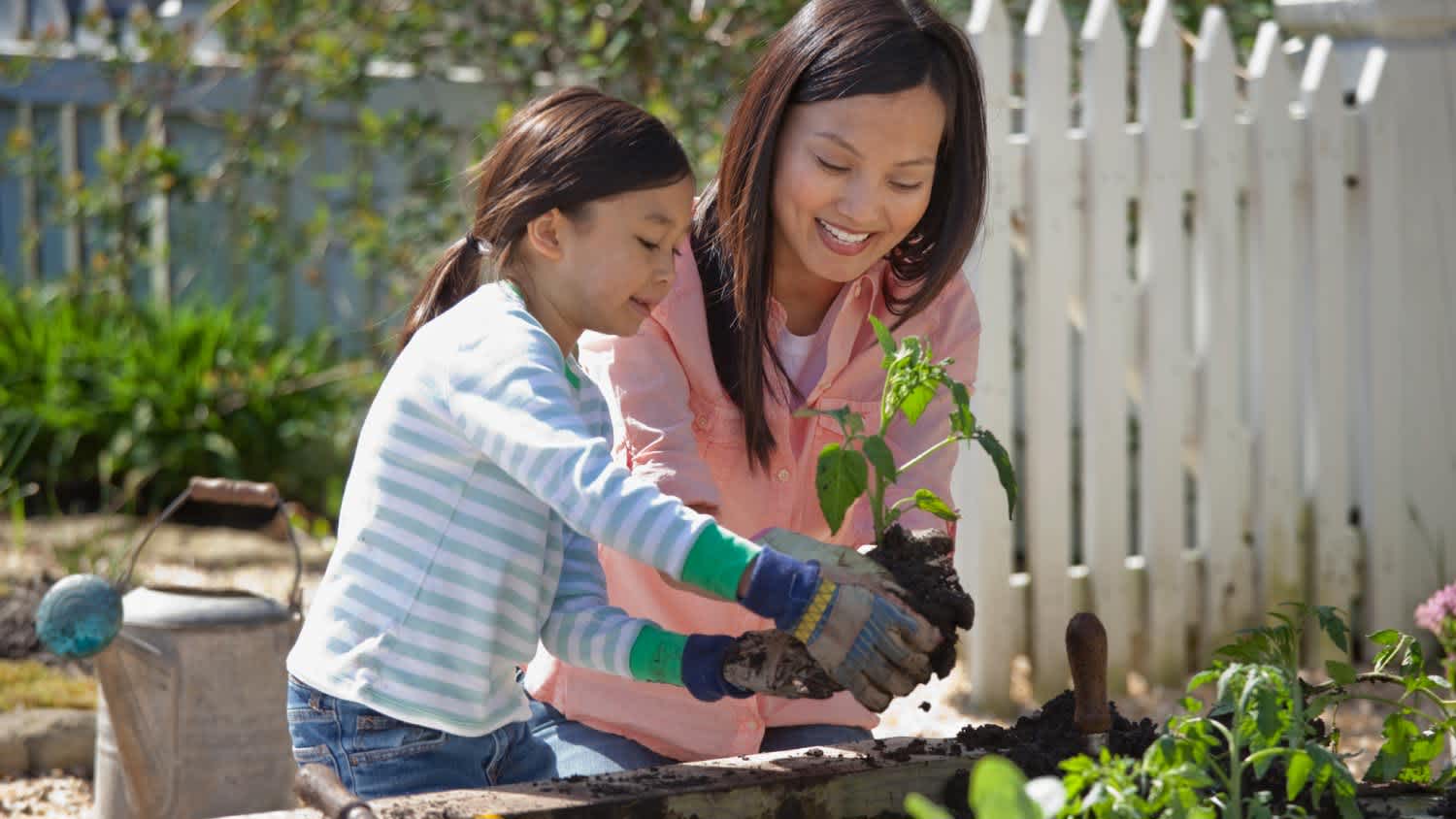
The best soil for growing plants depends on the plant. Whether it’s a raised bed or houseplant, it’s important to have the right soil.
Picking the best plants for ground cover can up your curb appeal, support a habitat for pollinators, and go a long way towards helping you fall in love with the outside of your home all over again


The best plants for full shade include hostas, periwinkle, and mondo grass, which thrive in areas where grass struggles and require minimal maintenance once established.
Ground cover plants like ajuga and sedum add contrast and texture to your yard while preventing erosion on steep hills and filling spaces between pavers naturally.
You can choose fast-growing options like creeping thyme or sweet woodruff to quickly cover problem areas and crowd out weeds in shady or sunny spots.
Hiring a local plant watering professional provides helpful guidance on selecting the right ground covers for your specific climate and ensuring they get established successfully.
While grass may be a good way to fill an empty space in your yard, ground cover plants can be a prettier option. There are a lot of choices when choosing the best plants for ground cover. But which ones are right for you? Here’s a look at the most popular ground cover plants, including USDA growing zones, and whether they need full or partial sun.
These seven low-growing plants are some of the most popular ground covers for anyone who wants to be the envy of the neighborhood. Keep in mind that, although most of these plants are tolerant, they still need your tender loving care to thrive, especially in the first year or two, until they are well-established.
Low-growing creeping thyme thrives in full sun. In the late spring, tiny white and purple flowers bloom, making creeping thyme the perfect plant for pollinators. It is cold-weather tolerant and spreads quickly. Plus, you can use the leaves from some varieties to season your favorite lemon thyme rice recipe.
USDA growing zones: 4 to 9 (depending on variety)
Sun exposure: Full sun to part shade
Height: 2 to 6 inches tall
Width: 6 to 18 inches wide
Best for: Tight areas or to fill in the spaces between pavers
Ajuga is also known as "carpet bugleweed,” and it’s easy to see why it’s considered one of the best ground cover plants. It grows in almost any climate and tolerates both shade and sun, making it a low-maintenance ground cover option. Its glossy leaves are bronze, deep green, and brown.
“These lovely ground cover plants provide pops of contrast across several zones, making them an excellent choice for many homeowners,” says Tara Dudley, owner of Plant Life Designs.
In the summer months, ajuga grows small spikes of purple, blue, pink, and white flowers. It’s slow-growing and a beautiful accent that your neighbors will envy.
USDA growing zones: 4 to 9 (depending on variety)
Sun exposure: Sun to shade
Height: 6 to 12 inches tall
Width: Spreading
Best for: Ground erosion on steep hills or adding contrast to the perennial border with its dark foliage
Sedum is a low-growing ground cover with thick leaves and small flowers ranging from chartreuse to bronze. The leaves retain enough water to survive through droughts and dry spells. But you’ll need to plant it in full sun to witness the blooms. Also, there are two types, low-growing and upright, which is more of a bush.
USDA growing zones: 5 and colder
Sun exposure: Full sun
Height: 2 to 6 inches tall
Width: 6 to 2 feet wide
Best for: Decorative borders and attracting pollinators

A popular ground cover in the southern U.S, mondo grass is a resistant, pet-friendly plant that can stand up to most anything, including pesky pests and deer. It grows in clumps, has small, white flowers that appear in summer, and doesn’t take much care to keep it looking good. This plant needs watering, however, and prefers partial sun to shade.
USDA growing zones: 6 to 10
Sun exposure: Partial sun to shade
Height: 2 to 6 inches tall
Width: 6 to 18 inches wide
Best for: Shady spots around the base of trees or as a garden border
Periwinkle has flowering plants with variegated foliage. These dwarf shrubs require regular pruning to keep them from taking over your yard but grow in areas where grass won’t grow. Periwinkle does very well in the shade and under trees. Its bluish-lavender flowers bloom in spring and remain in bloom during the summer months.
USDA growing zones: 4 to 8
Sun exposure: Full sun to full shade
Height: 3 to 6 inches tall
Width: Spreading
Best for: Under trees or where grass won’t grow
Many people use chamomile (the German version) to make tea, while Roman chamomile makes a beautiful ground cover around a walkway or bordering a planter. Both are low-growing and fragrant but can grow up to 24 inches tall in the best conditions.
They have white daisy-like flowers with a yellow center that bloom quickly, making them a popular ground cover plant for homeowners. Best planted in the spring, they thrive in full sun.
USDA growing zones: 2 to 9
Sun exposure: Full sun
Height: 8 to 24 inches tall
Width: 8 to 12 inches wide
Best for: As a border along a walkway
Hostas are a favorite plant of most gardeners, mainly because they are so hardy and can sometimes outlive even the worst gardener. No green thumb needed to grow this ground cover. This plant can brighten even the shadiest spots and add texture and color to your garden with purple, white, pink, and blue flowers. They are shade-tolerant but also can do well in partial sun.
USDA growing zones: 3 to 9
Sun exposure: Partial sun to full shade (depending on variety)
Height: 18 to 20 inches tall
Width: 35 to 40 inches wide
Best for: In gardens or moist, shaded areas
Whether you DIY or hire a garden designer, fast-growing ground covers are a great choice. The fastest-growing ground covers are low-maintenance and crowd out weeds. They do best in places where nothing else grows—you know, those problem areas that are a thorn in your side. Here’s a look at some of the best options for fast-growing ground covers.
Small pink flowers
Drought-resistant
Gives off a peppery fragrance when walked on
USDA growing zones: 5 to 9
Best in moist, shady areas
Small white flowers in spring and summer
Smells like fresh hay
USDA growing zones: 4 to 8 (heads up: this groundcover can spread aggressively)
Easy-to-care-for ground cover
Grows best in full sun and hot areas
Drought-resistant
USDA growing zones: 4 to 9
Also known as moss pink or creeping phlox
Deer, erosion, and drought-resistant
White, red, pink, blue, and purple varieties
USDA growing zones: 5 to 9
Shaggy ground cover with vibrant, yellow flowers and bright chartreuse foliage
Prefers to grow in wet areas
Covers large areas quickly
USDA growing zones: 4 to 9

If you prefer not to mow any more grass than necessary and want to add a bit of color to your yard, pathway, or at the base of trees, you might consider these popular flowering ground covers that thrive in both sun and shade.
Individual white flowers with dark green leaves
Full sun to part shade
Prefer moist soil
USDA growing zones: 3 to 8
Pink blossoms bloom from May to July with beautiful variegated foliage throughout the growing season
Prefers the shade
Likes cool, low-humidity areas
USDA growing zones: 4 to 9
Scented, two-toned flowers in shades of blue and purple
Full sun to partial shade
Average watering needed
USDA growing zones: 3 to 8
Tiny, bright blue flowers
Partial shade
Needs well-drained soil
USDA growing zones: 6 to 8
Purple, white, pink, and yellow trumpet-shaped flowers
Grows best in part to full shade
Moist, well-drained soil
USDA growing zones: 2 to 10
If you live in climates where temps can dip below freezing, you may wonder if there are ground covers that will bloom again in the spring. Thankfully, there are plenty of options for the cold zone gardener. Here are the best cold-hardy ground covers.
Kids love the soft, velvety leaves that look like lamb’s ears
Like aloe, you can use the leaves to take the sting out of bee stings
Produces pink and purple flowers in the summer
USDA growing zones: 4 to 8
Easy to grow
Full sun to partial shade
Slightly moist soil is best to bring out the red in the leaves
USDA growing zones: 4 to 8
Spreads quickly where nothing else grows
Yellow and green flowers that resemble buttons bloom in the spring
Fares better in partial shade
USDA growing zones: 5 to 9

Low maintenance is one of the reasons why people like ground covers. After all, if you like to mow, you can just plant more grass. These popular low-maintenance ground covers will grow well even when neglected because they require next to nothing in care.
Best known for vibrant foliage; silver, green, or brass
Small pink flowers bloom in late spring
Deer and critter resistant
USDA growing zones: 4 to 9
This succulent can thrive even in the driest settings
Bluish-green leaves with yellow buds that bloom in spring
Best for rock gardens or walls
USDA growing zones: 3 to 9
Bold blue flowers that attract butterflies
Natural deer repellent
Likes full sun and can withstand hot temps
USDA growing zones: 6 to 8
Whether you’re a novice gardener or a master horticulturist, ground covers can be an excellent substitute for grass, bushes, or other greenery. Ground cover plants will add eye-popping color to your walkways, do well in the sun and shade, and require little effort on your part.
Not sure you have a green thumb? Hire a local gardening pro in your area who can add a pop of color to your yard, so you can stop and smell the roses.
Custom Paint Jobs LLC made our home feel like a piece of art. Thank you for your creativity!
 Custom Paint Jobs, LLC
Window Depot did an amazing job on my deck. I wasnt sure what I wanted to do, but their composite decking was affordable and will last a long time. I am excited to have family over, and I am no longer embarrassed by my backyard. Jeff and the ground crew were polite, respectful, and caring for...
 Window Depot USA of Central Ohio
First of all, the gentleman I dealt with (Cam?) was very responsive to my many questions and concerns throughout the project, which is a huge plus to me. From the first time I met him for the estimate all the way til the completion of the job, he and his crew were professional and respectful....
 All Star Paving and Sealing
We had a 20+ year old landscape lighting system that needed replacement. Midwest Lightscapes worked with us to design a much improved lighting system, lighting the exterior of the house and the back yard. Installation of the 45 light system took one and one-half days, and went very smoothly....
 Midwest Lightscapes
Another great success for me on home advisor. This company did an awesome job on my landscaping and stayed within my budget. The best part, the work was complete within 2 days of my initial request. Professional and responsive. I highly recommend!
 Blue Ring Residential Services, LLC
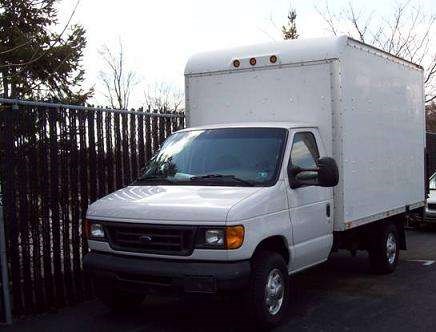
The company no showed on me twice. The 2nd time was no call no show. They were responsive to set up the first appointment to perform the "landscape cleanup". 3 hours after their initial scheduled appointment time they called me to let me know they had some "problem" with the truck and their...
 Ruby Home and Hauling Services
Received ideas for future landscape plans...quote to do the work seemed a bit high but I did not have any other quotes to compare it to, so perhaps that is the going rates. <br />
 Landscapes By Terra, Inc
All around they have done a really great job. <br /> I have used JL Landscapes for the past 8 years. I own and operate my own commercial/residential real estate company where we own, operate, and maintain our own properties. JL Landscapes has been our exclusive landscaper for both our...
 J.L. Landscapes
Bought a half a cord of firewood from Pitzer with stacking last month. I waited to report so I could see how the wood burned. <br /> <br /> I have three pet peeves regarding landscapers, but Pitzer scored "A"s regarding all three. First, rather than having customers "leave a message" and...
 Pitzer Landscaping
I left a message on Sunday requesting to schedule a time to obtain an estimate/walk-through and received a return call in the morning of the following Monday. Mark worked with me and agreed to schedule the estimate/walk-through for the following Saturday. When Mark arrived for the...
From average costs to expert advice, get all the answers you need to get your job done.
The best soil for growing plants depends on the plant. Whether it’s a raised bed or houseplant, it’s important to have the right soil.
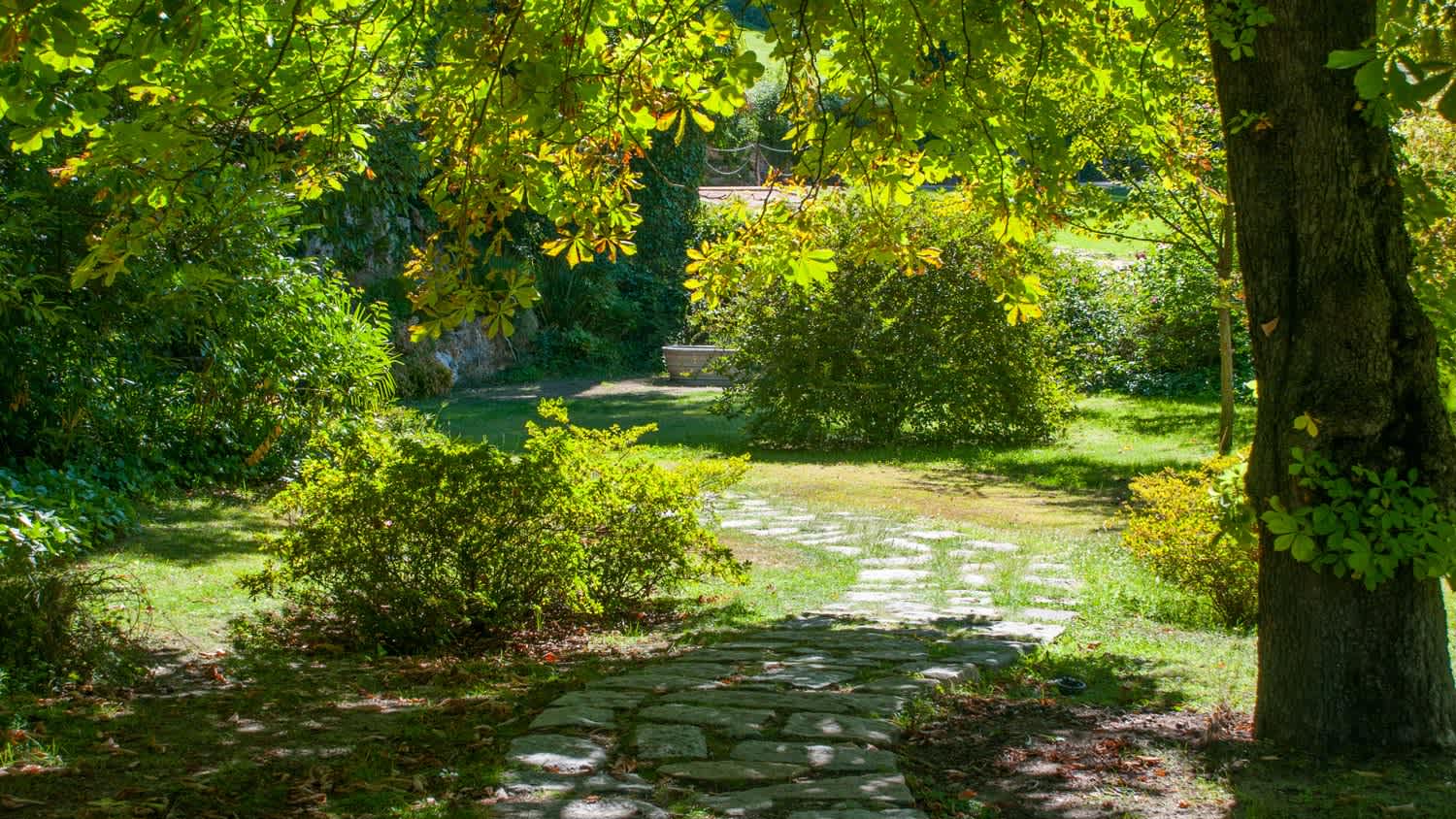
Are you looking for plants to include in your shaded gardens? Read on for the best varieties to choose.
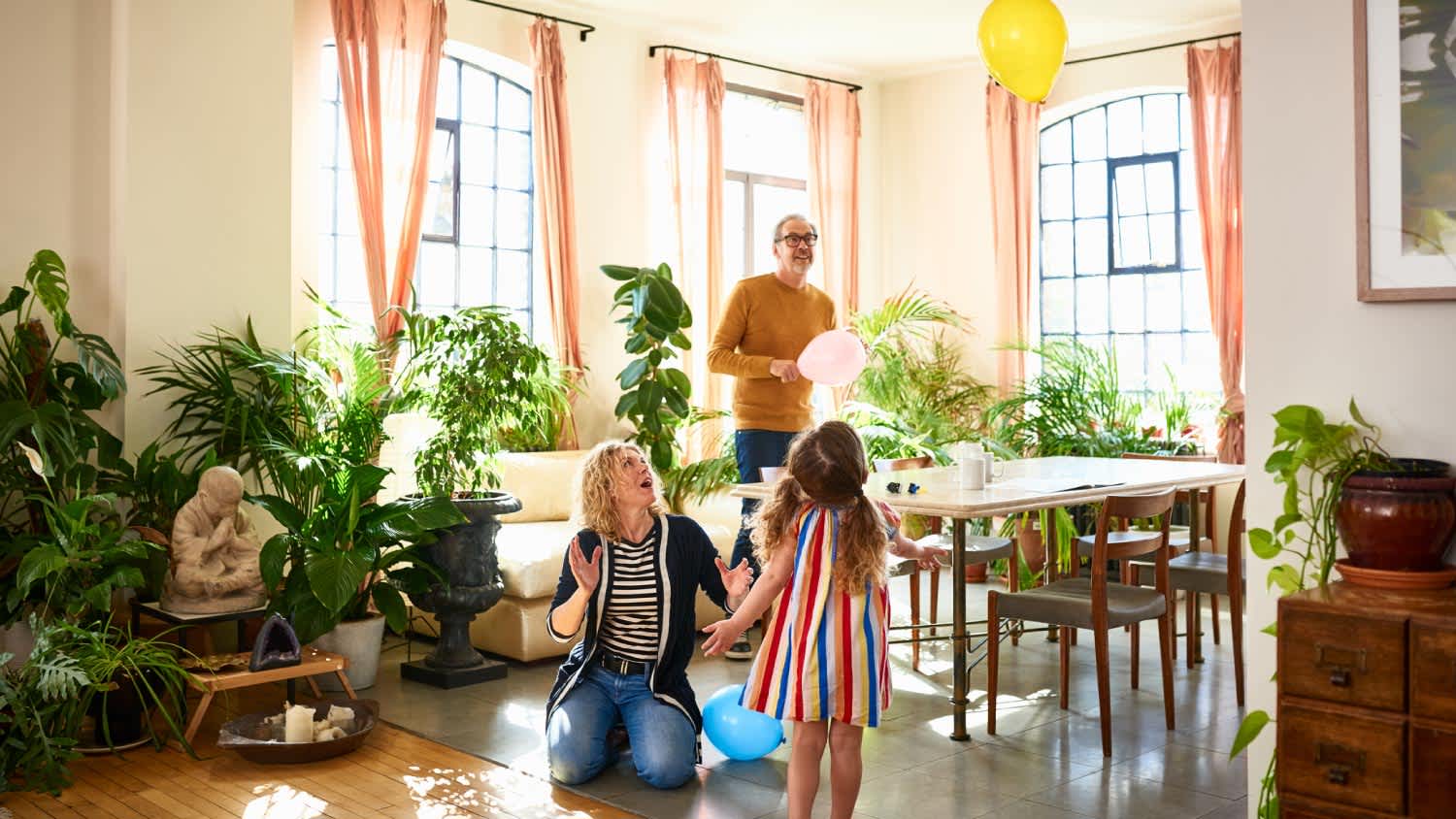
Want to add more plants to your home? Here are the best plant types for each room—from the bathroom to the bedroom.
If you want a great garden year after year, this guide will show you the best perennials for butterfly gardens, xeriscapes, and beyond.
Exposed tree roots occur when there is a lack of oxygen in the soil. Wondering what to do with tree roots above ground? Find out more.
Just because your front yard is compact doesn't mean it can't still be packed with personality. Check out these small front yard landscaping ideas that have a big impact.