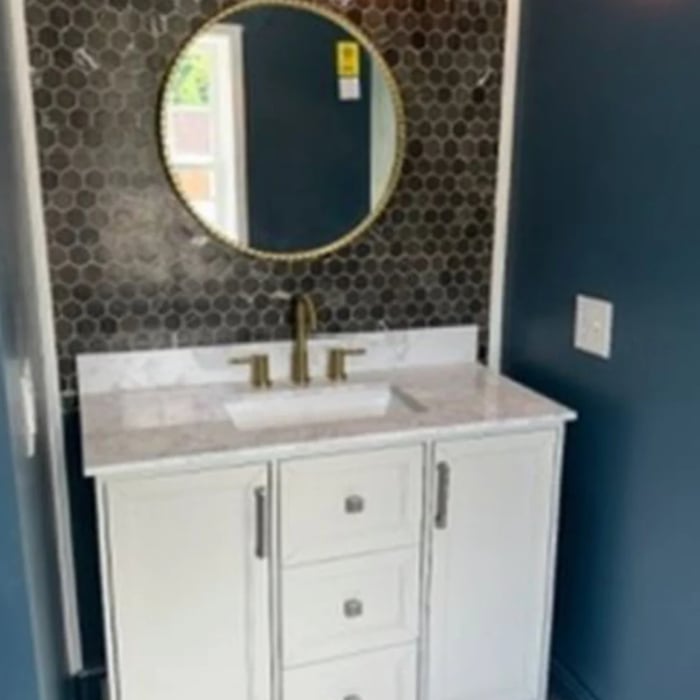



Top-rated excavation pros.

Get matched with top excavation pros in Ona, WV

Enter your zip and get matched with up to 5 pros

Need a pro for your excavation project in Ona, WV?

Select your specific project to find the pro for you.

TRUSTED BY ONA, WV HOMEOWNERS

  • Average homeowner rating star icon3.9
    Average homeowner rating
  • Verified reviews icon10
    Verified excavation services reviews

Find Excavation pros in Ona

Avatar for Adkins Plumbing
Adkins Plumbing
4.3(
48
)
Building Site - Preparation and ClearingBuilding Site - Preparation and Clearing - For BusinessExcavation - Major Grading or Resloping+2 more

Serving Ona, WV and surrounding areas

Free estimates

Emergency services offered

Credit card accepted

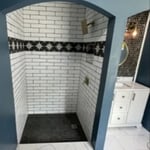
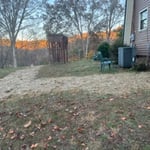
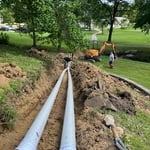
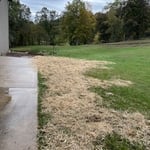
"Excellent Service. Jared and his crew were very professional, walked through the entire install prior to work. The excavation was performed with care to our property, they reseeded the grass afterwards. They permanently marked were each fitting along the run is located, so we know where to check if the line leaks years into the future. Professional, Friendly, high Quality. This will be the go to plumbers for all future jobs!"
Plumbing Project
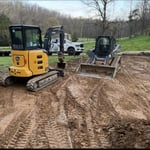
Excavating Project
Plumbing Project
Plumbing Project
Plumbing Project

+4

Recommended by82%of homeowners
Showing 1-10 of 38
Excavating questions, answered by experts

The cost to repair a crawl space runs between $1,500 and $15,000, depending on the extent of the damage. Major flooding or water repairs can cost up to $10,000 for removal and repairs. If you simply need to clean your crawl space, expect to pay between $2,000 and $6,000 for a major cleanout. Replacing a crawl space beam due to rot or damage can cost between $1,500 and $5,000, while removing and replacing damaged insulation costs between $1,000 and $4,000.

Digging a bush up by the roots is the most natural DIY method for removing a bush stump. Start by identifying the shrub type and revealing its roots. Cut the shrub to its base and loosen the soil, ensuring no utility lines are nearby. Optionally, treat the base with herbicide, then dig around the roots and cut a circle around the shrub using various tools. Dig a trench, cut the base of the root ball, and finally fill the hole to prevent regrowth. This thorough process ensures complete removal without damaging surrounding areas.

Call 811 to locate and mark the gas lines at least three days before digging. In many areas, you can dig within 18 inches of the lines, though in some locations, the distance may be further. Check local regulations, as you may need a utility company representative onsite when digging. Document your calls to 811 and precautions taken to avoid gas lines. A homeowner can be held liable for hitting a gas line in some cases, but contacting the proper authorities and following all guidelines can offer protection.

The easier way to find buried sprinkler lines is to use the plan from the professionals who installed the system. If you don’t have professional plans, listen for running water on your lawn when you turn on the system. You may also spot wet areas, giving you an idea of where the heads are. Once you find the sprinkler heads, you’ll likely be able to connect the dots between them, revealing the system below.

As a general rule, the protected area should be about 1½ times as wide as the canopy of the tree’s leaves. This digging measurement can vary by tree species and the age of the tree. Of course, that can be a lot of fencing for larger trees, which is why our first step is about making difficult decisions on which trees to save.

The Ona, WV homeowners’ guide to excavation services

From average costs to expert advice, get all the answers you need to get your job done.