






Top-rated excavation pros.

Get matched with top excavation pros in Chesapeake, OH

Enter your zip and get matched with up to 5 pros

Need a pro for your excavation project in Chesapeake, OH?

Select your specific project to find the pro for you.

Find Excavation pros in Chesapeake

Avatar for J&H Excavating, LLC
J&H Excavating, LLC
4.8(
5
)

Serving Chesapeake, OH and surrounding areas

Approved

In business since 2020

Free estimates

Customers say: True professional

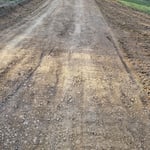
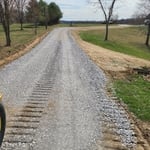
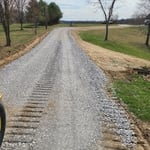
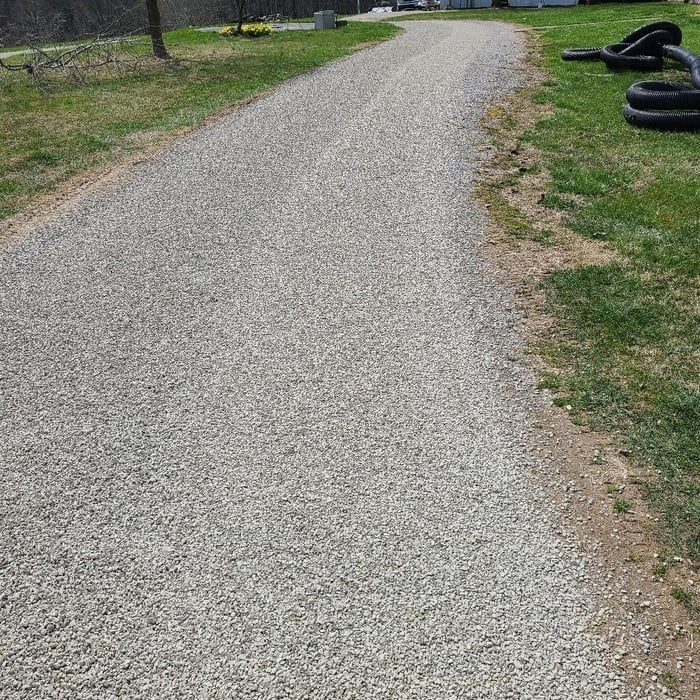
"Everything went great! Professional team, great knowledge, easy to work with, explained what happening and why. Work looked great afterwards and driveway functioning better than expected after recent heavy rains."
Excavating Project
Excavating Project
Additional Photos
Additional Photos
Additional Photos

+13

3 neighbors recently requested a quote
Recommended by100%of homeowners

Avatar for DirtyWork
DirtyWork
New to Angi

Serving Chesapeake, OH and surrounding areas

Approved

Free estimates

Small jobs welcome

Credit card accepted

DirtyWork Excavation offers Land Clearing, Excavation work, Driveway repairs and many other services. We are Licensed and Insured, and have the reliability and ability to perform jobs, small and large.

Driveway repair
Driveway repair
Driveway repair
Iowa project
Iowa project

+2

7 neighbors recently requested a quote
...
Showing 1-10 of 51
Excavating questions, answered by experts

Yes, most services include site leveling and foundation work. Confirm with your contractor for specifics.

Sewer lines can be buried anywhere from 18 inches to 8 feet deep, with a common average depth between 18 and 30 inches. The exact depth depends on local factors like climate and soil type. In colder regions, pipes must be buried deeper (below the frost line) to prevent freezing, sometimes as deep as 8 feet. The digging depth can also impact the cost of sewer line replacement. To find the specific depth for your property, you can check the building plans for your system, which should be on file with your city or local sanitation department since permits are required for installation.

Yes, you can technically make a crawl space liveable, but the only way to do so is by converting it into a basement. While some crawl spaces are big enough to walk through and store large items, they lack appropriate insulation and space to be liveable.

The easier way to find buried sprinkler lines is to use the plan from the professionals who installed the system. If you don’t have professional plans, listen for running water on your lawn when you turn on the system. You may also spot wet areas, giving you an idea of where the heads are. Once you find the sprinkler heads, you’ll likely be able to connect the dots between them, revealing the system below.

The best type of soil to build on is a mixture of sand and clay, known as loam soil. Loam soil has the best combination of these soil types to build a foundation on. The clay particles help with water retention, so it won’t erode like sandy soil might, and the sandy particles help with drainage, so you won’t see unsafe soil expansion or have an increased risk of leaks from water sitting against your foundation.

The Chesapeake, OH homeowners’ guide to excavation services

From average costs to expert advice, get all the answers you need to get your job done.