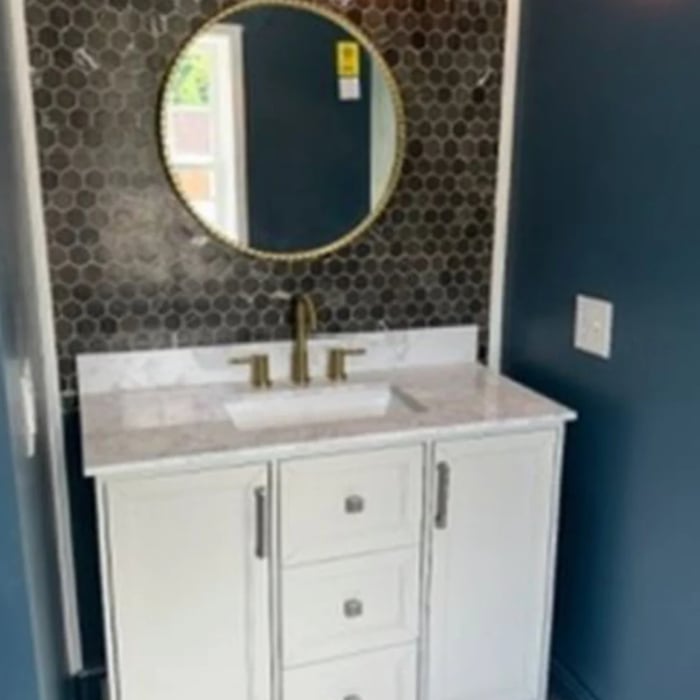
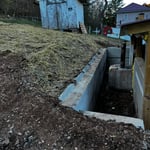
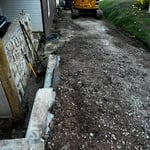
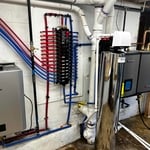
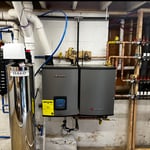
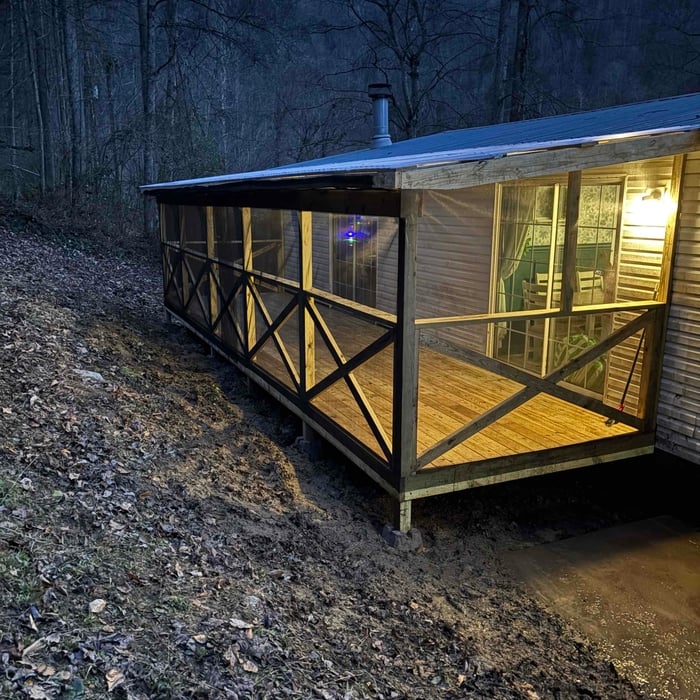
Excavating Contractor, General Contractor, Plumbing Contractor & Specialty Contractor ! Retaining walls, French drains, Home Land seats, Driveways & Culvert Drain pipe installation, New Home builds, Deck builds, New roof replacements, Concrete, Water, Sewer, Gas service lines (From Home to Street) , Water heater (Tank &Tankless) Instillations, Camera Inspections, Bathroom Remodels, Home remodels , Water Purification System installations, Repiping ( Water,Sewer,& Gas line) Septic Tank & leech bed Installation and Much much more. Feel free to contact us for all of your contractor needs! 304-533-6321
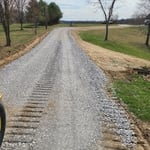
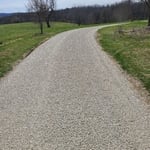
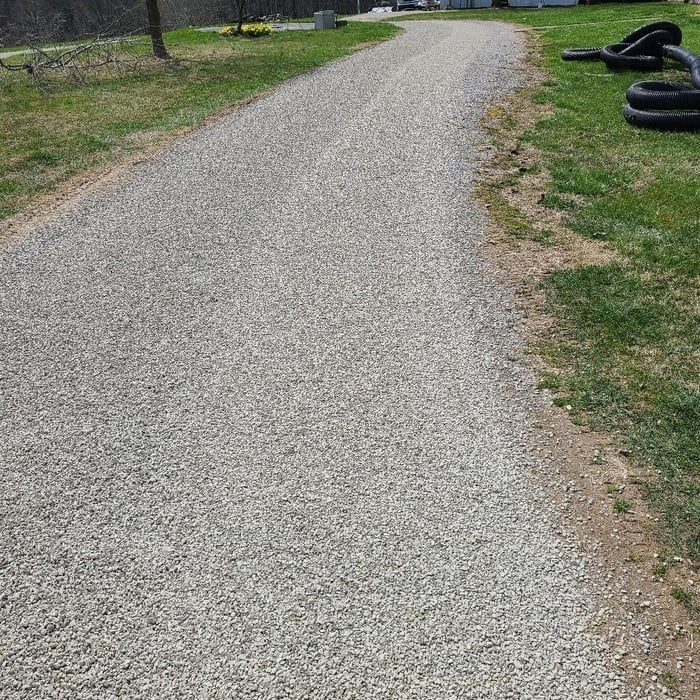
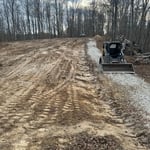
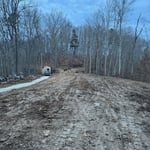
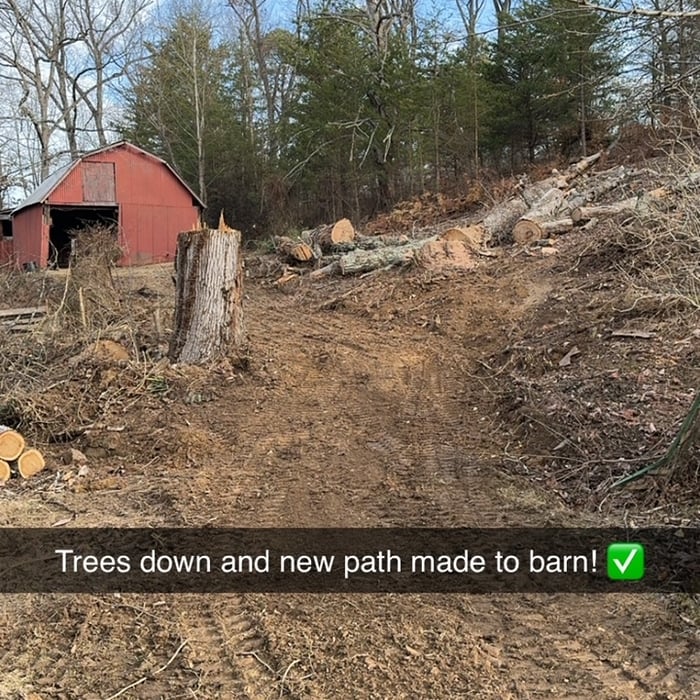
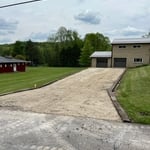
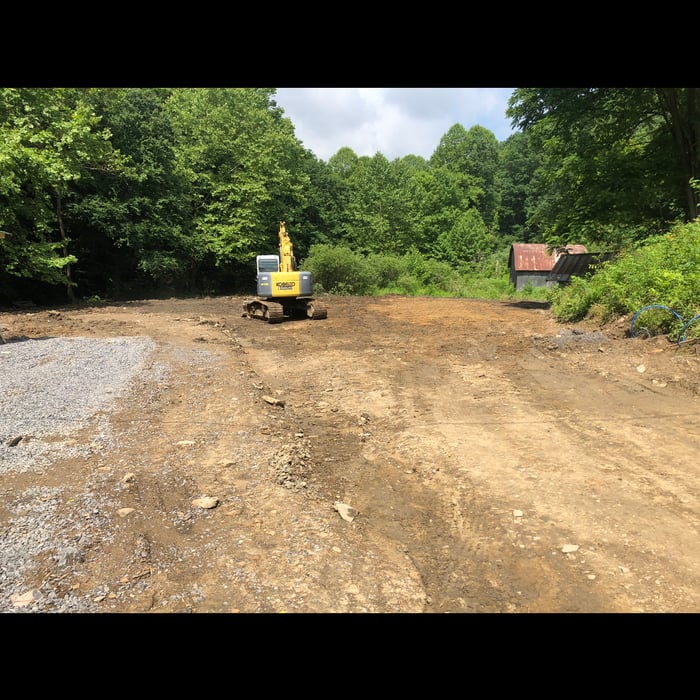
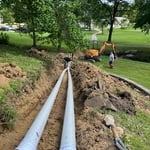
"J&H excavating traveled up to Columbus to tackle this 3,000 foot driveway project. J & H provided constant communication throughout 3 different phases of the project, and worked great in conjunction with the other contractors on the job."
At JMK Tree Service and Excavation we take great pride in our experience, expertise, quality, and customer service that we provide to meet the consumer's needs. It is our mission to provide excellent workmanship and complete customer satisfaction, from the start to the completion of a project. In order to understand the needs and expectations of our customers, we take great care to work and communicate with every customer in a professional and friendly manner. Our reputation is based on service, safety, and quality, regardless of how large or small the job. We accept Cash, Check, Facebook Pay & Cash App
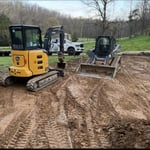
We provide professional excavation and sitework services for residential and commercial properties throughout West Virginia. Whether you're preparing a site for new construction, solving drainage issues, stabilizing a hillside, or repairing a failing foundation, our experienced team delivers dependable workmanship built to last.\n\nOur services include excavation, retaining wall installation, yard drainage solutions, grading, foundation repair, land clearing, trenching, and erosion control. We take pride in using quality materials, modern equipment, and proven construction methods to protect your property and improve its long-term stability.\n\nFrom small residential projects to large-scale site development, we are committed to honest communication, reliable service, and exceptional results. Contact us today for a free estimate and let us help build a solid foundation for your next project.
"Very Professional, showed up on time. They are great at turning your ideas into reality and going through the process step by step. I will definitely be going with them with any excavation projects"
"Excellent work. The job was done quickly too. They are very neat and efficient. I highly recommend them to do any type of excavation, gravel and drain work."
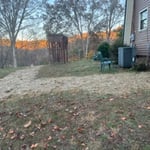
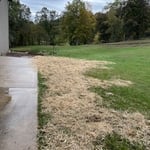
"Excellent Service. Jared and his crew were very professional, walked through the entire install prior to work. The excavation was performed with care to our property, they reseeded the grass afterwards. They permanently marked were each fitting along the run is located, so we know where to check if the line leaks years into the future. Professional, Friendly, high Quality. This will be the go to plumbers for all future jobs!"
"Excellent Service. Jared and his crew were very professional, walked through the entire install prior to work. The excavation was performed with care to our property, they reseeded the grass afterwards. They permanently marked were each fitting along the run is located, so we know where to check if the line leaks years into the future. Professional, Friendly, high Quality. This will be the go to plumbers for all future jobs!"
There are many ways to cut through roots when digging, especially if your trencher doesn’t seem to be removing the roots. First, use a shovel to expose the roots. Then, use gardening shears to clear out smaller roots or a reciprocating saw to remove larger plant roots. If you plan on keeping the plant, avoid cutting any roots over 2 inches thick.
Water lines are buried at various depths, depending on the type of line. For example, most sprinkler lines are buried between four and 12 inches underground. On the other hand, water mains usually sit between one and 3 feet below ground. However, they can go even deeper in cold climates to prevent freezing.
Prior to excavation, you should prepare the dig site and call 311 before you sign anything.
To get your site ready for excavation, you should move anything in the area that isn’t affixed to the land. You can save money on the excavation by removing hardscaping, including walkways, decks, concrete patios, and paver patios.
Before you carry out any digging, you should call 311 to confirm that there are no utility lines running through your excavation site. Skipping this step could lead to severe injury and property damage if your excavator hits a water, sewage, or gas line.
You do not have to dig footers for a deck as long as it meets local code and holds up to weather in your area. If you live somewhere that experiences high winds and earthquakes, you may need to dig for your deck posts. Deck blocks, post anchors with base plates, and helical pile systems are the three no-dig deck post options you can choose from if local code permits.
Excavation is priced in cubic yards, so you’ll need to find the volume of the area in order to calculate costs. Multiply the length, width, and proposed depth of your excavation site, then convert it into yards to get the volume. Multiply this figure by the price per cubic yard.
Most homeowners can measure by hand to get a rough estimate, even if it’s tedious. You may want to pull out a tape measure or use a string to help mark the area.
The Milton, WV homeowners’ guide to excavation services
From average costs to expert advice, get all the answers you need to get your job done.
Excavation costs $1,500 to $6,300 for most residential projects—but it depends on factors like the size of the area. This guide will help you plan a budget.
You can't have an in-ground pool without digging into the ground. How much does pool excavation cost, and can you take it on yourself? Our guide explains.
Picking the right pro can make or break your project. Learn how to hire an excavation pro with the qualifications and skillset to do the job efficiently.