Top-rated excavation pros.

Get matched with top excavation pros in Culloden, WV

Enter your zip and get matched with up to 5 pros

Need a pro for your excavation project in Culloden, WV?

Select your specific project to find the pro for you.

TRUSTED BY CULLODEN, WV HOMEOWNERS

  • Average homeowner rating star icon4.5
    Average homeowner rating
  • Verified reviews icon22
    Verified excavation services reviews

Find Excavation pros in Culloden

Avatar for Adkins Plumbing
Adkins Plumbing
4.3(
48
)
Building Site - Preparation and ClearingBuilding Site - Preparation and Clearing - For BusinessExcavation - Major Grading or Resloping+2 more

Serving Culloden, WV and surrounding areas

Free estimates

Emergency services offered

Credit card accepted

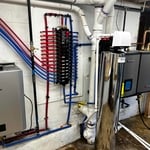
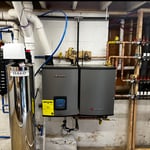
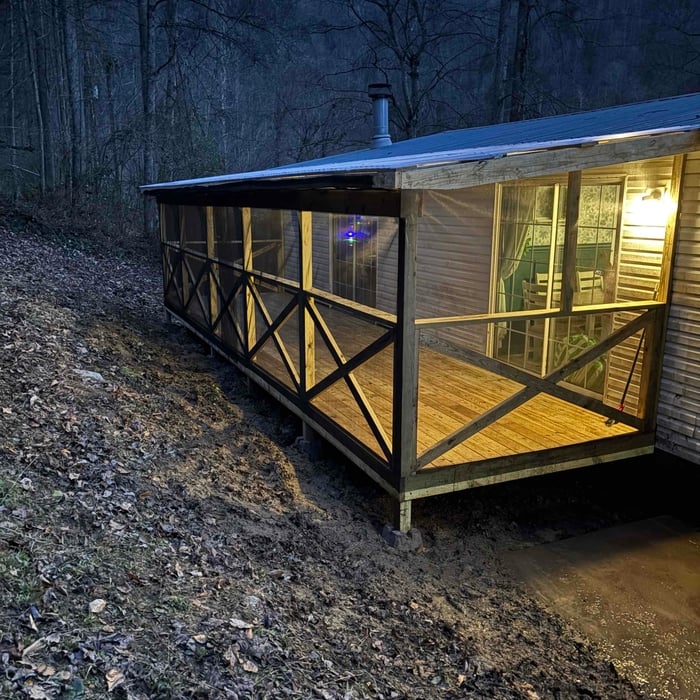
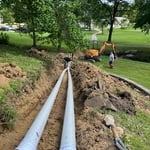
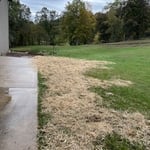
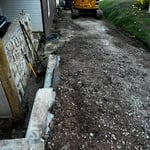
"Excellent Service. Jared and his crew were very professional, walked through the entire install prior to work. The excavation was performed with care to our property, they reseeded the grass afterwards. They permanently marked were each fitting along the run is located, so we know where to check if the line leaks years into the future. Professional, Friendly, high Quality. This will be the go to plumbers for all future jobs!"
Plumbing Project
Excavating Project
Plumbing Project
Plumbing Project
Plumbing Project

+4

Recommended by82%of homeowners
Showing 1-10 of 32
Excavating questions, answered by experts

Digging a bush up by the roots is the most natural DIY method for removing a bush stump. Start by identifying the shrub type and revealing its roots. Cut the shrub to its base and loosen the soil, ensuring no utility lines are nearby. Optionally, treat the base with herbicide, then dig around the roots and cut a circle around the shrub using various tools. Dig a trench, cut the base of the root ball, and finally fill the hole to prevent regrowth. This thorough process ensures complete removal without damaging surrounding areas.

There is no standard depth for burying a septic tank; they are typically buried anywhere from 4 inches to 4 feet underground. The final depth depends on several factors, including the depth of your main sewer line, the height of the bedrock, soil type, local regulations, and the property's landscape. If you plan to grow grass or plants over the tank, a depth of at least 4 to 6 inches is recommended. Deeper tanks can be more difficult to locate, but a septic professional can help find it for you.

Slab foundations are more affordable than crawl spaces because they require minimal excavation, as the slab sits directly on the ground or on footers that only sink a few feet into the ground. Crawl spaces require excavation of the entire footprint of the home to several feet below the surface. Not only does that mean higher labor costs, but more materials are necessary for the concrete foundation walls.
Most states do not require excavation companies to hold specific licenses, but many require at least a contractor’s license. Additionally, heavy equipment operators require a special commercial equipment license to operate machinery required for excavation. You can use Angi’s contractor licensing tool to confirm that an excavation company you’re considering hiring is fully licensed. You should also make sure that the excavation team is fully insured before allowing them to work on your property.


The physical constraints of hand-drilling a well limit the depth you can achieve. Manually digging with picks and shovels may only lead to shallow wells of up to 60 feet in depth. To reach greater depths, you need more specialized equipment. The diameter of your well and the tools you’re using will determine how far down you can dig.

The Culloden, WV homeowners’ guide to excavation services

From average costs to expert advice, get all the answers you need to get your job done.