





Top-rated excavation pros.

Get matched with top excavation pros in Buffalo, WV

Enter your zip and get matched with up to 5 pros

Need a pro for your excavation project in Buffalo, WV?

Select your specific project to find the pro for you.

Find Excavation pros in Buffalo

Avatar for Adkins Plumbing & Contracting, LLC
Adkins Plumbing & Contracting, LLC
4.5(
90
)
Building Site - Preparation and ClearingExcavation - Major Grading or ReslopingBuilding Site - Preparation and Clearing - For Business+1 more

Serving Buffalo, WV and surrounding areas

In business since 2021

Free estimates

Emergency services offered

"We called so many plumbers and one “professional” company showed up and didn’t even bring exploratory tools. We found Adkins and they showed up with an excavator and shovels ready to find the problem in this frigid cold. They gave us a quote and started working at 4pm and stayed until 8pm to find the source of the sewer leak. They gave us a plan to fix it and a full price to which we agreed and they left for the evening to get parts and return the next day to finish the job. Couldn’t ask for a better group of guys. They were fully committed to fixing the problem and they even listened to us when we told them where and what we thought it might be. (If you’re a homeowner you know how that usually goes) They were a pleasure to work with on this repair and we will be calling them back to tackle a few more building projects. I might also add they didn’t try to gouge us and charge us for a complete sewer pipe install, like the big plumbing company tried to do."
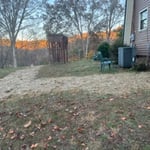
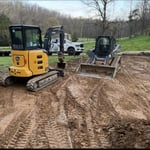
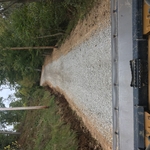
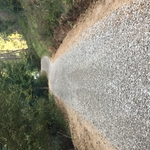
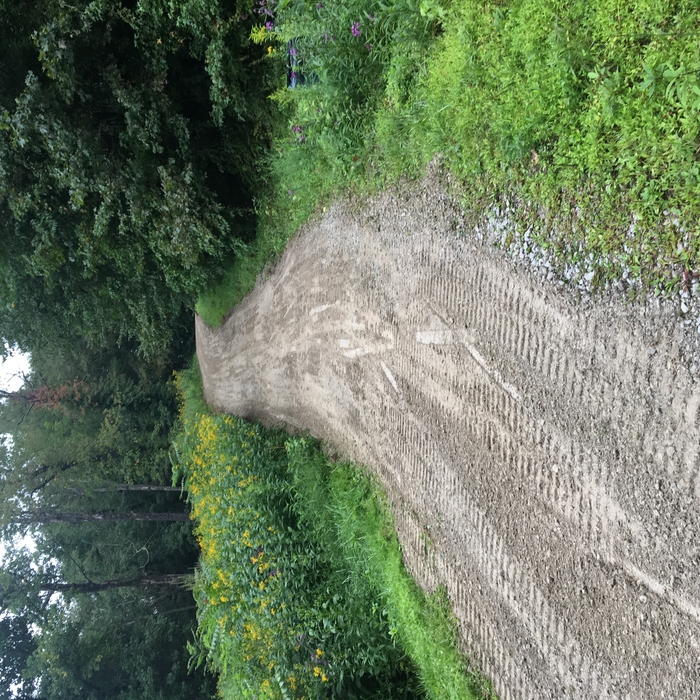
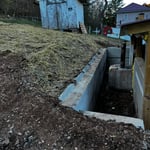
Retaining wall and reclaim on property.
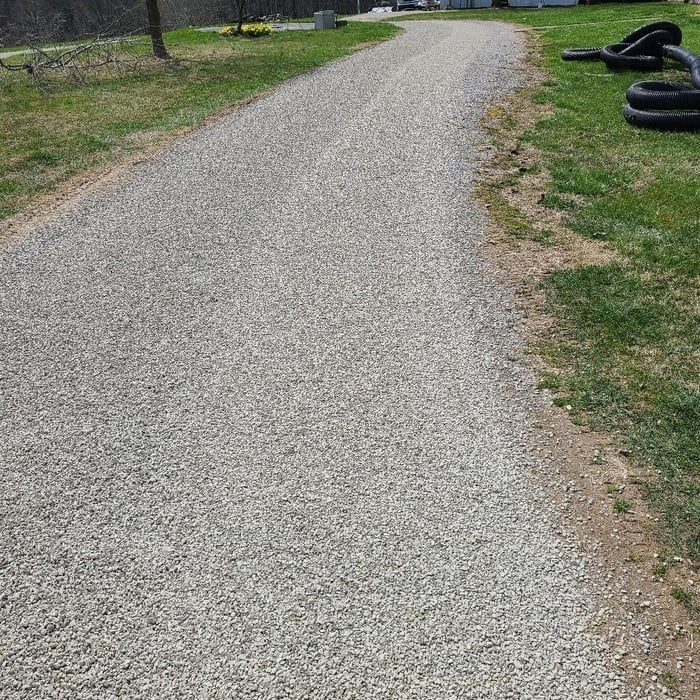
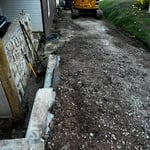
Retaining wall & Road Addition
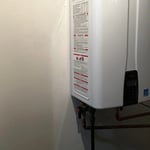
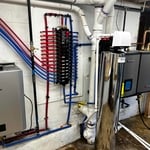
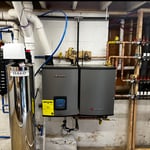
Plumbing Project
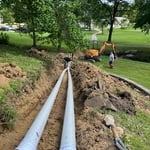
Plumbing project -2
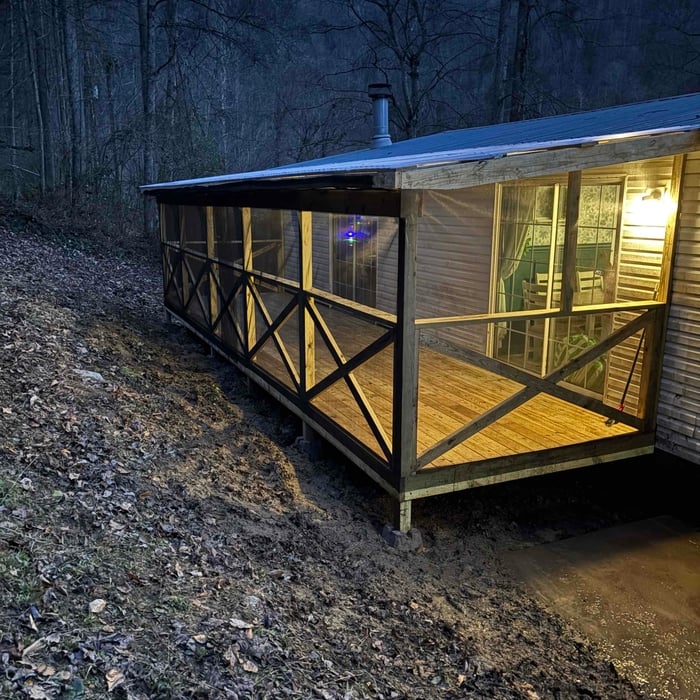
Patio addition

+57

6 neighbors recently requested a quote
Recommended by61%of homeowners
Avatar for Sun Comfort, Inc.
Sun Comfort, Inc.
4.3(
15
)
Excavation - Major Grading or Resloping

Serving Buffalo, WV and surrounding areas

In business since 1990

Free estimates

Offers commercial services

"We had a good experience with the workers. They were very accomodating. We were pleased with the end result. It did take twice as long to complete the job as originally quoted, thus, the cost of labor was increased significantly. If I had to make a suggestion, it would be to have a written agreement/contract before starting the job."
 Member of the Better Business Bureau
 Roofing - Shingles
  Custom Cabinetry
  Custom Cabinetry
 Custom Cabinetry

+7

Recommended by91%of homeowners
Showing 1-10 of 38
Excavating questions, answered by experts

Hard soil could be a sign of overly dry dirt, either from poor drainage or drought. It's important to test the nutrient levels, density, and drainage capacity of your soil to see if it's absorbing water properly. Begin by adding a light layer of water and observing how long the soil retains moisture. If you experience a good deal of runoff, you may need to aerate your lawn, apply a wetting agent, or hire a professional for a closer look.

No, a ditch isn’t a trench. A ditch is an open, relatively shallow channel that’s carved out of the ground and used for drainage purposes. In contrast, a trench is a deeper excavation that’s entirely underground. Trenches have many uses, including gas lines, sewage systems, and electrical wiring. Unlike trenches, ditches don’t get filled back in with dirt after they’re dug.

Septic drain lines (or leach lines) are typically buried between 18 and 36 inches underground, and should be at least 6 inches below the surface. These pipes are perforated and surrounded by filtering materials like sand or gravel. Burying the lines at this depth helps minimize odors and allows bacteria and other biological processes in the soil to effectively treat the wastewater. Burying lines too close to the surface can cause issues unless the soil is very compact and stable.

The physical constraints of hand-drilling a well limit the depth you can achieve. Manually digging with picks and shovels may only lead to shallow wells of up to 60 feet in depth. To reach greater depths, you need more specialized equipment. The diameter of your well and the tools you’re using will determine how far down you can dig.

The best type of soil to build on is a mixture of sand and clay, known as loam soil. Loam soil has the best combination of these soil types to build a foundation on. The clay particles help with water retention, so it won’t erode like sandy soil might, and the sandy particles help with drainage, so you won’t see unsafe soil expansion or have an increased risk of leaks from water sitting against your foundation.

The Buffalo, WV homeowners’ guide to excavation services

From average costs to expert advice, get all the answers you need to get your job done.