




Top-rated excavation pros.

Get matched with top excavation pros in Proctorville, OH

Enter your zip and get matched with up to 5 pros

Need a pro for your excavation project in Proctorville, OH?

Select your specific project to find the pro for you.

Find Excavation pros in Proctorville

Avatar for Adkins Plumbing & Contracting, LLC
Adkins Plumbing & Contracting, LLC
4.5(
90
)

Serving Proctorville, OH and surrounding areas

In business since 2021

Free estimates

Emergency services offered

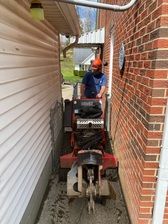
"We called so many plumbers and one “professional” company showed up and didn’t even bring exploratory tools. We found Adkins and they showed up with an excavator and shovels ready to find the problem in this frigid cold. They gave us a quote and started working at 4pm and stayed until 8pm to find the source of the sewer leak. They gave us a plan to fix it and a full price to which we agreed and they left for the evening to get parts and return the next day to finish the job. Couldn’t ask for a better group of guys. They were fully committed to fixing the problem and they even listened to us when we told them where and what we thought it might be. (If you’re a homeowner you know how that usually goes) They were a pleasure to work with on this repair and we will be calling them back to tackle a few more building projects. I might also add they didn’t try to gouge us and charge us for a complete sewer pipe install, like the big plumbing company tried to do."
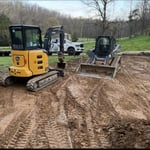
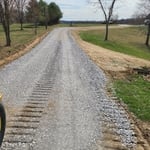
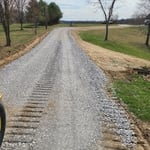
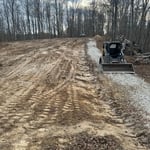
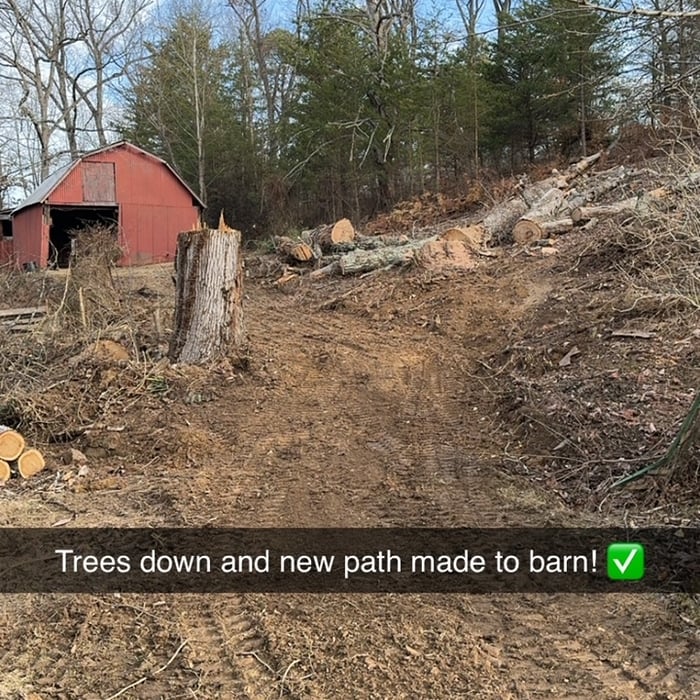
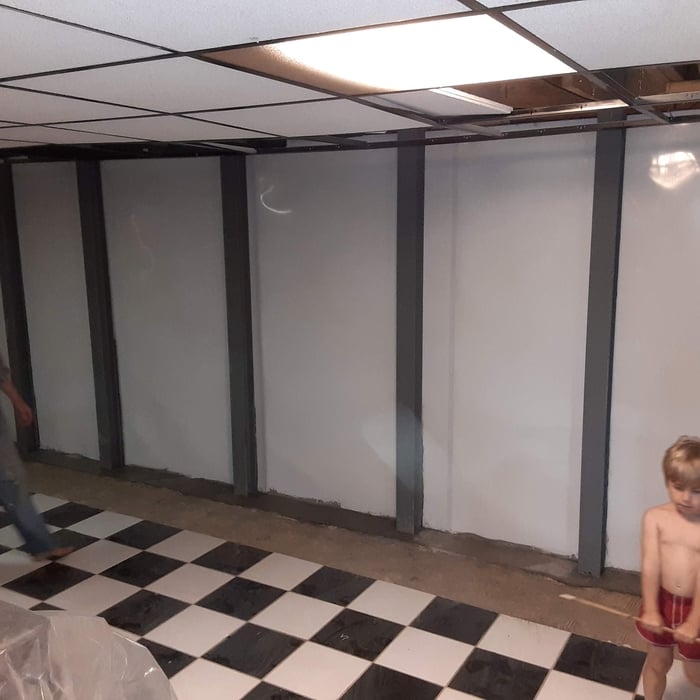
Retaining wall and reclaim on property.
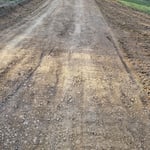
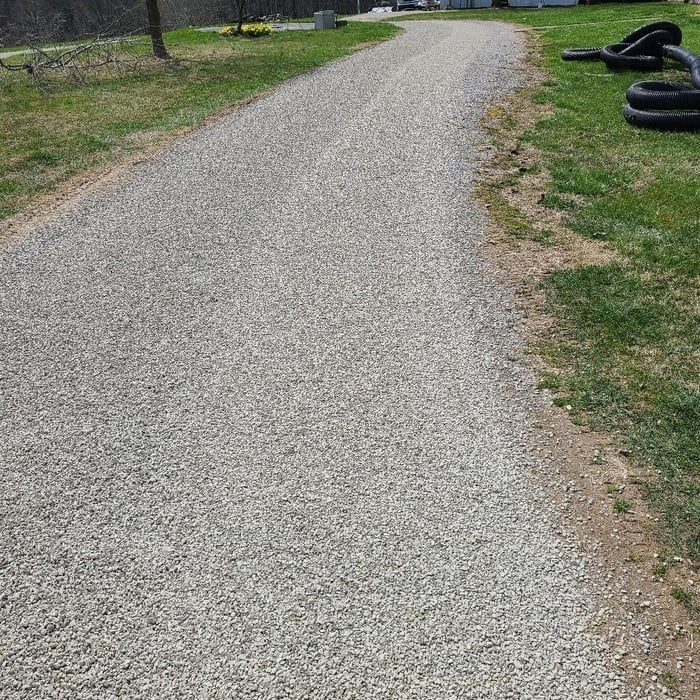
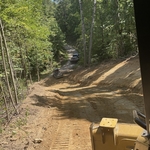
Retaining wall & Road Addition
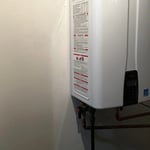
Plumbing Project
Plumbing project -2
Patio addition

+57

Recommended by61%of homeowners

...
Showing 1-10 of 51
Excavating questions, answered by experts

Water lines are buried at various depths, depending on the type of line. For example, most sprinkler lines are buried between four and 12 inches underground. On the other hand, water mains usually sit between one and 3 feet below ground. However, they can go even deeper in cold climates to prevent freezing.

In the United States, a depth of 36 inches (three feet) for underground water lines is the accepted industry standard. This depth varies from location to location based on local conditions. In areas with colder winters, they may be buried deeper to prevent frozen well water pipes : This is usually at least six inches below the frost level. The International Plumbing Code calls for a minimum of 12 inches below grade.

Depth is not a qualifying component of evacuation. Any human-made cut, cavity, or depression in the earth’s surface is considered excavation. The hole from excavation can be any size, shape, or depth. Excavation is used to create foundations, reservoirs, drainage ditches, and roads. Long, narrow excavations are called trenches and are often used for underground utilities.

Yes. A metal detector is one of the quickest and easiest ways to find your septic tank. However, metal detectors can be too expensive (costing upward of $300 in some cases), and not everyone has a metal detector just lying around. If that’s the case for you, you can also take a long metal rod and poke it into the ground at regular intervals until you hit something—likely your septic tank lid.

Sewer lines can be buried anywhere from 18 inches to 8 feet deep, with a common average depth between 18 and 30 inches. The exact depth depends on local factors like climate and soil type. In colder regions, pipes must be buried deeper (below the frost line) to prevent freezing, sometimes as deep as 8 feet. The digging depth can also impact the cost of sewer line replacement. To find the specific depth for your property, you can check the building plans for your system, which should be on file with your city or local sanitation department since permits are required for installation.

The Proctorville, OH homeowners’ guide to excavation services

From average costs to expert advice, get all the answers you need to get your job done.