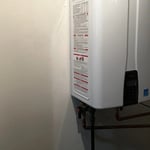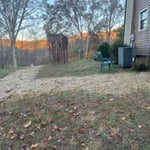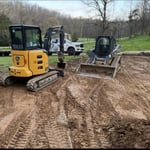


Top-rated excavation pros.

Best excavation pros near Pea Ridge, WV

Enter your zip and get matched with up to 5 pros

Need a pro for your excavation project in Pea Ridge, WV?

Select your specific project to find the pro for you.

Top-Rated Excavation pros in Pea Ridge - Updated Nov 2026

Avatar for Adkins Plumbing & Contracting, LLC
Adkins Plumbing & Contracting, LLC
4.6(
108
)
Building Site - Preparation and ClearingExcavation - Major Grading or ReslopingBuilding Site - Preparation and Clearing - For Business+1 more

Serving Pea Ridge, WV and surrounding areas

Approved

In business since 2021

Free estimates

Credit card accepted

"Adkins Plumbing & Contracting LLC went above and beyond with extreme professionalism and extraordinarily time management! My home needed complete water main line replacement and sewer replacement both to city connections, along with complete replacement of all piping inside! Along with this, my house was sagging inward, main beams compromised, Jarred had the whole project completed in less than a week! Other contractors in the area couldnt start for more than 2 weeks, this amazing crew got all my issues completed with clear communication throughout the whole process! Phenomenal doesnt even begin to describe this man and his crew! If you need anything for your home, contact Jarred at Adkins Plumbing and you know you will be in professional and caring hands!! Thank you Jarred, you literally turned a nightmare into my dream home!! This man and his crew seriously delivers! Top notch work and professionalism is hard to come by these days, both are ingrained within this man!"

My jobs
My jobs
My jobs
My jobs
My jobs

+102

120 neighbors recently requested a quote
Recommended by50%of homeowners
Avatar for Adkins Plumbing & Contracting, LLC
Adkins Plumbing & Contracting, LLC
4.5(
90
)
Building Site - Preparation and ClearingBuilding Site - Preparation and Clearing - For BusinessExcavation - Major Grading or Resloping+1 more

Serving Pea Ridge, WV and surrounding areas

In business since 2021

Free estimates

Emergency services offered

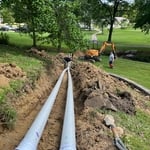
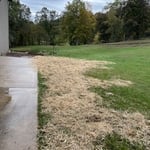
"Excellent Service. Jared and his crew were very professional, walked through the entire install prior to work. The excavation was performed with care to our property, they reseeded the grass afterwards. They permanently marked were each fitting along the run is located, so we know where to check if the line leaks years into the future. Professional, Friendly, high Quality. This will be the go to plumbers for all future jobs!"
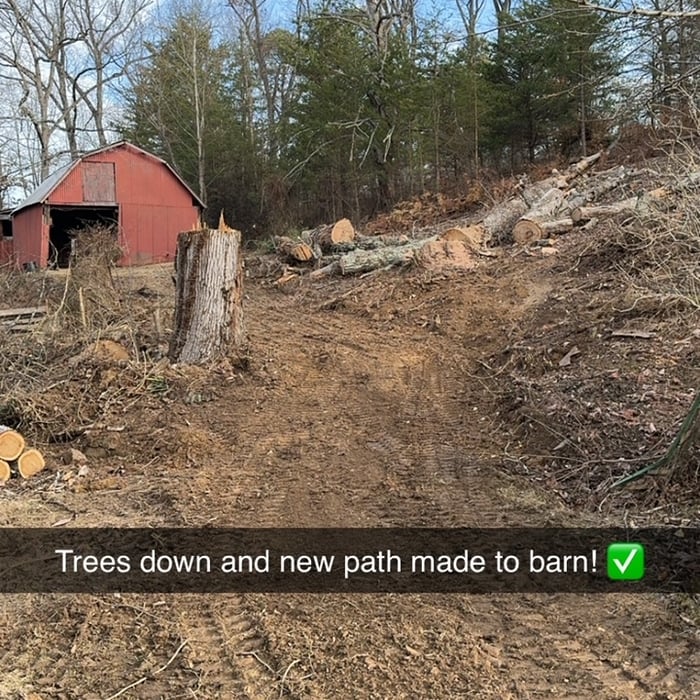
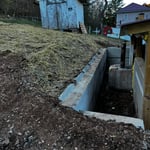
Retaining wall and reclaim on property.
Retaining wall & Road Addition
Plumbing Project
Plumbing project -2
Patio addition

+57

Recommended by61%of homeowners
Showing 1-10 of 42
Excavating FAQs, answered by experts

Trenchers can dig holes as narrow as 4 inches or as wide as 4 feet. Check the specifications of the trencher you rent or buy to determine how wide it will cut into the landscape. Better yet, let the excavation company know how wide you’d like the trench to be, and they can help you choose the right trencher for the job (or do it for you).
Yes, you can technically make a crawl space liveable, but the only way to do so is by converting it into a basement. While some crawl spaces are big enough to walk through and store large items, they lack appropriate insulation and space to be liveable.

Trenching and boring are two distinct methods for installing underground utilities. Trenching involves digging a channel using equipment like an excavator, trencher, backhoe, or shovel. While it is a simpler process, it causes significant disruption to the surface, landscaping, and surrounding ecosystems.

Boring, also known as directional boring, is a less invasive alternative that uses a drill to create a tunnel for utility lines without disturbing the surface. This method is more precise and is ideal for installations that need to go underneath buildings, roads, or bodies of water. Although boring is less disruptive, it is generally more expensive than trenching.

The best type of soil to build on is a mixture of sand and clay, known as loam soil. Loam soil has the best combination of these soil types to build a foundation on. The clay particles help with water retention, so it won’t erode like sandy soil might, and the sandy particles help with drainage, so you won’t see unsafe soil expansion or have an increased risk of leaks from water sitting against your foundation.

Septic drain lines (or leach lines) are typically buried between 18 and 36 inches underground, and should be at least 6 inches below the surface. These pipes are perforated and surrounded by filtering materials like sand or gravel. Burying the lines at this depth helps minimize odors and allows bacteria and other biological processes in the soil to effectively treat the wastewater. Burying lines too close to the surface can cause issues unless the soil is very compact and stable.

The Pea Ridge, WV homeowners’ guide to excavation services

From average costs to expert advice, get all the answers you need to get your job done.