

Top-rated excavation pros.

Best excavation pros near Scott Depot, WV

Enter your zip and get matched with up to 5 pros

Need a pro for your excavation project in Scott Depot, WV?

Select your specific project to find the pro for you.

TRUSTED BY SCOTT DEPOT, WV HOMEOWNERS

  • Average homeowner rating star icon4
    Average homeowner rating
  • Verified reviews icon12
    Verified excavation services reviews

Top-Rated Excavation pros in Scott Depot - Updated Nov 2026

Avatar for Adkins Plumbing
Adkins Plumbing
4.3(
48
)
Building Site - Preparation and ClearingBuilding Site - Preparation and Clearing - For BusinessExcavation - Major Grading or Resloping+2 more

Serving Scott Depot, WV and surrounding areas

Free estimates

Emergency services offered

Credit card accepted

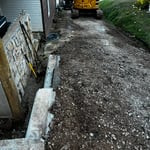
"Excellent Service. Jared and his crew were very professional, walked through the entire install prior to work. The excavation was performed with care to our property, they reseeded the grass afterwards. They permanently marked were each fitting along the run is located, so we know where to check if the line leaks years into the future. Professional, Friendly, high Quality. This will be the go to plumbers for all future jobs!"
Plumbing Project
Excavating Project
Plumbing Project
Plumbing Project
Plumbing Project

+4

Recommended by82%of homeowners
Avatar for P & M Maintenance Solutions
P & M Maintenance Solutions
5.0(
10
)
Building Site - Preparation and ClearingBuilding Site - Preparation and Clearing - For BusinessExcavation - Major Grading or Resloping+2 more

Serving Scott Depot, WV and surrounding areas

In business since 2024

Free estimates

Emergency services offered

"We needed an entire house painted. Two bathroom remodels, two kitchen remodels, A/C Replacement (3) units and Garage Apt paint and bath remodel. They were amazing! I’m so glad I found them! They did great work, communicated with updates and progress! I would highly recommend! They have all before and after photos!"
Response time5 hrs
Response rate95%
Showing 1-10 of 44
Excavating FAQs, answered by experts

How deep your septic system needs to be into the ground depends on several factors. In extremely cold environments, the tank needs to rest below the maximum frost line, which can be up to six or eight feet deep. The standard burying depth for most systems is between a few inches and four feet below ground level. Depth can also depend on the slope of the landscaping and other property variables. 

Directional drilling is complex and requires training to use the advanced machinery. It can be challenging to monitor the position of the drill since there’s no direct line of sight. Directional drilling can also be more expensive with a cost of $10 to $30 per linear foot compared to $5 to $12 per linear foot for trenching. 

To locate an underground downspout, you should start by identifying where the above ground gutter drains. Look for an entry point, such as a pipe or elbow leading into the ground. Follow the surface path for signs like depressions, landscaping disruptions, or wet areas after rain. You can use a metal detector or plumber’s snake to trace the pipe underground. For deeper pipes, a professional locator tool or camera inspection may be necessary. Visual markers or utility maps can also guide the search.
In the United States, a depth of 36 inches (three feet) for underground water lines is the accepted industry standard. This depth varies from location to location based on local conditions. In areas with colder winters, they may be buried deeper to prevent frozen well water pipes : This is usually at least six inches below the frost level. The International Plumbing Code calls for a minimum of 12 inches below grade.

There are several methods to hollow out a tree stump, and the best one depends on your tools, experience, and priorities. Common methods include using a chisel and hammer, a chainsaw, or burning.

  • Chisel and Hammer: This is often considered the easiest approach for those with limited tools or experience, though it is the most time-consuming.

  • Chainsaw: Using a chainsaw is the fastest method, but it comes with significant safety risks, especially for inexperienced users.

  • Burning: This can be an effective method, but it is not recommended unless you can first drill holes into the stump. Without holes, the stump will be difficult to light and may not burn completely through.

A power drill with at least a ⅜-inch diameter bit can make the job quicker and easier, regardless of the primary method. While you can use a chisel or chainsaw without a drill, it will require more time and effort. Always wear protective goggles and thick gloves, as splinters are an inevitable risk.
The Scott Depot, WV homeowners’ guide to excavation services
From average costs to expert advice, get all the answers you need to get your job done.