





Top-rated radon detection and reduction specialists.

Get matched with top radon detection and reduction specialists in Saint Cloud, WI

Enter your zip and get matched with up to 5 pros

Need a pro for your radon detection and reduction project in Saint Cloud, WI?

Select your specific project to find the pro for you.

Find Radon detection and reduction specialists in Saint Cloud

Avatar for Lifetime Home Services
Lifetime Home Services
4.9(
110
)
Radon Gas - AbatementRadon Gas - Testing

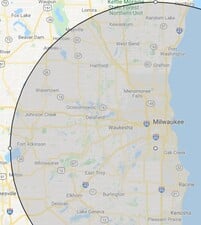
Serving Saint Cloud, WI and surrounding areas

Approved

In business since 1998

Free estimates

Emergency services offered

"It went great. I highly recommend them. They were a pleasure to deal with. The person that came out for the estimate answered all of my questions. The estimate was fair. The work was done on schedule and with no problem. At completion, everything was explained to me. I used their electrician which worked out fine. After completion the radon test showed that my level was now undetectable."
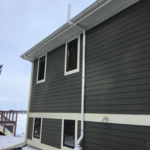
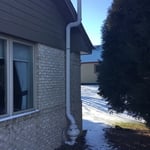
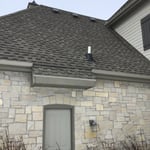
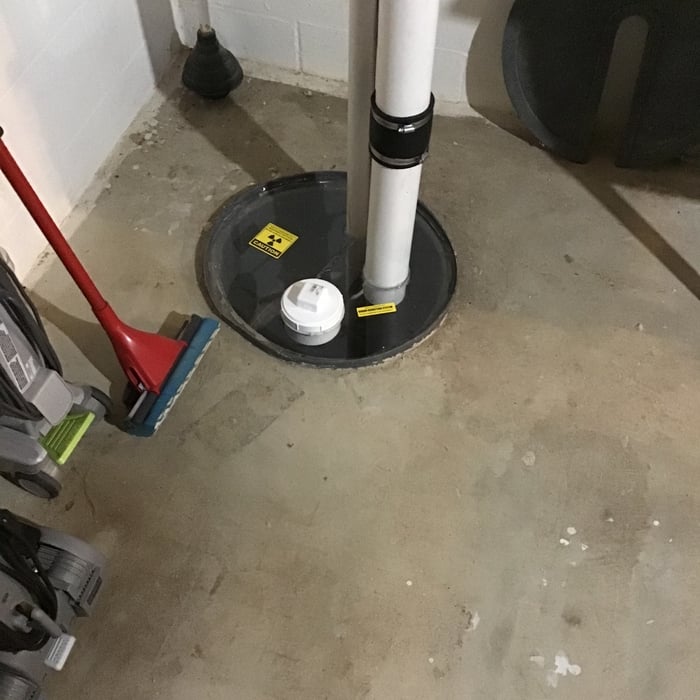
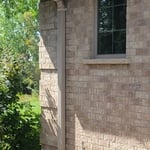
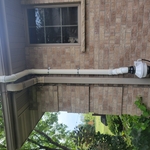
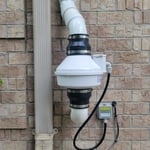
Additional Photos
Additional Photos
Additional Photos
Additional Photos
Additional Photos

+1

Response time2 days
Response rate100%
4 neighbors recently requested a quote
Radon Detection and Reduction questions, answered by experts

Yes, many systems include warranties for performance. Confirm terms with your installer.

The average radon mitigation system uses about 876 kWh of electricity per year, although the exact amount of electricity used will vary depending on the size of the radon fan. Once the system is installed, the annual increase to your energy bill could range from $30 to $300 per year, again depending on the size of the fan.

Long-term exposure increases lung cancer risks. Prolonged homestay individuals and smokers encounter heightened vulnerability and exposure concerns.

The natural breakdown of uranium in soil, rock, and water can cause radon to appear in a home. The gas seeps into homes through cracks in foundations, walls, or floors, as well as through gaps around pipes or construction joints. Radon levels are influenced by soil composition, building materials, and ventilation. Poorly sealed or airtight homes can trap radon, allowing it to accumulate.

Radon is present almost everywhere but, like sunlight, the concentration levels and how often you are exposed to it have a large part to play in just how dangerous it is. There are levels of radon that are acceptable inside a house, but above a certain limit, radon becomes a serious radioactive hazard that is a known cause of lung cancer. In fact, radon exposure is the number two leading cause of lung cancer (after smoking).

The Saint Cloud, WI homeowners’ guide to radon detection and reduction services

From average costs to expert advice, get all the answers you need to get your job done.