




Top-rated radon detection and reduction specialists.

Get matched with top radon detection and reduction specialists in Hingham, WI

Enter your zip and get matched with up to 5 pros

Need a pro for your radon detection and reduction project in Hingham, WI?

Select your specific project to find the pro for you.

Find Radon detection and reduction specialists in Hingham

Avatar for Lifetime Home Services
Lifetime Home Services
4.8(
130
)

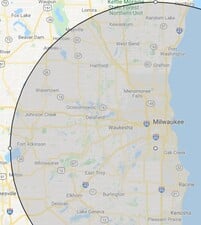
Serving Hingham, WI and surrounding areas

In business since 1993

Free estimates

Credit card accepted

"I had a radon mitigation system installed on Wednesday. The reason I went with your company was because of Ashley. When she met with us to go over the results of our testing and propose a solution I was greatly impressed with her knowledge of the system she was proposing. I had a number of questions and received a couple of other quotes but I always came back to Ashley. And I'm glad I did. Then there was Luke. I couldn't have asked for a better installer. He totally explained what he was going to do and did it expertly. I had a number of things that I asked him to change in the garage and he gladly did it even though it meant it was going to take longer to do. The main change was redirecting the PVC line to come out on the opposite side of my garage roof. That meant he had to climb up on to my steep garage roof in almost darkness. He did a great job and I would highly recommend Lifetime to anyone contemplating a radon mitigation system"
Response time1 day
Response rate88%
11 neighbors recently requested a quote
Radon Detection and Reduction questions, answered by experts

The natural breakdown of uranium in soil, rock, and water can cause radon to appear in a home. The gas seeps into homes through cracks in foundations, walls, or floors, as well as through gaps around pipes or construction joints. Radon levels are influenced by soil composition, building materials, and ventilation. Poorly sealed or airtight homes can trap radon, allowing it to accumulate.

The soil beneath your house is most likely what’s causing an increased level of radon. This is because soil holds radioactivity for a long time and it’s also what most buildings are built on. Another common source of radon is water from a source that hasn’t been through periodic radon tests, such as well water. Over time, the radon from the soil can inhabit other parts of your house like the foundation or plumbing.

No level of radon is technically safe, but since it is naturally present everywhere, it is impossible to avoid entirely. The average radon level in homes across the United States is 1.3 picocuries per liter (pCi/L). The Environmental Protection Agency (EPA) recommends taking action to reduce radon levels if your home's test results are between 2 and 4 pCi/L or higher.

Radon enters your home when warm air begins to rise and exits through the roof, creating a vacuum that pulls cooler air from under the foundation. Part of that air is radon, which is an invisible, odorless gas that develops naturally when radioactive particles are deep within the ground. Those particles usually come from decaying matter in soil and rocks.

Options include sub-slab depressurization, crawlspace ventilation, and sealing cracks. Choose based on home construction and radon levels.

The Hingham, WI homeowners’ guide to radon detection and reduction services

From average costs to expert advice, get all the answers you need to get your job done.