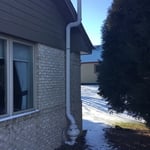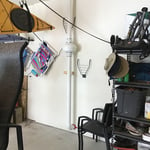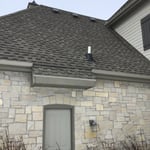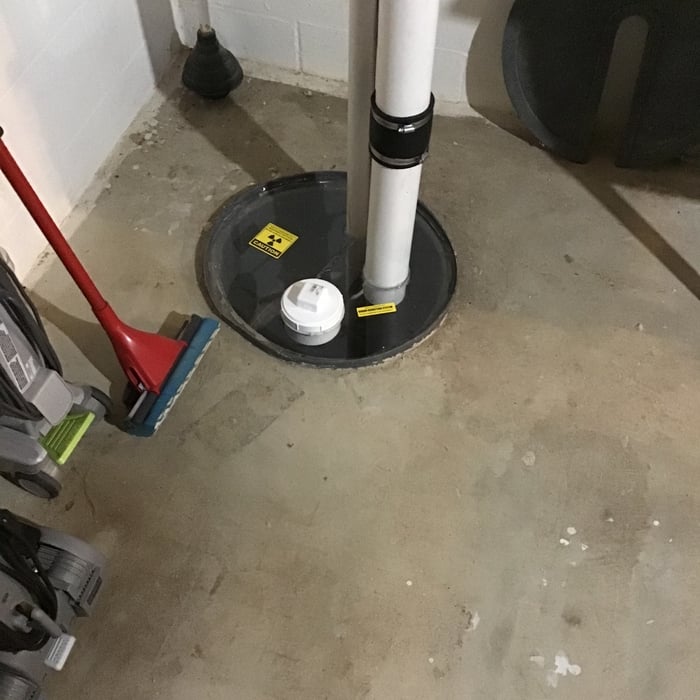





Top-rated radon detection and reduction specialists.

Get matched with top radon detection and reduction specialists in Cascade, WI

Enter your zip and get matched with up to 5 pros

Need a pro for your radon detection and reduction project in Cascade, WI?

Select your specific project to find the pro for you.

Find Radon detection and reduction specialists in Cascade

Avatar for Lifetime Home Services
Lifetime Home Services
4.9(
110
)
Radon Gas - AbatementRadon Gas - Testing

Serving Cascade, WI and surrounding areas

Approved

In business since 1998

Free estimates

Emergency services offered

"It went great. I highly recommend them. They were a pleasure to deal with. The person that came out for the estimate answered all of my questions. The estimate was fair. The work was done on schedule and with no problem. At completion, everything was explained to me. I used their electrician which worked out fine. After completion the radon test showed that my level was now undetectable."
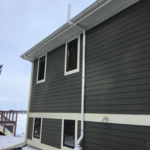
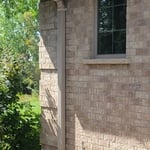
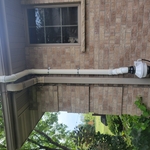
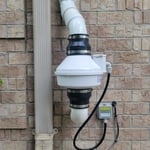
Additional Photos
Additional Photos
Additional Photos
Additional Photos
Additional Photos

+1

Response time2 days
Response rate100%
3 neighbors recently requested a quote
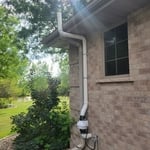
Radon Detection and Reduction questions, answered by experts

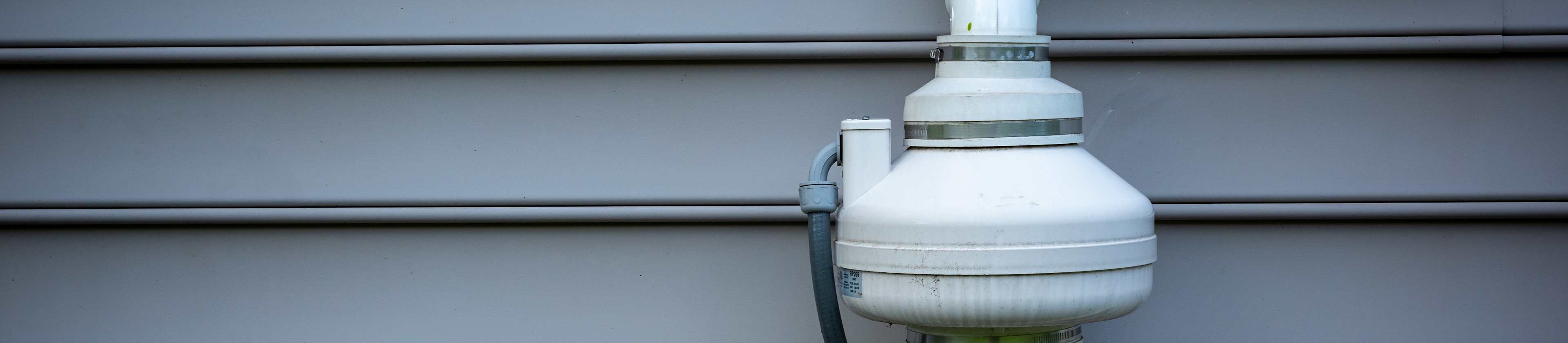
Mitigation can take several days depending on home setup, equipment accessibility, and achieving effective diffusion system sealed efficiency.

The average radon mitigation system uses about 876 kWh of electricity per year, although the exact amount of electricity used will vary depending on the size of the radon fan. Once the system is installed, the annual increase to your energy bill could range from $30 to $300 per year, again depending on the size of the fan.

You'll need to test your home for radon after installing the mitigation system, then again every two years. If radon remains elevated, contact a licensed radon professional, either the contractor who installed the system or a different one, and have them evaluate the system. They may need to make some changes to improve its effectiveness and performance.

Long-term exposure increases lung cancer risks. Prolonged homestay individuals and smokers encounter heightened vulnerability and exposure concerns.

The cost to replace a radon fan ranges from $300 to $600 for the fan itself, with installation adding an additional $200 to $500. Overall, the total cost for replacement can range from $500 to $1,100, depending on factors such as the fan model, home size, and local labor rates. If the fan is part of a larger radon mitigation system, the price may be higher.

The Cascade, WI homeowners’ guide to radon detection and reduction services

From average costs to expert advice, get all the answers you need to get your job done.