





Top-rated radon detection and reduction specialists.

Get matched with top radon detection and reduction specialists in Sheboygan, WI

Enter your zip and get matched with up to 5 pros

Need a pro for your radon detection and reduction project in Sheboygan, WI?

Select your specific project to find the pro for you.

Find Radon detection and reduction specialists in Sheboygan

Avatar for Lifetime Home Services
Lifetime Home Services
4.9(
109
)

Serving Sheboygan, WI and surrounding areas

Approved

In business since 1998

Free estimates

Emergency services offered

"It went great. I highly recommend them. They were a pleasure to deal with. The person that came out for the estimate answered all of my questions. The estimate was fair. The work was done on schedule and with no problem. At completion, everything was explained to me. I used their electrician which worked out fine. After completion the radon test showed that my level was now undetectable."
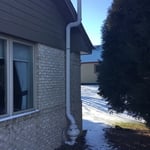
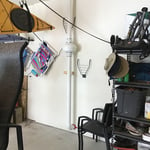
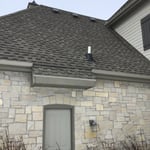
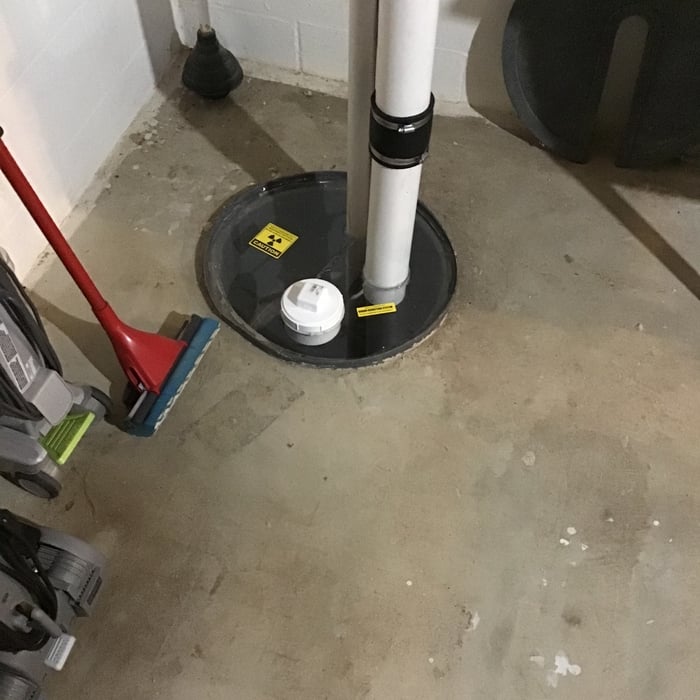
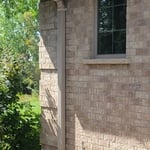
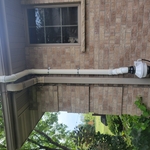
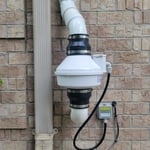
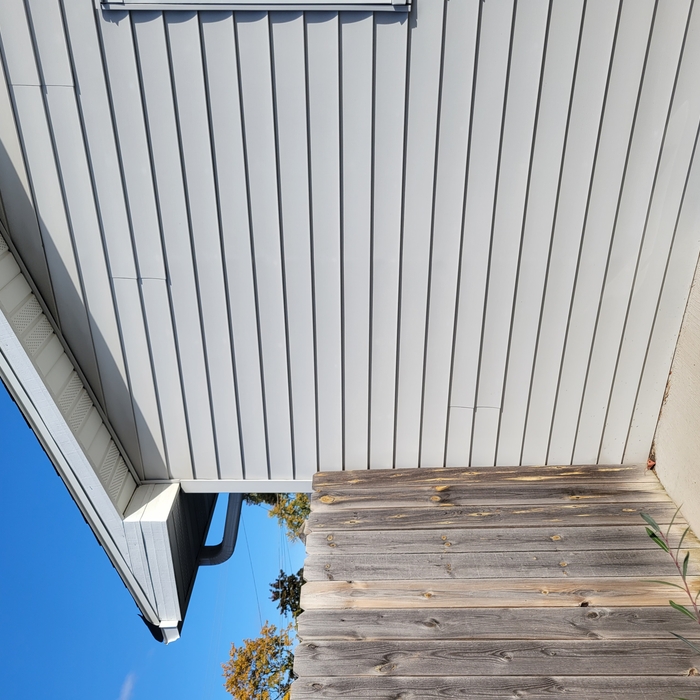
Additional Photos
Additional Photos
Additional Photos
Additional Photos
Additional Photos

+1

Response time2 days
7 neighbors recently requested a quote
Recommended by98%of homeowners
Radon Detection and Reduction questions, answered by experts

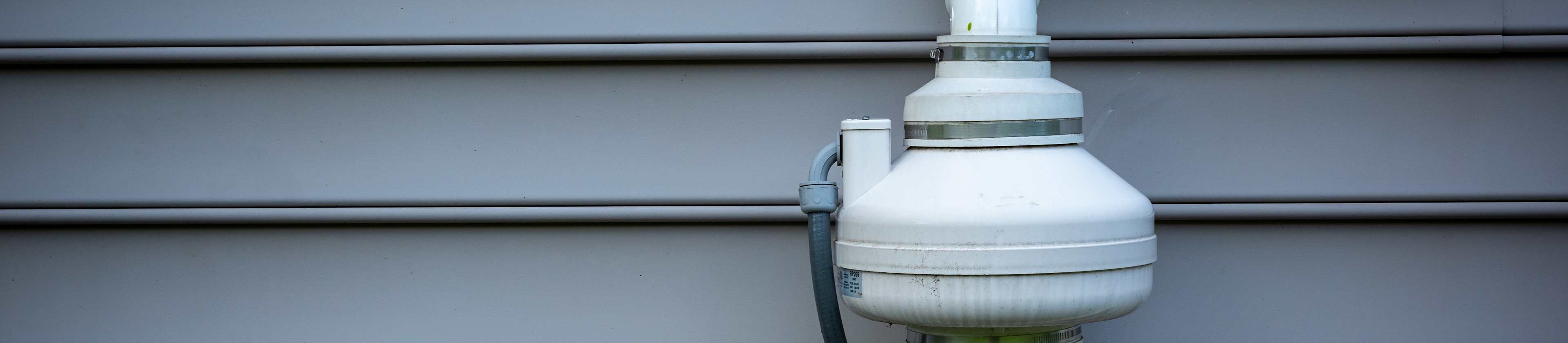
Your radon mitigation system may be loud because it’s time to replace it. Any sounds are usually from the inline fan that helps create the vacuum and resulting airflow. If you hear a new, loud mechanical or humming noise from your radon fan, it might be time to replace it. Most fans used in radon mitigation systems last up to 10 years, but may need to be replaced sooner.

You'll need to test your home for radon after installing the mitigation system, then again every two years. If radon remains elevated, contact a licensed radon professional, either the contractor who installed the system or a different one, and have them evaluate the system. They may need to make some changes to improve its effectiveness and performance.

Keeping radon from getting into your home is much better than having to get rid of it once it's already indoors. While there may not be a way to fully prevent radon from getting into your home, there are things you can do to reduce the gas's ability to enter. 

Sealing foundation cracks and openings can help keep the gas from seeping inside. Improving air flow, such as by opening windows, can also be helpful. If you're building your home from scratch, talk to your contractor about using radon-resistant construction to keep the gas out.

No level of radon is technically safe, but since it is present everywhere, complete avoidance is impossible. The average radon level in homes across the United States is 1.3 picocuries per liter (pCi/L). The Environmental Protection Agency (EPA) recommends taking preventative measures if your home's radon levels are between 2 and 4 pCi/L or higher.

Radon is the number one non-smoking cause of lung cancer in the United States, but it can cause some other concerning side effects in the meantime. If you have a raspy voice, chest pains, trouble breathing, difficulty swallowing, or any of the above, don’t hesitate to perform radon testing and install a mitigation system as soon as possible.

The Sheboygan, WI homeowners’ guide to radon detection and reduction services

From average costs to expert advice, get all the answers you need to get your job done.

What do you need done? We’ll find top pros.
  • 🌱 "Mow a small front yard"
  • 🛠 "Fix a leaking pipe under the sink"
  • 🏠 "Repair shingles on an asphalt roof"