


Top-rated radon detection and reduction specialists.

Best radon detection and reduction specialists near Kohler, WI

Enter your zip and get matched with up to 5 pros

Need a pro for your radon detection and reduction project in Kohler, WI?

Select your specific project to find the pro for you.

Top-Rated Radon detection and reduction specialists in Kohler - Updated Nov 2026

Avatar for Lifetime Home Services
Lifetime Home Services
4.9(
110
)
Radon Gas - AbatementRadon Gas - Testing

Serving Kohler, WI and surrounding areas

Approved

In business since 1998

Free estimates

Emergency services offered

"It went great. I highly recommend them. They were a pleasure to deal with. The person that came out for the estimate answered all of my questions. The estimate was fair. The work was done on schedule and with no problem. At completion, everything was explained to me. I used their electrician which worked out fine. After completion the radon test showed that my level was now undetectable."
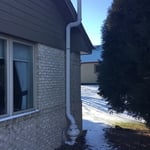
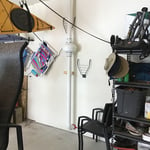
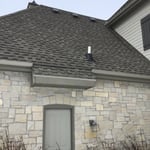
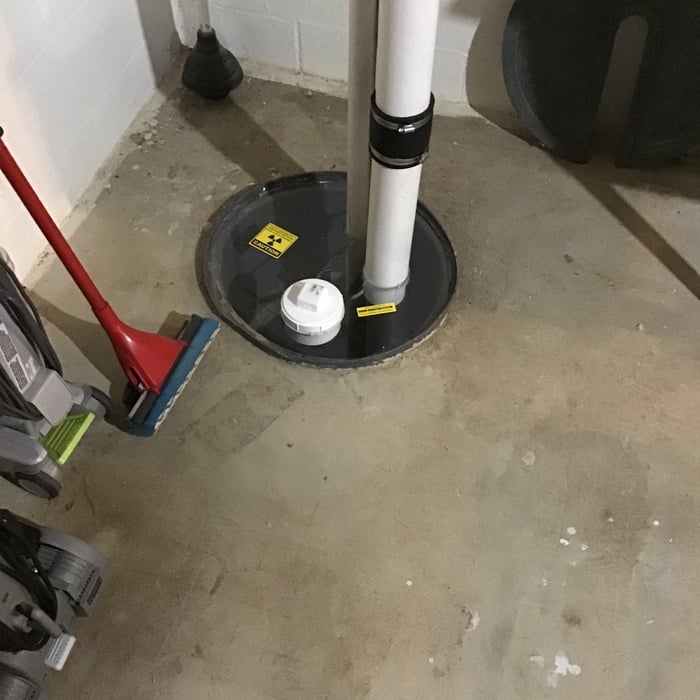
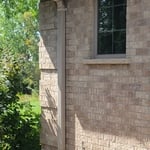
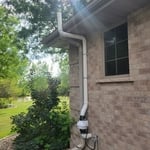
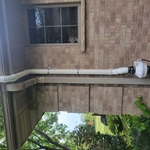
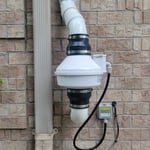
Additional Photos
Additional Photos
Additional Photos
Additional Photos
Additional Photos

+1

Response time2 days
Response rate100%
6 neighbors recently requested a quote

Radon Detection and Reduction FAQs, answered by experts

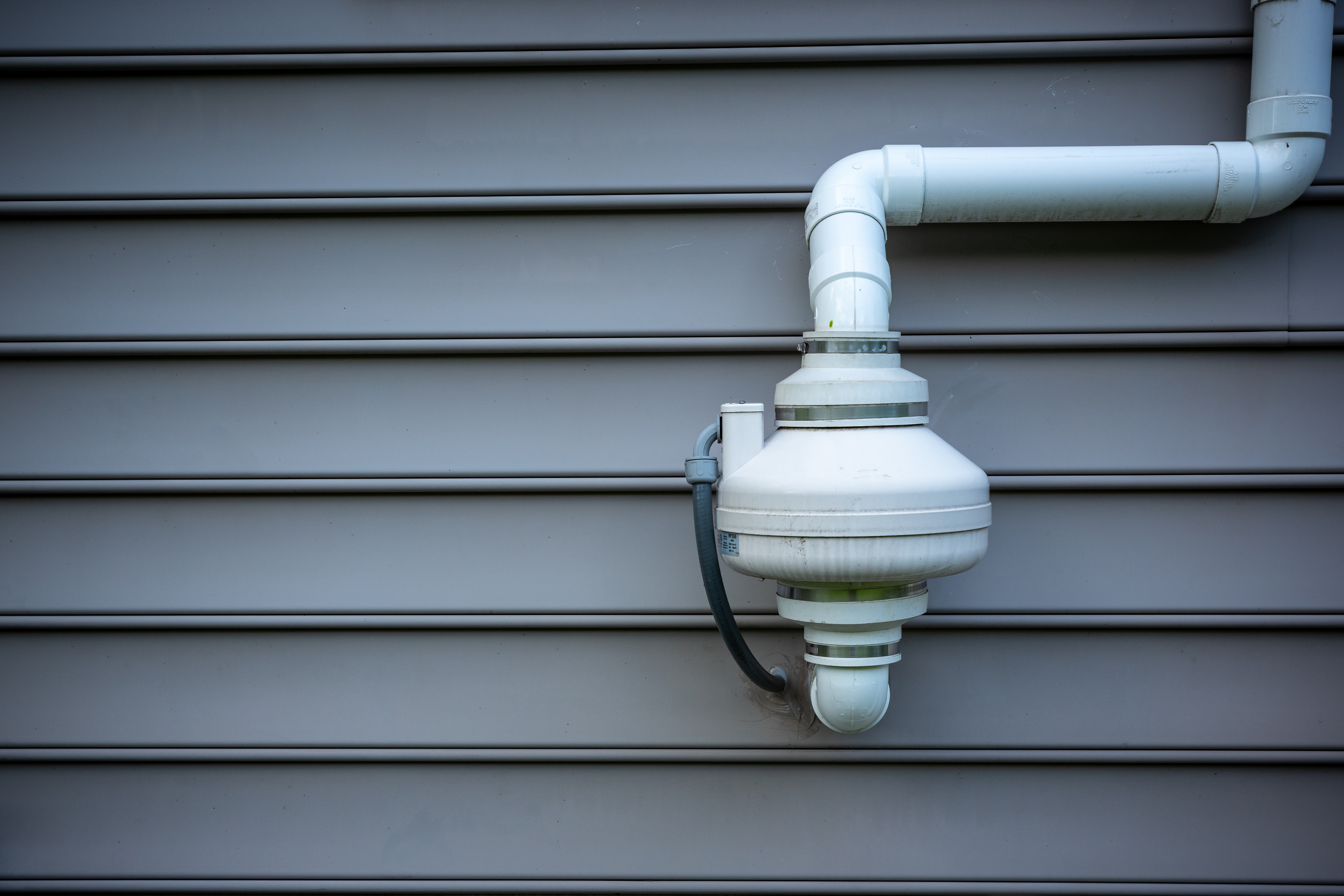
Options include sub-slab depressurization, crawlspace ventilation, and sealing cracks. Choose based on home construction and radon levels.

Testing every 2-5 years or upon adjusting occupancy or structural changes maintains safe environments.

No level of radon is technically safe, but since it is present everywhere, complete avoidance is impossible. The average radon level in homes across the United States is 1.3 picocuries per liter (pCi/L). The Environmental Protection Agency (EPA) recommends taking preventative measures if your home's radon levels are between 2 and 4 pCi/L or higher.

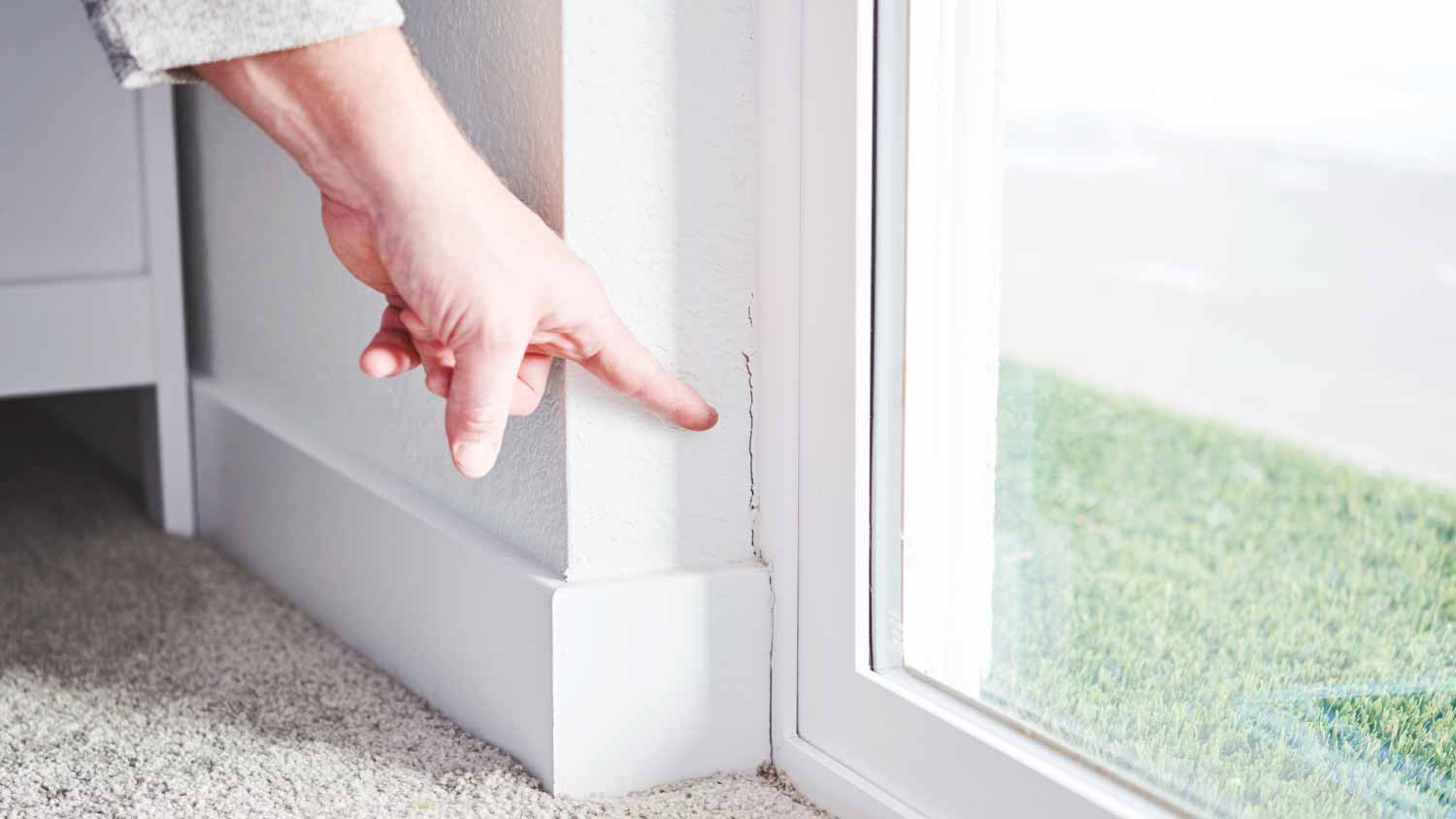
Radon enters your home when warm air begins to rise and exits through the roof, creating a vacuum that pulls cooler air from under the foundation. Part of that air is radon, which is an invisible, odorless gas that develops naturally when radioactive particles are deep within the ground. Those particles usually come from decaying matter in soil and rocks.

A homeowner can install a radon mitigation system on their own. But it’s a challenging DIY that requires a lot of knowledge about radon mitigation as well as familiarity with local regulations. You do not want to risk an improper installation that leaves the system unable to detect radon or gives it a shortened life span. Relying on a professional is the surest way to guarantee a successful installation.

The Kohler, WI homeowners’ guide to radon detection and reduction services

From average costs to expert advice, get all the answers you need to get your job done.