



Top-rated radon detection and reduction specialists.

Get matched with top radon detection and reduction specialists in Random Lake, WI

Enter your zip and get matched with up to 5 pros

Need a pro for your radon detection and reduction project in Random Lake, WI?

Select your specific project to find the pro for you.

Find Radon detection and reduction specialists in Random Lake

Avatar for Lifetime Home Services
Lifetime Home Services
4.9(
109
)

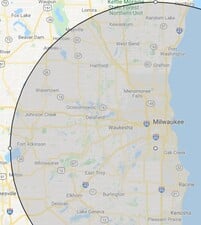
Serving Random Lake, WI and surrounding areas

Approved

In business since 1998

Free estimates

Emergency services offered

"It went great. I highly recommend them. They were a pleasure to deal with. The person that came out for the estimate answered all of my questions. The estimate was fair. The work was done on schedule and with no problem. At completion, everything was explained to me. I used their electrician which worked out fine. After completion the radon test showed that my level was now undetectable."
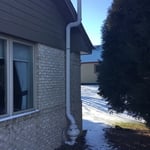
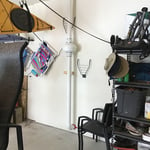
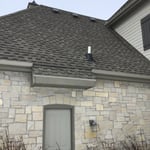
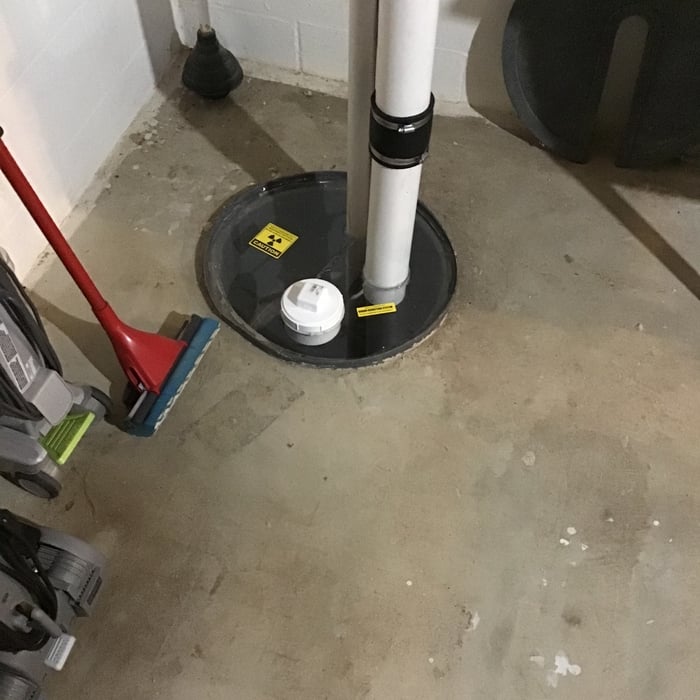
Additional Photos
Additional Photos
Additional Photos
Additional Photos
Additional Photos

+1

Response time2 days
4 neighbors recently requested a quote
Recommended by98%of homeowners
Radon Detection and Reduction questions, answered by experts

Radon enters your home when warm air begins to rise and exits through the roof, creating a vacuum that pulls cooler air from under the foundation. Part of that air is radon, which is an invisible, odorless gas that develops naturally when radioactive particles are deep within the ground. Those particles usually come from decaying matter in soil and rocks.

No, air purifiers are not an effective way to reduce or remove radon. Radon is a radioactive, inert gas that cannot be filtered by standard air purifiers, which are designed to capture particulates like dust and mold. While an air purifier can improve indoor air quality by removing other pollutants, it should not be relied upon for radon. The only effective solution for high radon levels is a dedicated radon mitigation system.

Radon detection is crucial as prolonged exposure to radon gas, a leading cause of lung cancer, poses significant health risks in residential environments.

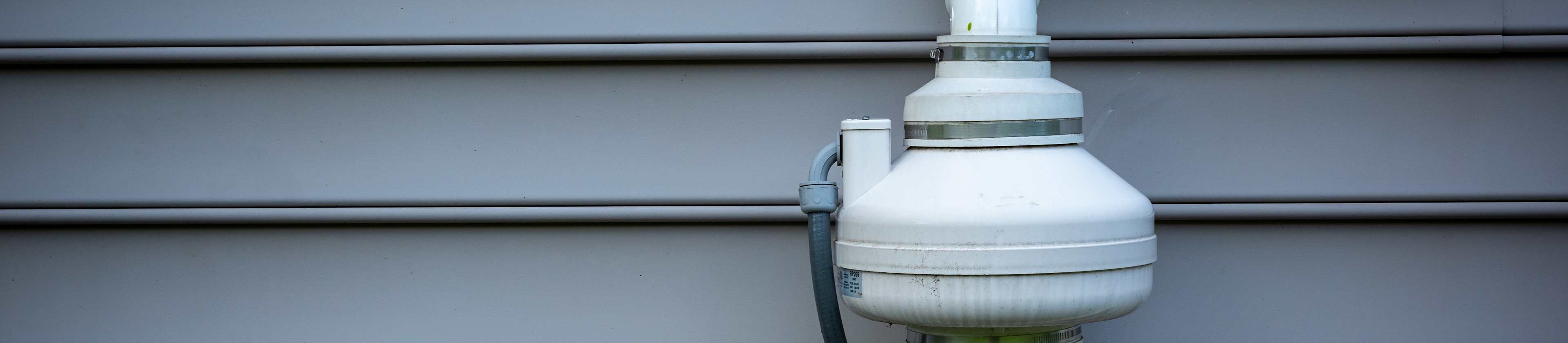
Your radon mitigation system may be loud because it’s time to replace it. Any sounds are usually from the inline fan that helps create the vacuum and resulting airflow. If you hear a new, loud mechanical or humming noise from your radon fan, it might be time to replace it. Most fans used in radon mitigation systems last up to 10 years, but may need to be replaced sooner.

You'll need to test your home for radon after installing the mitigation system, then again every two years. If radon remains elevated, contact a licensed radon professional, either the contractor who installed the system or a different one, and have them evaluate the system. They may need to make some changes to improve its effectiveness and performance.

The Random Lake, WI homeowners’ guide to radon detection and reduction services

From average costs to expert advice, get all the answers you need to get your job done.