

Top-rated radon detection and reduction specialists.

Get matched with top radon detection and reduction specialists in Racine, WI

Enter your zip and get matched with up to 5 pros

Need a pro for your radon detection and reduction project in Racine, WI?

Select your specific project to find the pro for you.

Find Radon detection and reduction specialists in Racine

Avatar for Housemaster Serving West Metro Milwaukee
Housemaster Serving West Metro Milwaukee
5.0(
5
)

Serving Racine, WI and surrounding areas

Approved

In business since 2024

Free estimates

Credit card accepted

HouseMaster is a Veteran‑Owned and Woman‑Owned inspection company committed to quality, safety, and exceptional customer service. We deliver thorough evaluations, clear communication, and reliable results on every job—large or small.

8 neighbors recently requested a quote

Avatar for Safe Haven Radon Solutions, LLC
Safe Haven Radon Solutions, LLC
5.0(
7
)

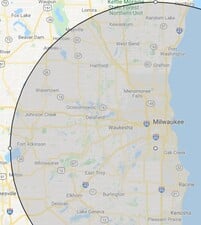
Serving Racine, WI and surrounding areas

In business since 2019

Free estimates

Credit card accepted

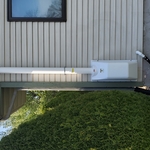
"If you want the job done quickly and done right, Safe Haven Radon is it. On time for quote appointment and later scheduled work. Easily came up with a plan to mitigate the whole basement with one fan. VS another company wanted to install 2 fans which would only cover half the basement and we could â wait and see if more work needed to be done.â Safe Haven Radon was the only company that wanted to make sure the radon levels in the WHOLE house would be close to zero. They also guaranteed that once the work was done radon levels would be below 1. Another company told me â you donâ t live in the kitchen, so we donâ t need to test there.â Why would we do all this work and NOT make sure the whole house was safe? Safe Haven Radon did the work in a few days, made sure all the pipes were in unfinished areas, and left areas impeccably clean. He also made sure that the outside fan and pipes were in an area that made sense for the house, near other pipes and A/C, even though it meant doing a little extra inside work. These guys were the best!"
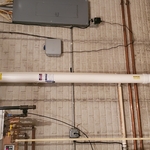
Suction point
Residential system
Response time8 hrs
Recommended by100%of homeowners
Avatar for Brew Inspection Service, LLC
Brew Inspection Service, LLC
4.9(
8
)

Serving Racine, WI and surrounding areas

In business since 2020

Free estimates

"Had I gone through with the home purchase we would have selected them for our inspection. Fast response and excellent availability to meet the needs of the customer!"
Response time1 day
Recommended by85%of homeowners
Showing 1-10 of 14
Radon Detection and Reduction questions, answered by experts

A homeowner can install a radon mitigation system on their own. But it’s a challenging DIY that requires a lot of knowledge about radon mitigation as well as familiarity with local regulations. You do not want to risk an improper installation that leaves the system unable to detect radon or gives it a shortened life span. Relying on a professional is the surest way to guarantee a successful installation.

No level of radon is technically safe, but since it is naturally present everywhere, it is impossible to avoid entirely. The average radon level in homes across the United States is 1.3 picocuries per liter (pCi/L). The Environmental Protection Agency (EPA) recommends taking action to reduce radon levels if your home's test results are between 2 and 4 pCi/L or higher.

The average radon mitigation system uses about 876 kWh of electricity per year, although the exact amount of electricity used will vary depending on the size of the radon fan. Once the system is installed, the annual increase to your energy bill could range from $30 to $300 per year, again depending on the size of the fan.

Radon is present almost everywhere but, like sunlight, the concentration levels and how often you are exposed to it have a large part to play in just how dangerous it is. There are levels of radon that are acceptable inside a house, but above a certain limit, radon becomes a serious radioactive hazard that is a known cause of lung cancer. In fact, radon exposure is the number two leading cause of lung cancer (after smoking).

The lifespan of a radon mitigation system depends on the type of system and its maintenance. With proper care, a system can last for many decades. Passive systems tend to last longer as they have fewer components that require replacement. Active systems, which have more moving parts like fans, generally have a shorter lifespan. For instance, water filtration devices and active pressurization systems require more frequent maintenance. While the system as a whole is durable, the radon fan in an active system typically has a lifespan of 5 to 10 years and will need to be replaced. As long as the fan is working, the mitigation system should function correctly.

The Racine, WI homeowners’ guide to radon detection and reduction services

From average costs to expert advice, get all the answers you need to get your job done.