

Top-rated drywall pros.

Get matched with top drywall pros in Cedar Grove, WI

Enter your zip and get matched with up to 5 pros

Need a pro for your drywall service project in Cedar Grove, WI?

Select your specific project to find the pro for you.

TRUSTED BY CEDAR GROVE, WI HOMEOWNERS

  • Average homeowner rating star icon4.5
    Average homeowner rating
  • Verified reviews icon22
    Verified drywall services reviews

Find Drywall pros in Cedar Grove

Avatar for Dentice Drywall LLC
Dentice Drywall LLC
5.0(
2
)
Drywall - InstallDrywall - Install - For BusinessDrywall - Repair+1 more

Serving Cedar Grove, WI and surrounding areas

Free estimates

Emergency services offered

Credit card accepted

"We had an amazing experience with this drywall company. The crew was professional, on time, and did excellent work. The walls came out smooth and flawless, and they left everything clean when they finished. Great communication and attention to detail throughout the whole process. I highly recommend them!"
Glenroy Flood Repair

+2

Avatar for The Mini Convenience Home Repair & Services
The Mini Convenience Home Repair & Services
5.0(
6
)
Drywall - InstallDrywall - Install - For BusinessDrywall - Repair+1 more

Serving Cedar Grove, WI and surrounding areas

"The work went very well, my wife and I were pleased with the prompt professional service. The price was affordable and the work was great, once finished he cleaned after himself and made sure we were satisfied. I would definitely refer this company to anyone I know who needs any home repair work. Chris met our expectations and beyond with the affordable price and high quality service along with a time frame."
Remodeling - General Project

+25

Recommended by100%of homeowners
...
Showing 1-10 of 62
Drywall questions, answered by experts

The easiest way to tell if a wall is load bearing is to check if it’s an exterior wall or if it runs perpendicular to the joists above and below it (or parallel to beams). Exterior walls are almost always load-bearing, and walls that run under beams or parallel to them are also usually load-bearing. There are exceptions to these rules, and walls that don’t fit into these categories can still be load-bearing. If you’re unsure, hire a structural engineer to look at your home to assess whether or not the wall is structural.

Although they have similar applications, spackle and joint compound are not the same. Their primary differences lie in their composition, consistency, and ideal use cases.

Spackle is composed of gypsum and binding agents, making it thicker than joint compound. It dries quickly and is easy to sand, which makes it ideal for small wall repair projects like filling nail holes or patching minor damage.

Joint compound, also known as drywall mud, consists of limestone and gypsum. It is primarily used for large-scale projects, such as taping and finishing the seams on newly installed drywall. It tends to shrink more than spackle and can be more difficult to spread.

While both products can be used to fill small depressions and cracks, spackle cannot replace joint compound for taping and mudding new drywall. Conversely, you can often use joint compound for small patching jobs typically done with spackle.

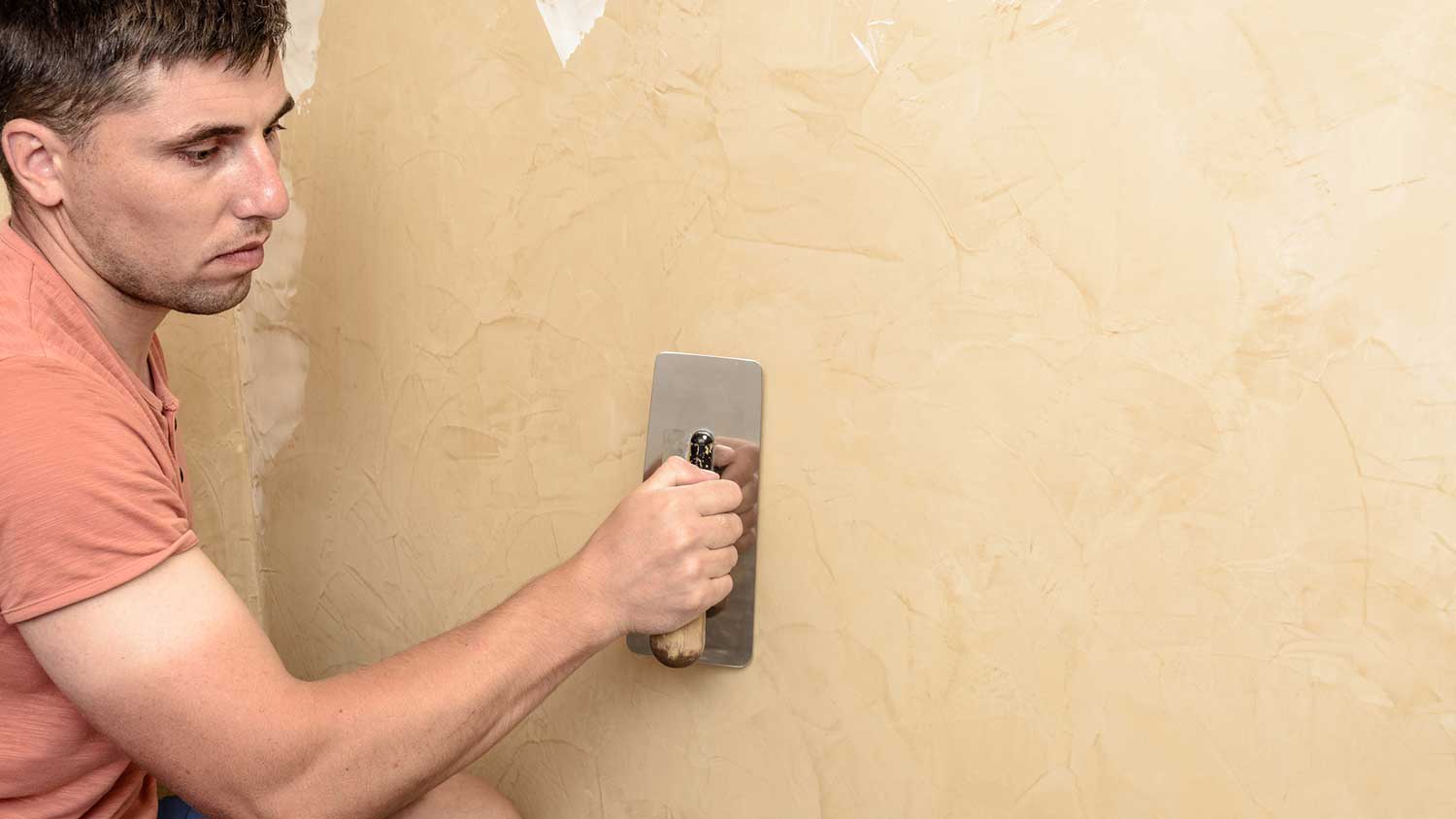
Both plaster and drywall are durable wall finishes, but they differ significantly in installation, cost, performance, and aesthetics.

Installation & Cost: Drywall installation is faster and more affordable, typically costing $1.50 to $3 per square foot. It uses premade sheets, making it a more accessible DIY project. Plastering is a labor-intensive craft that requires specialized skills, pushing costs to $2 to $10 per square foot. It involves applying a wet paste over a lath framework.
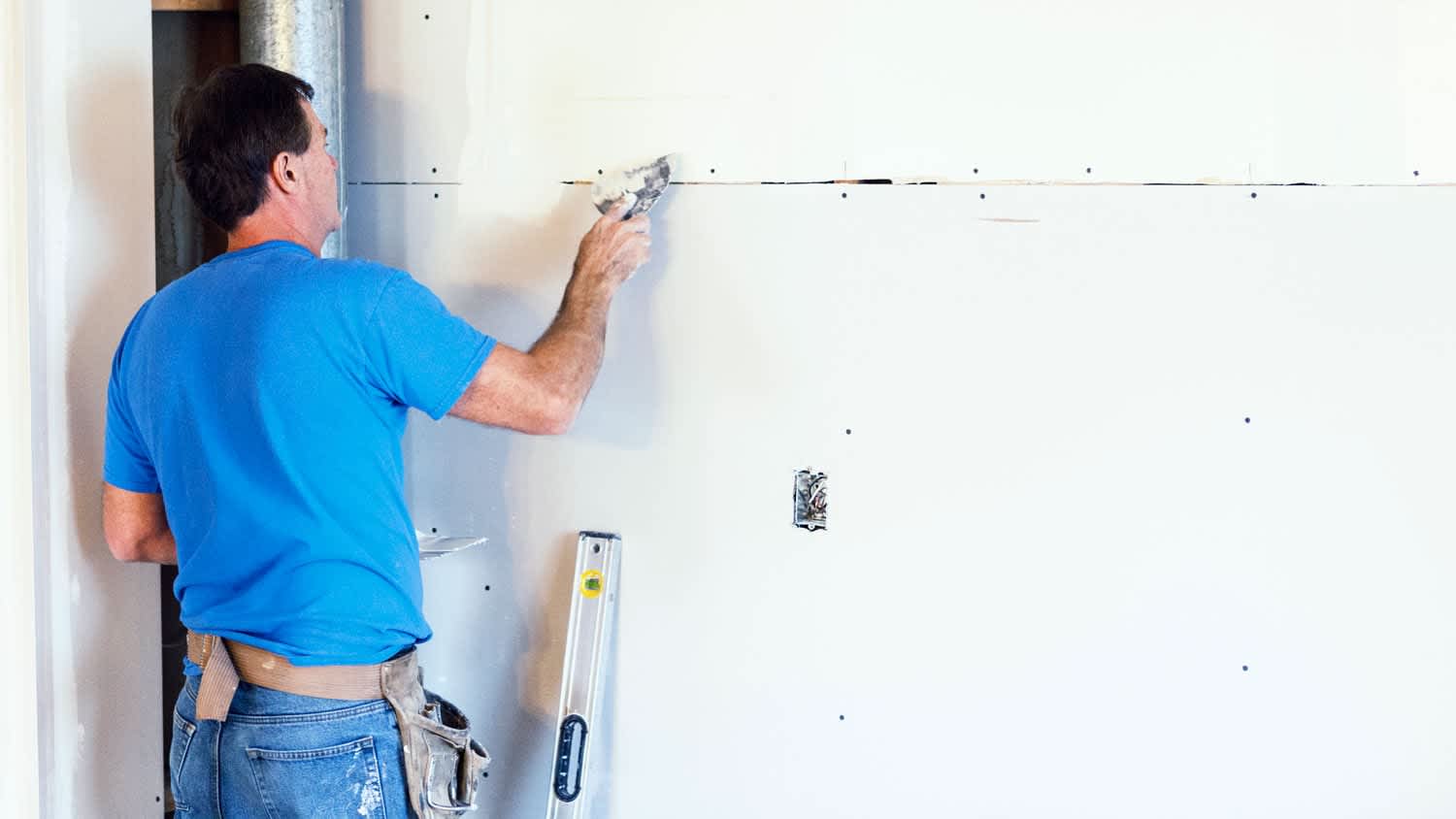
Durability & Performance: Plaster is generally more durable, longer-lasting, and provides superior soundproofing. It is also a better insulator, which can help reduce energy costs. Drywall is easier to remove for future renovations.

Aesthetics: Drywall provides a smooth, uniform surface ready for paint or texture. Plaster offers a high-end, naturally textured look that can hide imperfections and is often preferred for achieving a classic or historic aesthetic.

Which is better? The choice depends on your priorities. Drywall is ideal for those prioritizing a lower upfront cost, faster installation, and DIY potential. Plaster is the better option for a higher-end project where durability, soundproofing, and a unique, premium finish are more important than the initial cost.

If your home’s foundation shifts slightly over time, any seams in the drywall represent the weakest point in the wall, leading to cracks. If your home has significant changes in temperature and humidity, this can cause the drywall to swell and contract slightly, causing a crack at the weak point of the seam. If your drywall installer did a poor job securing the panels to the wall studs, this could cause a weak layout and cracks in the seams.

Whether you need a drywall anchor depends on the specifics of your project, particularly what you're hanging and where. You do not need a drywall anchor if you can screw or nail the object directly into a wooden stud, as the wood provides sufficient support and stability. However, if there are no studs in the location where you plan to hang the item, you should use drywall anchors to ensure it is securely supported. For very lightweight objects, like small pictures, adhesive picture hanging strips can be a suitable alternative to anchors.

The Cedar Grove, WI homeowners’ guide to drywall services

From average costs to expert advice, get all the answers you need to get your job done.