
Top-rated drywall pros.

Best drywall pros near Sheboygan Falls, WI

Enter your zip and get matched with up to 5 pros

Need a pro for your drywall service project in Sheboygan Falls, WI?

Select your specific project to find the pro for you.

TRUSTED BY SHEBOYGAN FALLS, WI HOMEOWNERS

  • Average homeowner rating star icon4.5
    Average homeowner rating
  • Verified reviews icon17
    Verified drywall services reviews

Top-Rated Drywall pros in Sheboygan Falls - Updated Nov 2026

Avatar for S&S Painting and Restoration, LLC
S&S Painting and Restoration, LLC
3.9(
37
)
Drywall - InstallDrywall - Install - For BusinessDrywall - Repair - For Business

Serving Sheboygan Falls, WI and surrounding areas

Approved

In business since 2016

Free estimates

Warranties offered

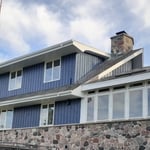
"S & S Painting & Restoration did a great job. Once we were scheduled They contacted us as to the start date & came out to pressure wash our roof, which they completed in one day.. when the weather was right, they came out to apply the primer & 2 top coats to our roof. They also completed it in one day. We have a large farmhouse with a 2 story metal roof with a few different pitches & levels of roof. They were very professional & meticulous in the spraying of the paint. I would recommend their services to anyone looking for a painting company. We have another couple of buildings that we will be scheduling for next spring. We are very satisfied with their work!"
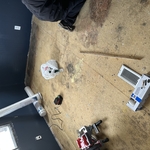
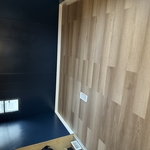
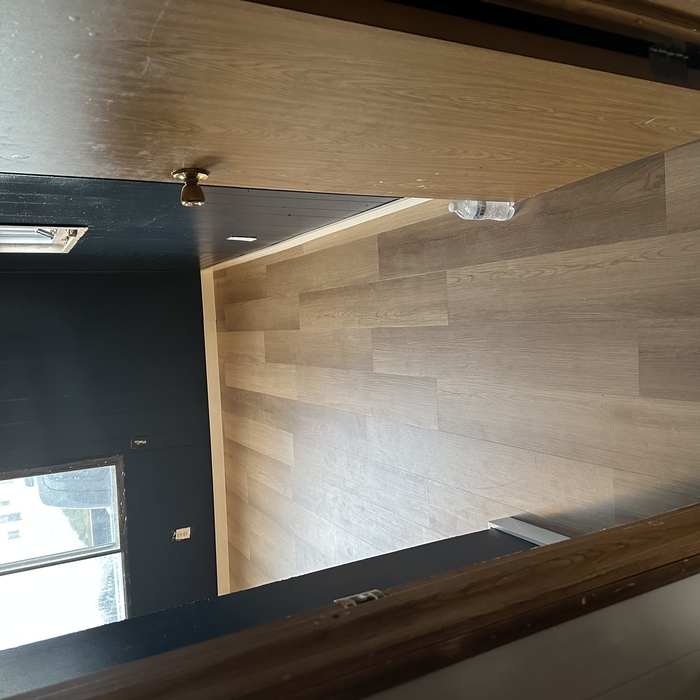
After Restoration
Before Restoration
Before Restoration
After Restoration
Before Restoration

+14

Response time1 day
Response rate93%
78 neighbors recently requested a quote
...
Showing 1-10 of 75
Drywall FAQs, answered by experts

Whether you apply the drywall mesh before or after drywall mud depends on the type of patch it is. For self-adhesive patches, you’ll put the patch down first and then coat it with mud. Mesh patches that are not self-adhesive will require you to put mud down first and then press the mesh into it, followed by additional coats of mud.

Yes, you can speed up the time it takes for plaster to dry, but it's important to do so carefully to avoid issues like cracking or crumbling. Proper ventilation is key; open a window or use a fan to circulate air in the room. Heat can also accelerate drying, but be cautious, as too much heat can cause the plaster to dry too quickly and crack. Check the plaster's packaging for the recommended drying temperature and set the room's thermostat accordingly. While managing humidity is important, avoid using a dehumidifier, which can remove moisture too aggressively and result in crumbly plaster.

Yes, it matters which side of drywall you use. One side is smooth, and the other is rough. The smooth side should be facing outward, toward the room, while the rough side should be hidden and facing the studs and framing of the house. The smooth side will be easier to apply tape, joint compound, and, later, paint to.

There is no way to cut drywall without making dust, but you can reduce the amount of dust and especially the dangerous airborne particles by using manual cutting tools. Using a utility knife to score and snap your drywall will minimize dust production, and a jab saw for cutting cutouts for boxes and fixtures will generate almost no airborne dust. Even if you use these methods, you should still wear a respirator and safety goggles to avoid damage to your lungs and eyes.

Although they have similar applications, spackle and joint compound are not the same. Their primary differences lie in their composition, consistency, and ideal use cases.

Spackle is composed of gypsum and binding agents, making it thicker than joint compound. It dries quickly and is easy to sand, which makes it ideal for small wall repair projects like filling nail holes or patching minor damage.

Joint compound, also known as drywall mud, consists of limestone and gypsum. It is primarily used for large-scale projects, such as taping and finishing the seams on newly installed drywall. It tends to shrink more than spackle and can be more difficult to spread.

While both products can be used to fill small depressions and cracks, spackle cannot replace joint compound for taping and mudding new drywall. Conversely, you can often use joint compound for small patching jobs typically done with spackle.

The Sheboygan Falls, WI homeowners’ guide to drywall services

From average costs to expert advice, get all the answers you need to get your job done.