




Top-rated drywall pros.

Best drywall pros near Glenbeulah, WI

Enter your zip and get matched with up to 5 pros

Need a pro for your drywall service project in Glenbeulah, WI?

Select your specific project to find the pro for you.

Top-Rated Drywall pros in Glenbeulah - Updated Nov 2026

Avatar for Forrest Valley Painting
Forrest Valley Painting
5.0(
6
)
Drywall - Repair

Serving Glenbeulah, WI and surrounding areas

Approved

Free estimates

Small jobs welcome

Credit card accepted

With over 30 of experience we take great pride in our experience, expertise, quality, and customer service that we provide to meet the consumers needs. It is our mission to provide excellent workmanship and complete customer satisfaction from start to completion of a project. In order to understand the needs and expectations of our customers, we take great care to work and communicate with every customer in a professional manner. Our reputation is based on service, safety, and quality, regardless of how large or small the job.
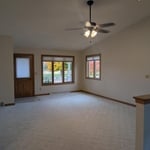
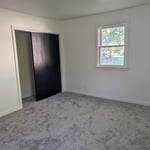
Interior Painting
Interior Painting
Interior Painting
Interior Painting
Interior Painting

+11

6 neighbors recently requested a quote
Avatar for S&S Painting and Restoration, LLC
S&S Painting and Restoration, LLC
3.9(
37
)
Drywall - InstallDrywall - Install - For BusinessDrywall - Repair - For Business

Serving Glenbeulah, WI and surrounding areas

Approved

In business since 2016

Free estimates

Warranties offered

"We had a great experience completely remodeling a kitchen, two bathrooms, flooring, exterior paint and a fireplace restoration (and more). It was amazing working with Bob and the team and we just hired them for another project. Highly recommend."
After Restoration
Before Restoration
Before Restoration
After Restoration
Before Restoration

+14

Response time1 day
Response rate93%
93 neighbors recently requested a quote

...
Showing 1-10 of 72
Drywall FAQs, answered by experts

Yes, cabinets are installed over drywall. The drywall must be in good condition, and you must ensure that the wall can handle the weight of the cabinets. Secure the cabinets to studs and use proper anchoring devices, like toggle bolts.

All plaster walls will crack over time due to normal house settling and expansion and contraction from temperature and moisture changes. Small, thin hairline cracks are generally not serious and are mostly a cosmetic issue. However, larger or more significant cracks can indicate structural problems.

Here's how to tell the difference:

  • Cosmetic Cracks: Cracks that are 0.5 cm (0.2 inches) or thinner are typically cosmetic.

  • Structural Cracks: Cracks wider than 0.5 cm, excessive or deep cracks, multiple cracks in the same area, or cracks that span around corners can signify a structural or foundation issue. Cracks along the joints where walls meet the ceiling also warrant attention.

For cracks wider than 0.5 cm, structural repair is needed. If a crack is 2.5 cm (1 inch) or wider, or if you notice any signs of a structural problem, it is best to contact a plaster repair professional to assess the damage.

Plastering and skimming are two different techniques for finishing walls. Plastering involves applying a thick layer of a plaster mixture—typically containing gypsum, lime, cement, sand, and water—to create a new surface. This process often requires multiple coats and is used for repairing significant damage or creating decorative textures. Skimming, on the other hand, is a technique that involves applying a thin layer of drywall compound or joint compound over an existing surface to smooth it out, covering minor imperfections, small cracks, or uneven textures for a polished look. Plastering is generally more costly and labor-intensive than skimming. Although some people use the terms interchangeably, they refer to different processes and materials.

Yes, drywall nail pops are a common occurrence in homes, both new and old, resulting from the settling and shifting of the structure over time. Though not present in every room or on every wall, encountering nail pops in different sections of a home is not unusual, particularly if the temperature, humidity, or foundation has experienced changes.

The two most common drywall thicknesses for ceilings are 1/2-inch and 5/8-inch. For most standard residential applications, 1/2-inch drywall is sufficient and widely used. It provides adequate support and is lighter and easier to handle during installation compared to thicker sheets. However, 5/8-inch drywall is often used for specific cases where additional benefits are needed. It is heavier but provides superior sound dampening and fire resistance. You should consider using 5/8-inch drywall for ceilings in commercial buildings, between a garage and a living space, or above a finished basement to meet building codes or for enhanced soundproofing.

The Glenbeulah, WI homeowners’ guide to drywall services

From average costs to expert advice, get all the answers you need to get your job done.