
Top-rated asphalt driveway pros.

Get matched with top asphalt driveway pros in Henrico, VA

Enter your zip and get matched with up to 5 pros

Need a pro for your asphalt driveway service project in Henrico, VA?

Select your specific project to find the pro for you.

TRUSTED BY HENRICO, VA HOMEOWNERS

  • Average homeowner rating star icon4.5
    Average homeowner rating
  • Verified reviews icon210
    Verified asphalt driveway services reviews

Find Asphalt driveway pros in Henrico

Avatar for MAGIC SEAL LLC
MAGIC SEAL LLC
5.0(
13
)
Asphalt Sealing

Serving Henrico, VA and surrounding areas

Approved

In business since 2022

Free estimates

Credit card accepted

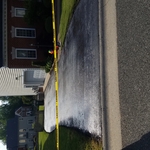
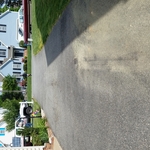
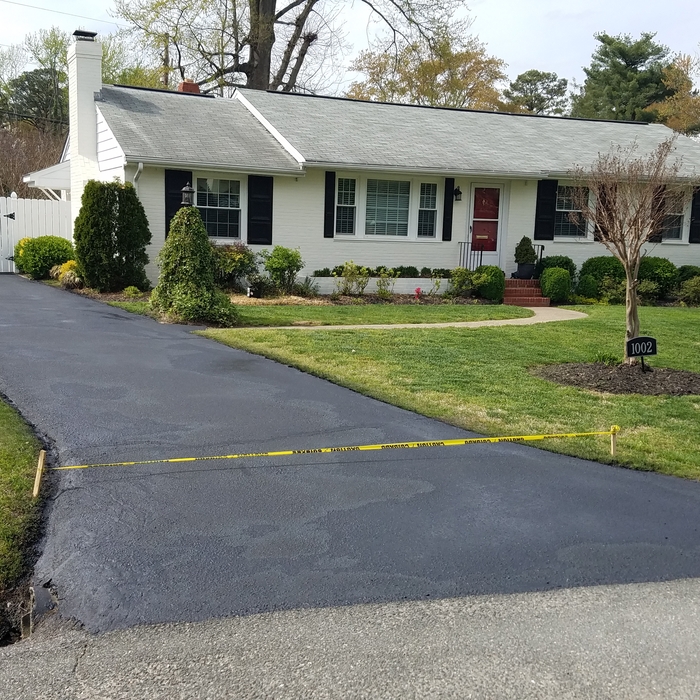
"Magic Seal did an amazing job on my driveway! These guys gave the best quote, fit me in the schedule quickly and did a through job. They edged the driveway, blew it, treated the bigger cracks with extra attention and sealer, then a smooth top coat. Would highly recommend!"
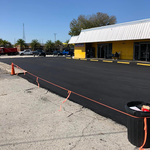
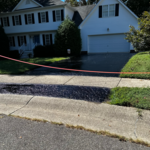
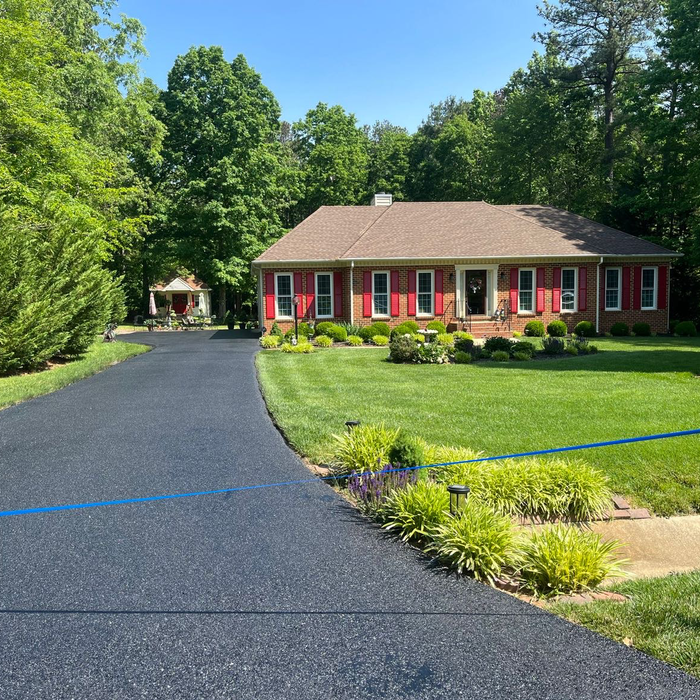
After Installation
Before Installation
Response time6 hrs
Response rate90%
9 neighbors recently requested a quote
...
Showing 1-10 of 280
Asphalt Driveways questions, answered by experts

Common alternatives to a gravel driveway include concrete, asphalt, brick, stone pavers, and permeable pavers. Concrete and asphalt are generally the most affordable options. However, concrete can be prone to cracking in cold climates, while asphalt may soften in areas with high heat and direct sun exposure. For enhanced curb appeal, brick, stone, and permeable pavers are popular choices, though their installation can be more expensive due to intricate designs. Stone pavers offer a natural look and are sometimes installed with gravel around them. Both permeable pavers and brick driveways provide excellent drainage, which helps prevent flooding and reduce water runoff.

Think of the street as a way to capture all the elements on either side of the road, including the road—a street encompasses the homes or other buildings, the trees, and the road of a given area as defined by the beginning and end of the street on a map. A roadway, however, is the component of the street where cars travel.

The dimensions of a driveway apron vary based on local building codes, the width of your driveway, and the distance between the driveway and the road. On average, aprons range from 12 to 24 feet wide and 8 to 18 feet long. Typically, the end of the apron connected to the driveway matches its width—such as 10 to 12 feet for a single-car driveway—while the end at the street flares out to allow cars to turn in and out more easily. In some areas, you may not be responsible for the portion of the apron that extends beyond the sidewalk, but this depends on local laws.

Asphalt and tarmac are not the same thing. Traditional tarmac, short for tarmacadam, uses tar as a binder to hold crushed stone together. Asphalt uses bitumen—a byproduct of crude oil—to bind aggregate. Though tarmac was once a go-to for roads, asphalt has become the modern standard. And these days, most surfaces referred to as “tarmac” are actually asphalt. So, while the names may overlap, the key distinction lies in the binder—tar for tarmac and bitumen for asphalt.

Sometimes, when people talk about asphalt driveways, they’re actually referring to asphalt concrete, which is a completely different compound. Asphalt concrete is asphaltic cement combined with sand or grit. It is significantly more lasting and durable than regular asphalt but also much more expensive. If you’re considering using asphalt concrete, ask an asphalt company for their expert opinions.

The Henrico, VA homeowners’ guide to asphalt driveway services

From average costs to expert advice, get all the answers you need to get your job done.