


Top-rated paving pros.

Best paving pros near Colonial Heights, VA

Enter your zip and get matched with up to 5 pros

Need a pro for your paving service project in Colonial Heights, VA?

Select your specific project to find the pro for you.

TRUSTED BY COLONIAL HEIGHTS, VA HOMEOWNERS

  • Average homeowner rating star icon4.5
    Average homeowner rating
  • Verified reviews icon245
    Verified paving services reviews

Top-Rated Paving pros in Colonial Heights - Updated Nov 2026

Avatar for Pro-Seal
Pro-Seal
4.4(
81
)
Asphalt Paving - InstallAsphalt Paving - Install- For BusinessAsphalt Paving - Repair or Patch+1 more

Serving Colonial Heights, VA and surrounding areas

In business since 1998

Free estimates

Warranties offered

"Sealer was not done well. Did not realizee how bad it was u til I had it done by another company later on. Sealer was thin and slippery when wet. Most disappointing was the tar they left on my from porch and steps when they knocked on my door for payment."
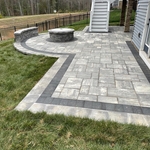
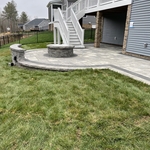
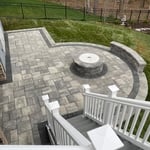
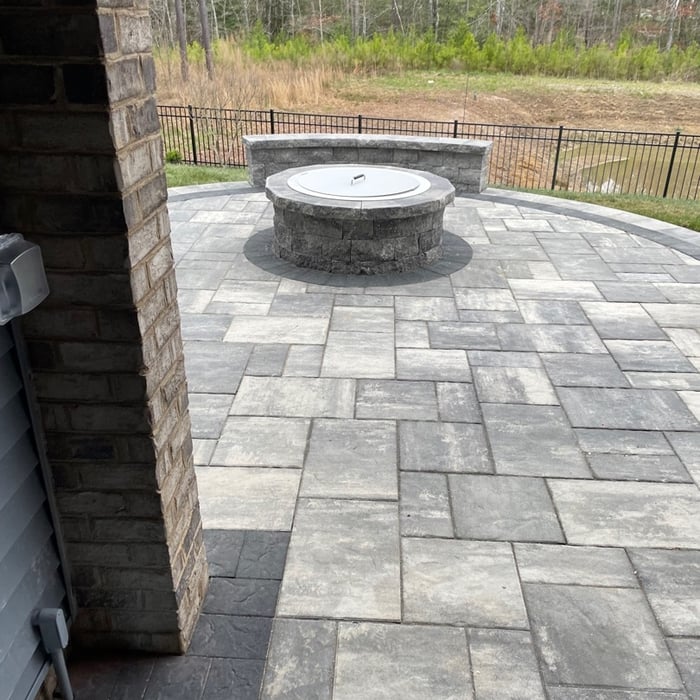
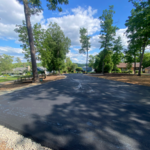
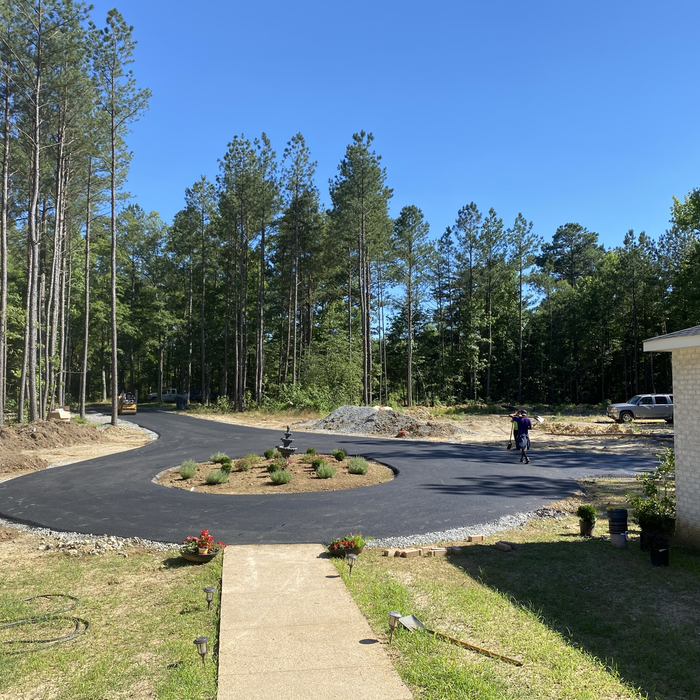
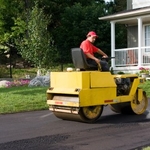
Additional Photos
Additional Photos
Additional Photos
Response time8 hrs
Response rate100%
Recommended by88%of homeowners
...
Showing 1-10 of 110
Paving Services FAQs, answered by experts

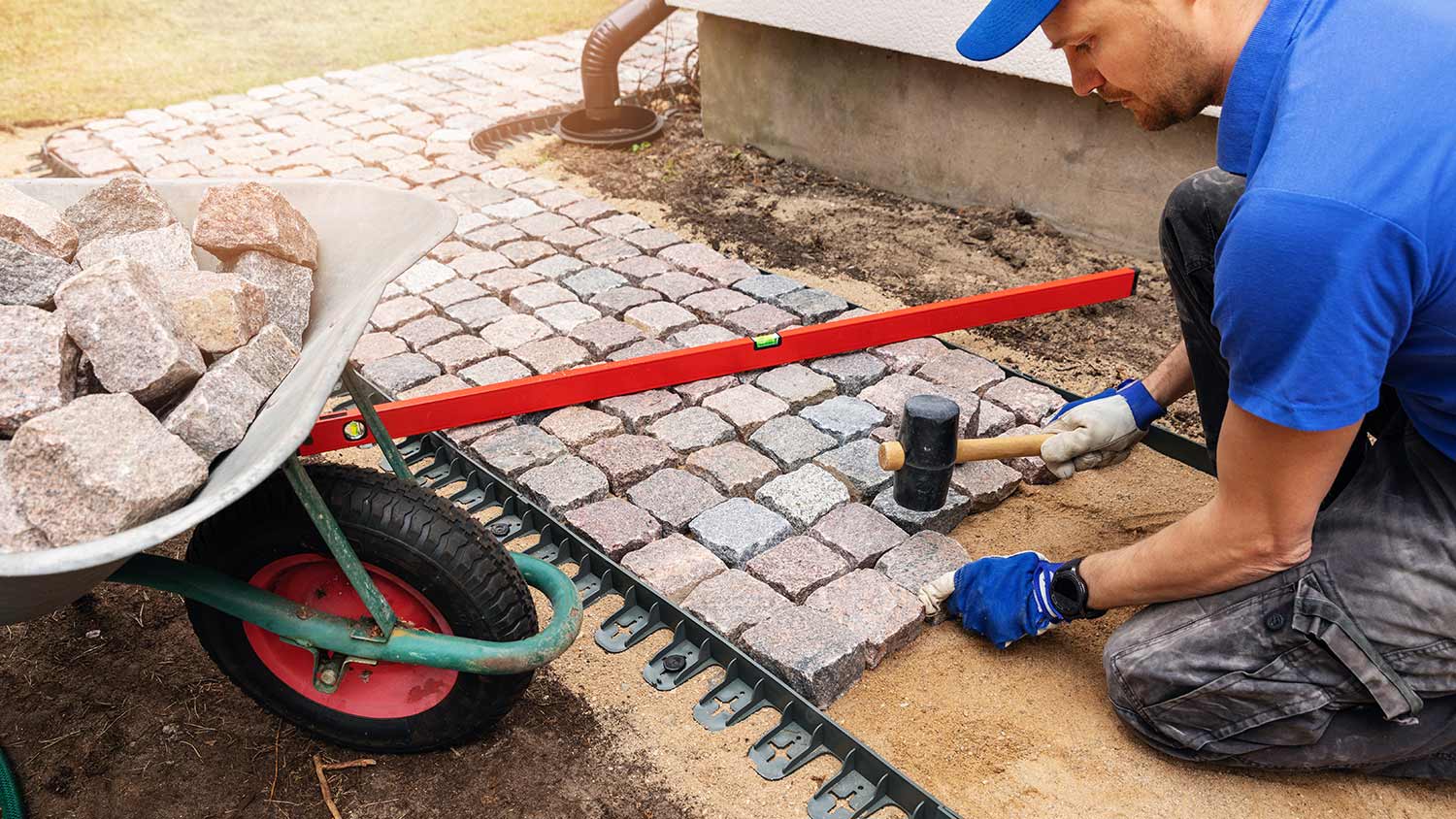
You’ll first need to install a base underneath your pavers for extra stability and drainage. Otherwise, the pavers can sink into the ground, and you’ll have to reinstall them. Use a base gravel layer of 4 to 6 inches for walkways and 10 to 12 inches for driveways. Compact your gravel layer every 2 to 4 inches so it’s nice and solid. After you install your gravel base, apply a 1-inch layer of sand on top.

To adhere pavers to concrete, you can use either mortar or a concrete-specific adhesive. For border pavers, a polyurethane-based adhesive is a good choice as it expands and contracts with temperature changes, keeping them firmly in place. For the non-border pavers, polymeric sand is used between the joints to prevent shifting. In most cases, it is also recommended to lay a permeable sand layer below the pavers to ensure proper stability and drainage. Before starting, always take the proper preparatory steps for a professional result.

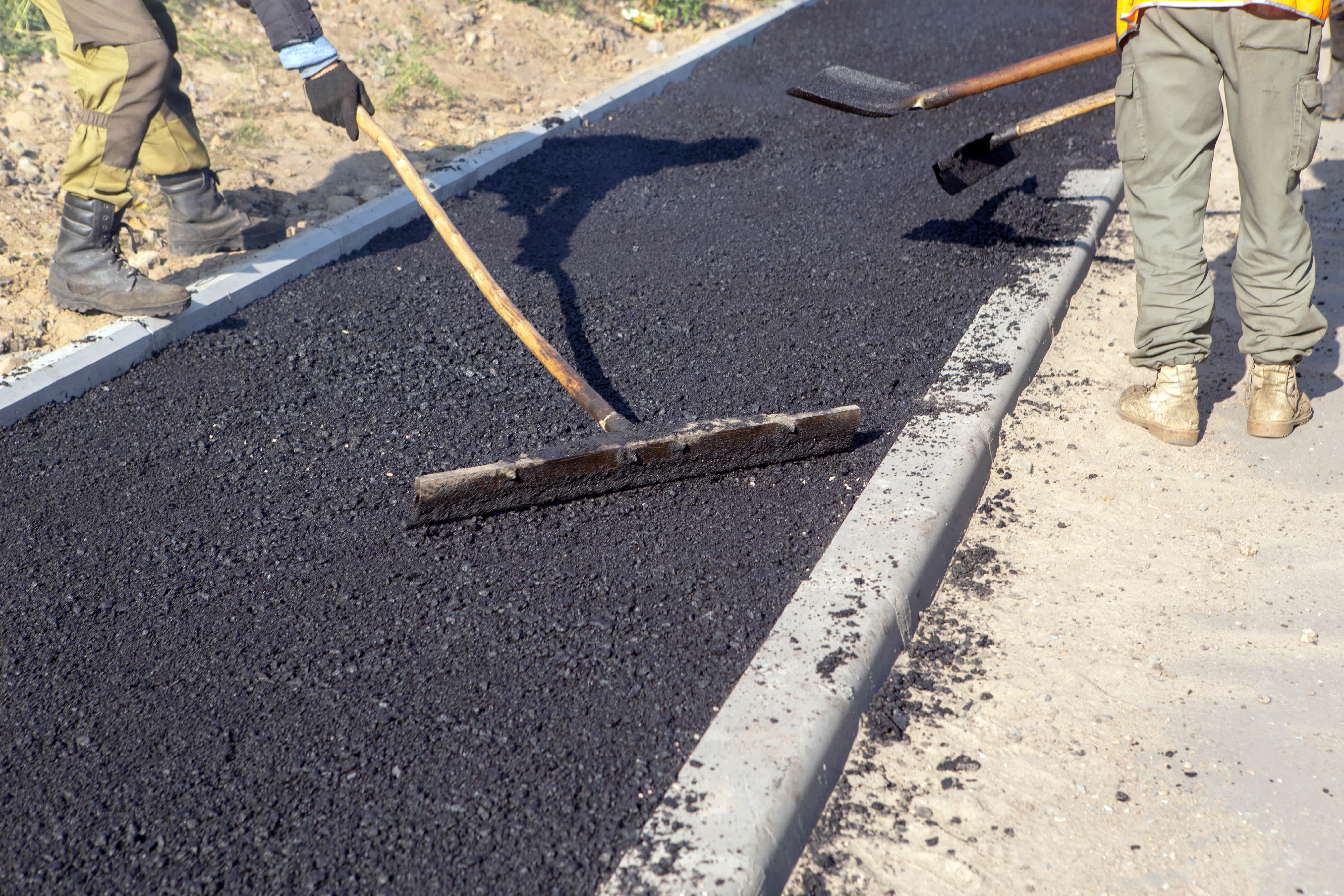
There’s no single best asphalt grade—it all comes down to where and how it’s used. Highways and heavy-traffic roads need something tough, like polymer-modified asphalt (PMA) or Stone Matrix Asphalt (SMA). Local roads and parking lots rely on the Performance Graded (PG) system, chosen based on climate. A PG 64-28 mix, for example, handles a broad temperature range while simpler, more cost-effective mixes are typically enough for residential driveways. The best grade of asphalt depends on traffic, weather, and your budget, which is why a professional’s input is always a smart move before making a decision.

Your city or county will have guidelines about the minimum and maximum width and length of private roads. The average private road is 12 feet wide, and length, of course, depends on your property. Requirements also depend on the amount of traffic and types of vehicles your road experiences. Check with local ordinances before planning a road on your property.

A driveway's lifespan varies by material. Asphalt driveways typically last 15 to 30 years, while concrete driveways last longer, between 20 and 50 years. The longevity of any driveway is affected by factors like extreme temperatures, heavy traffic, and the quality of maintenance. Regular upkeep, such as filling cracks, resealing the surface, and ensuring proper drainage, can help extend its life. For gravel driveways, regrading to fill in uneven areas every year or two is recommended.

The Colonial Heights, VA homeowners’ guide to paving services

From average costs to expert advice, get all the answers you need to get your job done.