
Top-rated paving pros.

Get matched with top paving pros in Quinton, VA

Enter your zip and get matched with up to 5 pros

Need a pro for your paving service project in Quinton, VA?

Select your specific project to find the pro for you.

TRUSTED BY QUINTON, VA HOMEOWNERS

  • Average homeowner rating star icon4.3
    Average homeowner rating
  • Verified reviews icon130
    Verified paving services reviews

Find Paving pros in Quinton

Avatar for ROC Construction LLC
ROC Construction LLC
4.5(
63
)
Asphalt Paving - InstallAsphalt Paving - Repair or PatchGravel or Loose Fill Paving - Install, Spread or Scrape+2 more

Serving Quinton, VA and surrounding areas

Approved

In business since 2003

Free estimates

Credit card accepted

"Very good work on grading and graveliing drive. Good work crew. A little slow on finishing touches due to weather and ho!idays. Could improve a bit on keeping customer informed. Not critical, but would that would improve customer service."
Response time10 hrs
99 neighbors recently requested a quote
Recommended by89%of homeowners
Avatar for York River Outdoors LLC
York River Outdoors LLC
5.0(
14
)
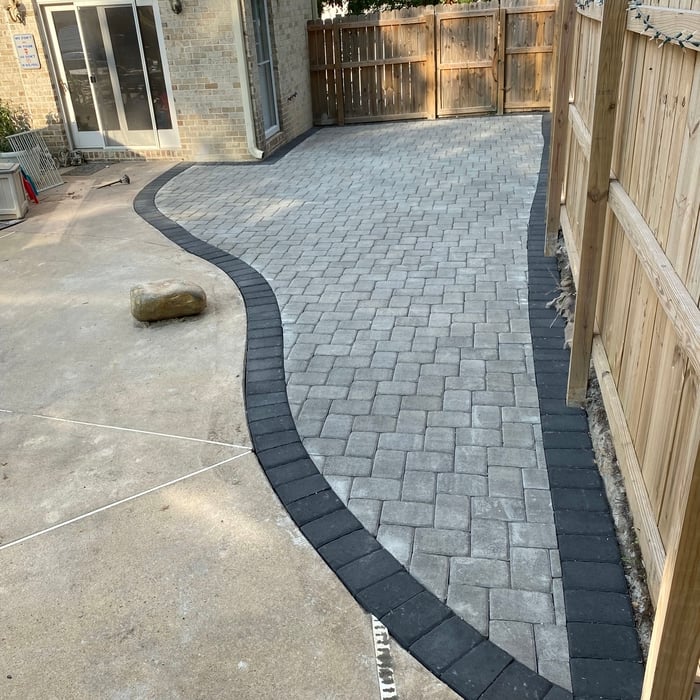
Interlocking Pavers for Patios, Walks & Steps - Install

Serving Quinton, VA and surrounding areas

Approved

Super Service Award Winner

In business since 2024

Free estimates

Warranties offered

"My deck was in bad need of repair due to a lot of rotting wood. The guys from York River outdoors, really went above and beyond with their work, and even repaired portions that were not previously known to be rotted. I highly recommend their services!"
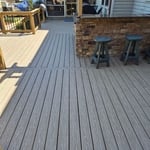
Decks & Porches Project
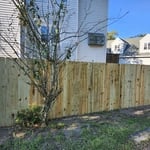
Fencing Project
Fencing Project
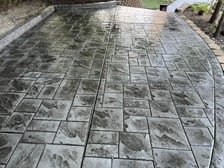
Landscaping - Hardscaping & Pavers Project

+67

Response time1 day
1 neighbors recently requested a quote

Recommended by100%of homeowners
...
Showing 1-10 of 90
Paving Services questions, answered by experts

Wet cutting is usually the preferred method. It controls dust, which helps protect your lungs and makes for a cleaner working environment. Plus, the water cools the blade, preventing overheating and prolonging its life while providing smoother, more precise cuts. The downside is the mess—water and asphalt sludge can be messy to clean. Dry cutting, though convenient if water isn’t available, creates a lot of dust, which can be harmful. This also increases the risk of blade damage due to overheating. So, if you have the option, wet cutting is the better method for most asphalt jobs.

A driveway's lifespan varies by material. Asphalt driveways typically last 15 to 30 years, while concrete driveways last longer, between 20 and 50 years. The longevity of any driveway is affected by factors like extreme temperatures, heavy traffic, and the quality of maintenance. Regular upkeep, such as filling cracks, resealing the surface, and ensuring proper drainage, can help extend its life. For gravel driveways, regrading to fill in uneven areas every year or two is recommended.

Yes, it is possible to pave over an existing driveway, but whether it's the right choice depends on several factors. If the underlying structure of your current driveway is still strong, concrete or asphalt resurfacing can be a cost-effective way to prolong its life. However, if your driveway has significant issues like potholes, deep cracks, or other inconsistencies, it is best to remove the old driveway and start from scratch. Key factors to consider include the current driveway's condition, the compatibility of the new material, the added thickness and height, and the necessary surface preparation.

Gravel is the cheapest way to extend a driveway. Gravel is an affordable, practical option that’s easy to install and perfect for DIY projects, helping you save on labor costs. It can be quickly spread and leveled to create extra driveway space without heavy preparation. While gravel doesn’t offer the same durability or finished look as concrete or asphalt, its low cost makes it ideal for budget-conscious homeowners who want a functional solution without overspending.

To adhere pavers to concrete, you can use either mortar or a concrete-specific adhesive. For border pavers, a polyurethane-based adhesive is a good choice as it expands and contracts with temperature changes, keeping them firmly in place. For the non-border pavers, polymeric sand is used between the joints to prevent shifting. In most cases, it is also recommended to lay a permeable sand layer below the pavers to ensure proper stability and drainage. Before starting, always take the proper preparatory steps for a professional result.

The Quinton, VA homeowners’ guide to paving services

From average costs to expert advice, get all the answers you need to get your job done.