"Absolutely amazing job, hard working employee that helped us! Down to earth and really cared about what our needs were. Worked to exceed above and beyond our expectations and would refer to everyone needing these services."
"They did good work. Did everything that I asked for and they did it very well. Cleaned up after themselves and I was very pleased with the job they did for us."
We take great pride in our experience, expertise, quality and customer service that we provide to meet the consumers' needs. It is our mission to provide excellent workmanship and complete customer satisfaction from start to completion of a project. In order to understand the needs and expectations of our customers, we take great care to work and communicate with every customer in a professional manner. Our reputation is based on service, safety and quality, regardless of how large or small the job.
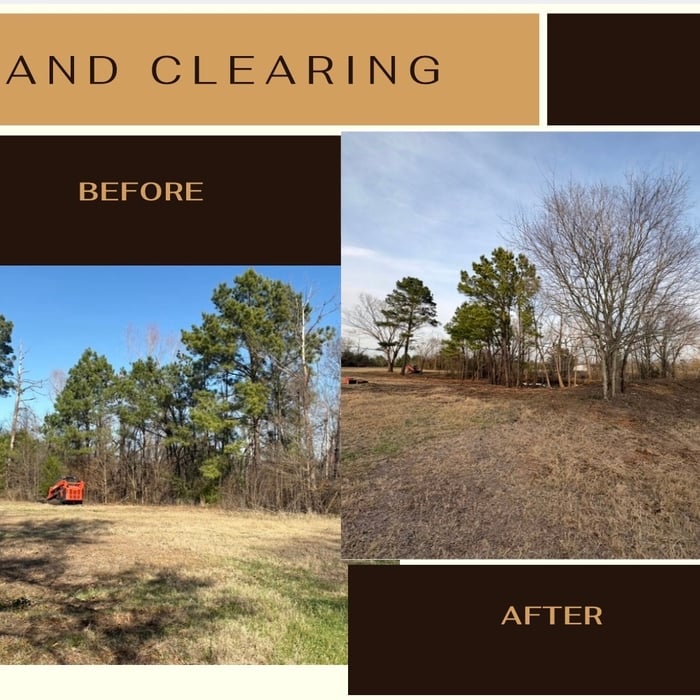
With over 20 years experience, Texas Custom, is the professional to call the next time you have a project that you need finished expertly. No job is too small, no job is too large. I have many satisfied customers throughout North Texas and quality is of the utmost importance. Call me for a free quote when you are a planning a home improvement project.
While you can save some money by digging your own pool, you may end up paying more in construction equipment rental fees in the long run. You could, however, focus your DIY energies on lowering the cost of leveling your lawn for your pool or filling in surrounding landscaping after construction.
You should dig 3 to 6 inches deep for plastic edging. Dig as wide as you need to fit your plastic edging into it—2 inches is usually sufficient.
How deep your septic system needs to be into the ground depends on several factors. In extremely cold environments, the tank needs to rest below the maximum frost line, which can be up to six or eight feet deep. The standard burying depth for most systems is between a few inches and four feet below ground level. Depth can also depend on the slope of the landscaping and other property variables.
Hard soil could be a sign of overly dry dirt, either from poor drainage or drought. It's important to test the nutrient levels, density, and drainage capacity of your soil to see if it's absorbing water properly. Begin by adding a light layer of water and observing how long the soil retains moisture. If you experience a good deal of runoff, you may need to aerate your lawn, apply a wetting agent, or hire a professional for a closer look.
If you’re planning to dig on your property, you’ll need to check for underground utility lines. Call the national call-before-you-dig 811 number. Once connected to an operator, you can schedule a site visit to mark underground lines. This way, you won’t accidentally dig into pipes and can cause major (read: costly) issues.
The Wellington, TX homeowners’ guide to excavation services
From average costs to expert advice, get all the answers you need to get your job done.
Excavation costs $1,500 to $6,300 for most residential projects—but it depends on factors like the size of the area. This guide will help you plan a budget.
You can't have an in-ground pool without digging into the ground. How much does pool excavation cost, and can you take it on yourself? Our guide explains.