





Top-rated excavation pros.

Get matched with top excavation pros in Sentinel, OK

Enter your zip and get matched with up to 5 pros

Need a pro for your excavation project in Sentinel, OK?

Select your specific project to find the pro for you.

Find Excavation pros in Sentinel

Avatar for Reagan Land & Property Services
Reagan Land & Property Services
5.0(
4
)

Serving Sentinel, OK and surrounding areas

Approved

In business since 2025

Free estimates

Emergency services offered

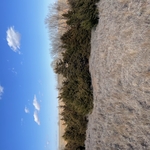
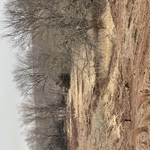
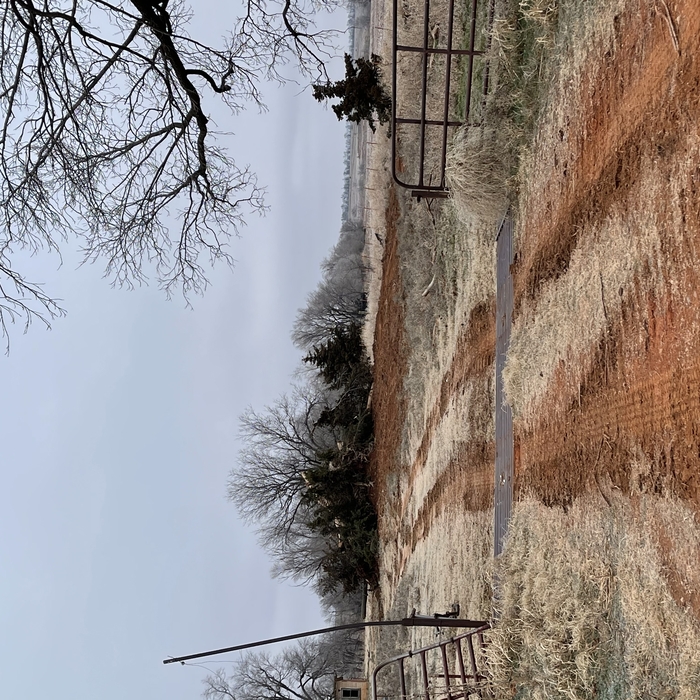
"We had an amazing experience with this company! They came out and cleared a large amount of tree branches from our yard, and the difference is incredible. The team was professional, efficient, and worked quickly without cutting corners. They left everything looking clean and better than expected. Communication was great from start to finish, and they made the whole process easy and stress-free. It’s clear they take pride in their work. We will definitely be using them again and highly recommend them to anyone needing yard cleanup!"
After
Before
Before
Dumping
Before

+37

4 neighbors recently requested a quote
Showing 1-10 of 22
Excavating questions, answered by experts

No, a ditch isn’t a trench. A ditch is an open, relatively shallow channel that’s carved out of the ground and used for drainage purposes. In contrast, a trench is a deeper excavation that’s entirely underground. Trenches have many uses, including gas lines, sewage systems, and electrical wiring. Unlike trenches, ditches don’t get filled back in with dirt after they’re dug.

The best type of soil to build on is a mixture of sand and clay, known as loam soil. Loam soil has the best combination of these soil types to build a foundation on. The clay particles help with water retention, so it won’t erode like sandy soil might, and the sandy particles help with drainage, so you won’t see unsafe soil expansion or have an increased risk of leaks from water sitting against your foundation.

The best way to protect tree roots is to avoid the roots entirely by excavating outside the root radius of the tree. For nearby projects, it’s a good idea to construct a temporary retaining wall. But that’s not always possible, depending on the project and the root system. In these cases, consider using alternative equipment like an auger to tunnel under the ground.

Remember, tree roots can damage nearby cement foundations as they grow. If a tree is close enough to interfere with large excavations, it may be better to remove the tree than risk future problems.

Yes, trenchers can go through gravel. Gravel is made up of smaller, softer rocks that certain trenchers are able to cut through. Just be sure to use a rock wheel trencher or chain trencher, both of which are made to cut through rocky landscapes and gravel pathways without dulling the teeth or chain.

A joint utility trench, or joint trench, is a long, buried ditch on a property that contains two or more utility lines rather than running the lines in multiple trenches. Some utilities, like gas and electric or electric and communication lines, are better suited to joint trenching, while others, like water and sewer, are not allowed to be in the same trench.

The Sentinel, OK homeowners’ guide to excavation services

From average costs to expert advice, get all the answers you need to get your job done.

What do you need done? We’ll find top pros.
  • 🌱 "Mow a small front yard"
  • 🛠 "Fix a leaking pipe under the sink"
  • 🏠 "Repair shingles on an asphalt roof"