

Top-rated excavation pros.

Best excavation pros near Matador, TX

Enter your zip and get matched with up to 5 pros

Need a pro for your excavation project in Matador, TX?

Select your specific project to find the pro for you.

Top-Rated Excavation pros in Matador - Updated Nov 2026

Avatar for Clay's Clean Up
Clay's Clean Up
4.1(
87
)
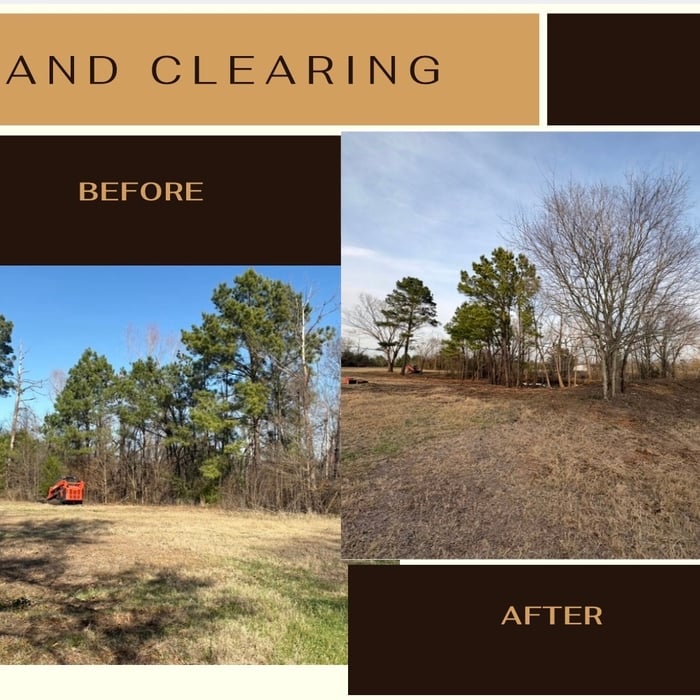
Building Site - Preparation and Clearing

Serving Matador, TX and surrounding areas

In business since 2002

Offers commercial services

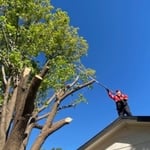
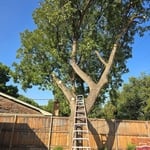
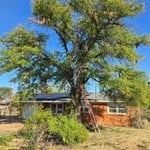
"Clay and his crew cut down two huge elm trees and did an excellent job. He gave me a great price for doing the job and was always wanting to make sure I was satisfied. They did a great cleanup after the trees were cut down and all that was left was two huge stumps and a clean yard. I would definitely recommend Clay’s Cleanup and will use him again when the need arrives. There are no hidden charges, so what he quotes to do the job is what your final price will be. Clay wants to please his customers and he did!!"
Clean Up
Handyman
Fall/Spring Clean Up
Cleanup
Response time2 hrs
Recommended by90%of homeowners
Showing 1-10 of 18
Excavating FAQs, answered by experts

Dumpsters work best on hard, study, and level surfaces made of asphalt, stone, or concrete. If the surface is uneven or too soft, the dumpster could get stuck or tip over when filled. Keep in mind that you must obtain a dumpster permit to keep it on a city street in many areas.

Yes. A metal detector is one of the quickest and easiest ways to find your septic tank. However, metal detectors can be too expensive (costing upward of $300 in some cases), and not everyone has a metal detector just lying around. If that’s the case for you, you can also take a long metal rod and poke it into the ground at regular intervals until you hit something—likely your septic tank lid.

If you don’t wish to dig it out and convert it into a finished basement, you can still encapsulate your crawl space to protect it from damage for an average cost of $5,500. Finishing a crawl space beyond this isn’t really worthwhile, as the low ceilings mean you won’t be able to use the area as living space.

The best way to protect tree roots is to avoid the roots entirely by excavating outside the root radius of the tree. For nearby projects, it’s a good idea to construct a temporary retaining wall. But that’s not always possible, depending on the project and the root system. In these cases, consider using alternative equipment like an auger to tunnel under the ground.

Remember, tree roots can damage nearby cement foundations as they grow. If a tree is close enough to interfere with large excavations, it may be better to remove the tree than risk future problems.

As a general rule, the protected area should be about 1½ times as wide as the canopy of the tree’s leaves. This digging measurement can vary by tree species and the age of the tree. Of course, that can be a lot of fencing for larger trees, which is why our first step is about making difficult decisions on which trees to save.

The Matador, TX homeowners’ guide to excavation services

From average costs to expert advice, get all the answers you need to get your job done.