




Top-rated excavation pros.

Get matched with top excavation pros in Quanah, TX

Enter your zip and get matched with up to 5 pros

Need a pro for your excavation project in Quanah, TX?

Select your specific project to find the pro for you.

Find Excavation pros in Quanah

Avatar for Tex-us All purpose
Tex-us All purpose
5.0(
6
)
Building Site - Preparation and ClearingExcavation - Major Grading or ReslopingExcavation - Major Grading or Resloping - For Business+1 more

Serving Quanah, TX and surrounding areas

In business since 2009

Free estimates

Emergency services offered

"I hired Texas Quality Cleaning Services for a move out clean of a 2300sq' house I had rented for 2 years. They provided very efficient cleaning services including cabinets, appliances, floors, walls, window sills, bathrooms, drawer wipe downs, behind and under appliances, windows and so much more. They did an outstanding job and I would definitely hire them again."
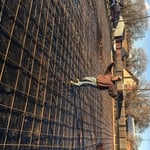
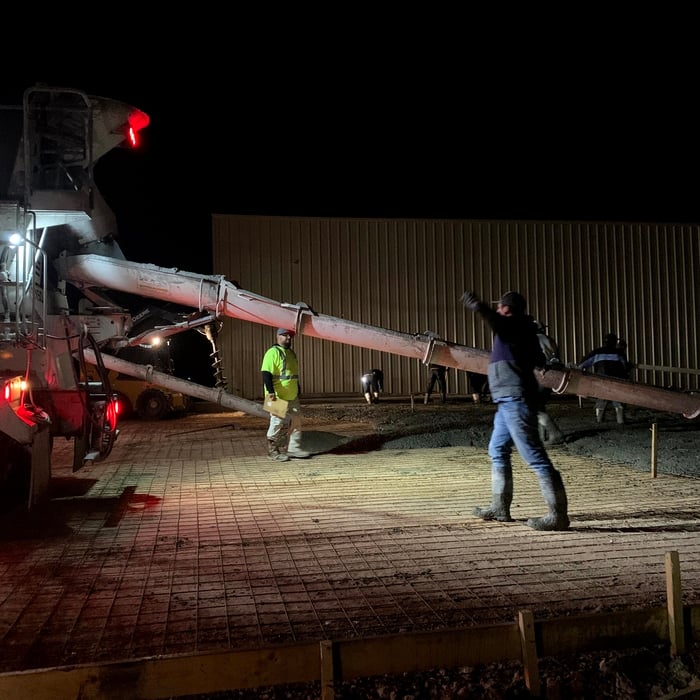
The Owner setting an example of the working Man
Owner caught on Camera the Working Man......
I Got This
Its here
Here we go!!

+10

Response time2 days
Response rate94%
Recommended by100%of homeowners
Texas Custom
New to Angi
Landscape - Minor Grading or Resloping

Serving Quanah, TX and surrounding areas

In business since 2015

Free estimates

Credit card accepted

With over 20 years experience, Texas Custom, is the professional to call the next time you have a project that you need finished expertly. No job is too small, no job is too large. I have many satisfied customers throughout North Texas and quality is of the utmost importance. Call me for a free quote when you are a planning a home improvement project.

Response time12 hrs
Showing 1-10 of 17
Excavating questions, answered by experts

Chipmunks dig their burrows about three feet deep and up to 30 feet long. The entrances can be two inches wide or more. Chipmunks are fiercely protective of their burrows and use them to protect the nuts and seeds they gather for the long winters.

In the United States, a depth of 36 inches (three feet) for underground water lines is the accepted industry standard. This depth varies from location to location based on local conditions. In areas with colder winters, they may be buried deeper to prevent frozen well water pipes : This is usually at least six inches below the frost level. The International Plumbing Code calls for a minimum of 12 inches below grade.

The digging depth will depend on the size of the trencher you use. Even smaller units can dig up to 4 feet deep, which is plenty for a DIY job. However, much larger trenchers can reach a depth of 18 feet and are better used by a team of pro contractors, not a single DIYer. As with all home improvement projects, use the right tool for the job and proceed with caution.

The best type of soil to build on is a mixture of sand and clay, known as loam soil. Loam soil has the best combination of these soil types to build a foundation on. The clay particles help with water retention, so it won’t erode like sandy soil might, and the sandy particles help with drainage, so you won’t see unsafe soil expansion or have an increased risk of leaks from water sitting against your foundation.

If you have a broken sprinkler pipe underground, there will be some signs you can easily spot to locate it and take action. These include leaks, water spouts, flooding, consistently damp areas on your lawn, low water pressure, and grass around the sprinkler head that’s taller and darker than anywhere else in the yard. 

If there are no obvious signs of a broken pipe, you can use tools such as water leak mics, leak noise loggers, audio devices that record leaks, and acoustic testing links. 

Broken pipes can lead to uneven watering, plant damage, and higher utility bills. The longer you wait to fix them the more the repair cost may be.

The Quanah, TX homeowners’ guide to excavation services

From average costs to expert advice, get all the answers you need to get your job done.