





Top-rated excavation pros.

Best excavation pros near Pampa, TX

Enter your zip and get matched with up to 5 pros

Need a pro for your excavation project in Pampa, TX?

Select your specific project to find the pro for you.

Top-Rated Excavation pros in Pampa - Updated Nov 2026

Avatar for Antelope Creek Land Maintenance LLC
Antelope Creek Land Maintenance LLC
5.0(
2
)
Building Site - Preparation and ClearingLandscape - Minor Grading or Resloping

Serving Pampa, TX and surrounding areas

Approved

In business since 2021

Free estimates

Credit card accepted

We pride our company on reliability, great communication, integrity, and quality work. We are experts in our trade and will do our best to keep you as educated as we can on your particular task or project. We look forward to earning your business! Book with us online or feel free to give us a call today!

Response time8 hrs
Recommended by100%of homeowners

Avatar for BTL Woodworking - Home  Facebook
BTL Woodworking - Home Facebook
5.0(
2
)
Building Site - Preparation and Clearing

Serving Pampa, TX and surrounding areas

In business since 2017

Free estimates

"Very trustworthy, even when you are not in your home! He is very good about cleaning up his messes, daily. He does not leave anything out. Very dependable. Amazing price for the quality of work! -Lacy"
Kitchen 5
Kitchen 4
Kitchen 3
Kitchen 2
Kitchen 1

+24

Response time12 hrs
Recommended by100%of homeowners

Showing 1-10 of 28
Excavating FAQs, answered by experts

Digging a bush up by the roots is the most natural DIY method for removing a bush stump. Start by identifying the shrub type and revealing its roots. Cut the shrub to its base and loosen the soil, ensuring no utility lines are nearby. Optionally, treat the base with herbicide, then dig around the roots and cut a circle around the shrub using various tools. Dig a trench, cut the base of the root ball, and finally fill the hole to prevent regrowth. This thorough process ensures complete removal without damaging surrounding areas.

No, a ditch isn’t a trench. A ditch is an open, relatively shallow channel that’s carved out of the ground and used for drainage purposes. In contrast, a trench is a deeper excavation that’s entirely underground. Trenches have many uses, including gas lines, sewage systems, and electrical wiring. Unlike trenches, ditches don’t get filled back in with dirt after they’re dug.

Trenching and boring are two distinct methods for installing underground utilities. Trenching involves digging a channel using equipment like an excavator, trencher, backhoe, or shovel. While it is a simpler process, it causes significant disruption to the surface, landscaping, and surrounding ecosystems.

Boring, also known as directional boring, is a less invasive alternative that uses a drill to create a tunnel for utility lines without disturbing the surface. This method is more precise and is ideal for installations that need to go underneath buildings, roads, or bodies of water. Although boring is less disruptive, it is generally more expensive than trenching.

Concrete blocks are the cheapest way to base a shed. However, the space in between allows critters to go under, burrow, and even damage your shed’s frame. For a more pest-proof option, consider building a shed base with gravel or paver stones. Both options are fairly affordable and easy enough for a DIY project. For gravel, you can build a wooden frame to contain the loose material.
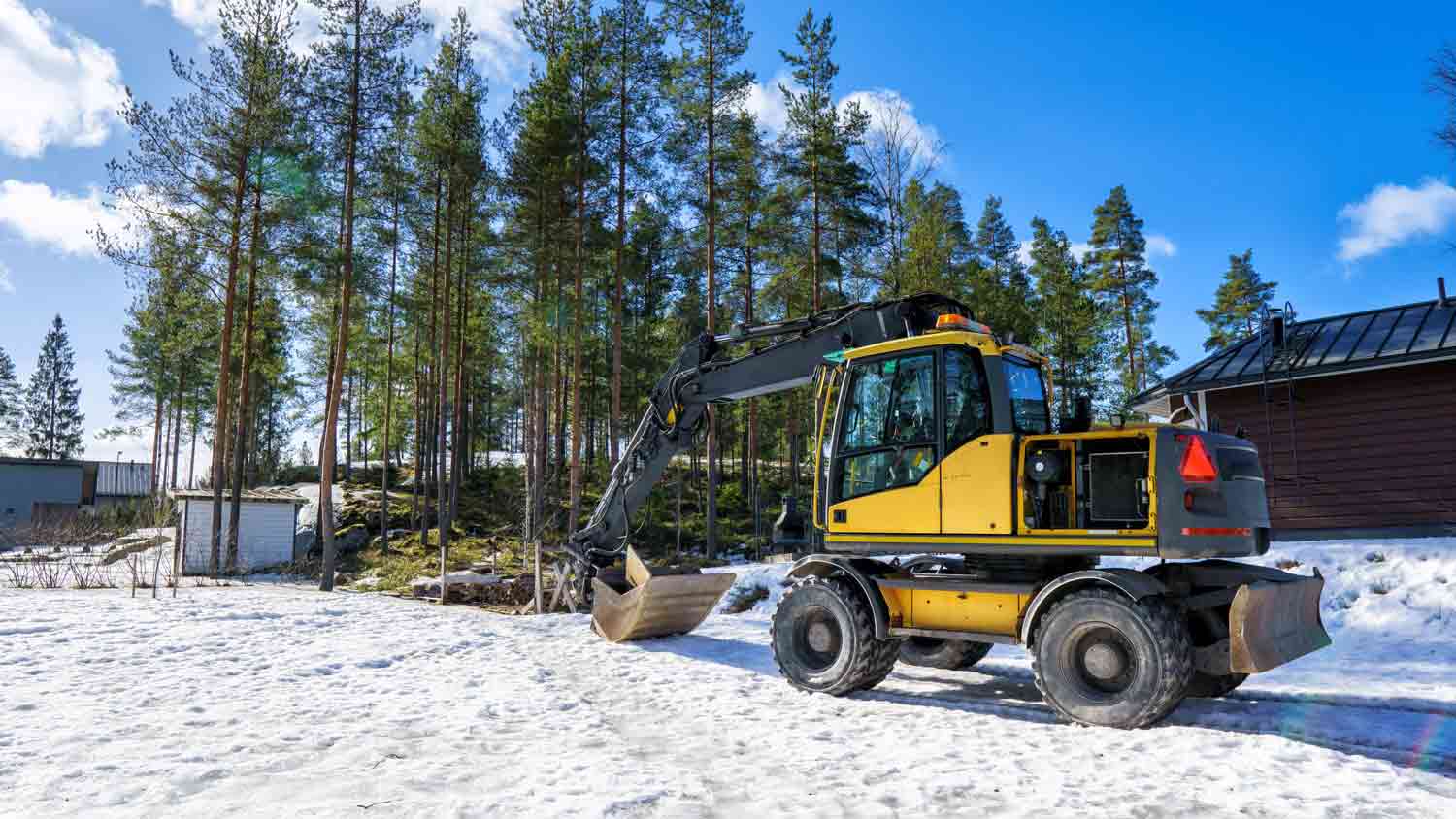
While general contractors sometimes handle demolition, you can also look specifically for local demolition contractors. Demolition experts need to understand structural integrity, the equipment needed for safe demolition, and the permits required for demolition.
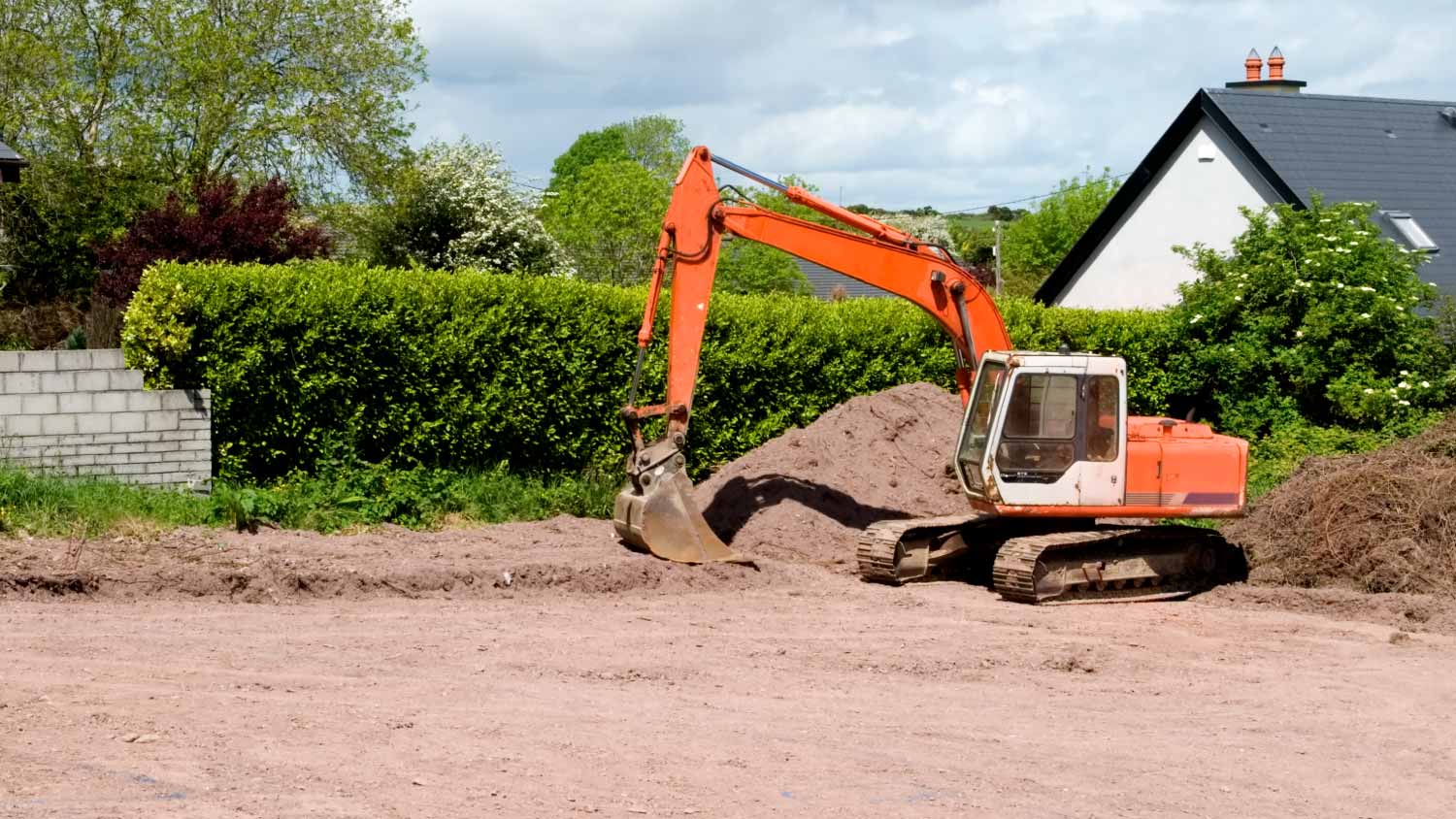
The Pampa, TX homeowners’ guide to excavation services

From average costs to expert advice, get all the answers you need to get your job done.