



Top-rated excavation pros.

Get matched with top excavation pros in Alanreed, TX

Enter your zip and get matched with up to 5 pros

Need a pro for your excavation project in Alanreed, TX?

Select your specific project to find the pro for you.

Find Excavation pros in Alanreed

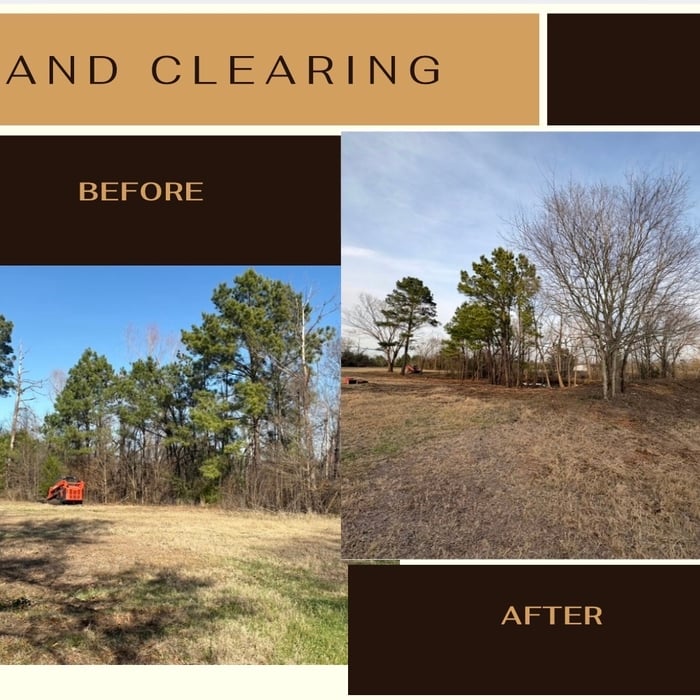
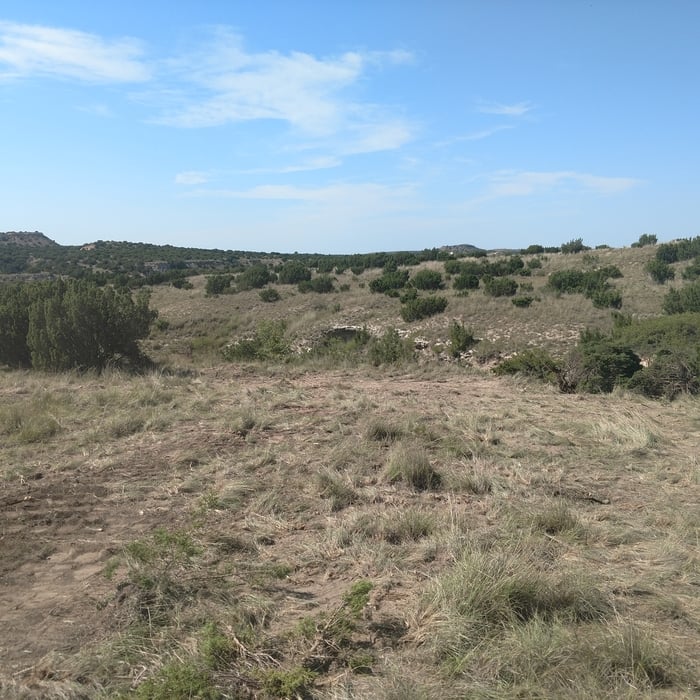
Avatar for Antelope Creek Land Maintenance LLC
Antelope Creek Land Maintenance LLC
5.0(
2
)

Serving Alanreed, TX and surrounding areas

Approved

In business since 2021

Free estimates

Credit card accepted

We pride our company on reliability, great communication, integrity, and quality work. We are experts in our trade and will do our best to keep you as educated as we can on your particular task or project. We look forward to earning your business! Book with us online or feel free to give us a call today!

Response time8 hrs
Recommended by100%of homeowners
Avatar for BTL Woodworking - Home  Facebook
BTL Woodworking - Home Facebook
5.0(
2
)

Serving Alanreed, TX and surrounding areas

In business since 2017

Free estimates

"Very trustworthy, even when you are not in your home! He is very good about cleaning up his messes, daily. He does not leave anything out. Very dependable. Amazing price for the quality of work! -Lacy"
Kitchen 5
Kitchen 4
Kitchen 3
Kitchen 2
Kitchen 1

+24

Response time12 hrs
Recommended by100%of homeowners
Showing 1-10 of 19
Excavating questions, answered by experts

Yes, you can install a trench drain if you already have concrete in your yard or garden. While it can complicate some aspects of the job and slightly run up the cost, it is doable. Residential trench drains can be easily retrofitted to outdoor areas with concrete without having to remove excessive amounts of your patio, pool area, or decorative walkways.

There is no standard depth for burying a septic tank; they are typically buried anywhere from 4 inches to 4 feet underground. The final depth depends on several factors, including the depth of your main sewer line, the height of the bedrock, soil type, local regulations, and the property's landscape. If you plan to grow grass or plants over the tank, a depth of at least 4 to 6 inches is recommended. Deeper tanks can be more difficult to locate, but a septic professional can help find it for you.

In the United States, a depth of 36 inches (three feet) for underground water lines is the accepted industry standard. This depth varies from location to location based on local conditions. In areas with colder winters, they may be buried deeper to prevent frozen well water pipes : This is usually at least six inches below the frost level. The International Plumbing Code calls for a minimum of 12 inches below grade.

The physical constraints of hand-drilling a well limit the depth you can achieve. Manually digging with picks and shovels may only lead to shallow wells of up to 60 feet in depth. To reach greater depths, you need more specialized equipment. The diameter of your well and the tools you’re using will determine how far down you can dig.

Trenching and boring are two distinct methods for installing underground utilities. Trenching involves digging a channel using equipment like an excavator, trencher, backhoe, or shovel. While it is a simpler process, it causes significant disruption to the surface, landscaping, and surrounding ecosystems.

Boring, also known as directional boring, is a less invasive alternative that uses a drill to create a tunnel for utility lines without disturbing the surface. This method is more precise and is ideal for installations that need to go underneath buildings, roads, or bodies of water. Although boring is less disruptive, it is generally more expensive than trenching.

The Alanreed, TX homeowners’ guide to excavation services

From average costs to expert advice, get all the answers you need to get your job done.