






Top-rated excavation pros.

Get matched with top excavation pros in Olustee, OK

Enter your zip and get matched with up to 5 pros

Need a pro for your excavation project in Olustee, OK?

Select your specific project to find the pro for you.

Find Excavation pros in Olustee

Avatar for Reagan Land & Property Services
Reagan Land & Property Services
5.0(
4
)

Serving Olustee, OK and surrounding areas

Approved

In business since 2025

Free estimates

Emergency services offered

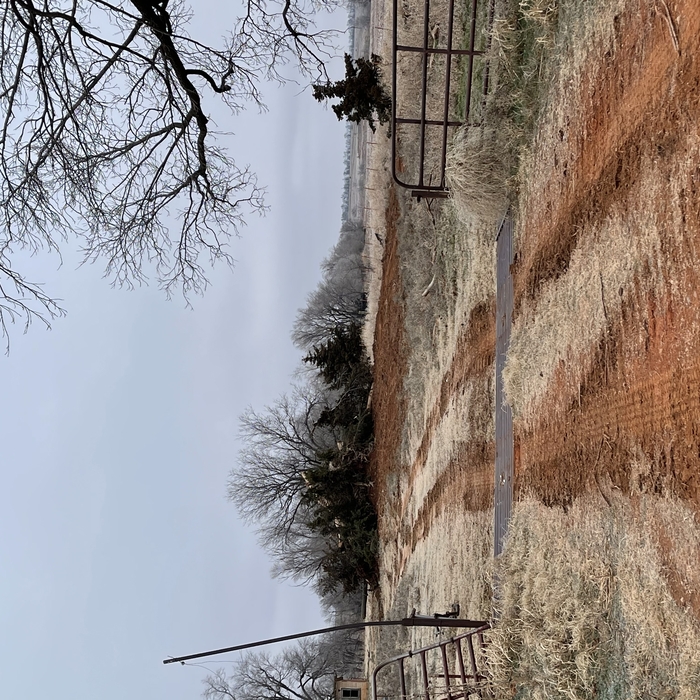
"We had an amazing experience with this company! They came out and cleared a large amount of tree branches from our yard, and the difference is incredible. The team was professional, efficient, and worked quickly without cutting corners. They left everything looking clean and better than expected. Communication was great from start to finish, and they made the whole process easy and stress-free. It’s clear they take pride in their work. We will definitely be using them again and highly recommend them to anyone needing yard cleanup!"
After
Before
Before
Dumping
Before

+37

3 neighbors recently requested a quote
Fuller Welding, Construction
New to Angi

Serving Olustee, OK and surrounding areas

My name is Landon Fuller, and I’m a welder and fabricator based in Clay County, Texas. At 19, I bring several years of hands-on experience in welding, construction, and fabrication, along with four to five years in remodeling and dirt work operating. I take pride in delivering quality craftsmanship, working efficiently, and ensuring every job is done right the first time. I’m hardworking, dependable, and committed to providing reliable results for every project I take on.

Showing 1-10 of 18
Excavating questions, answered by experts

Septic drain lines (or leach lines) are typically buried between 18 and 36 inches underground, and should be at least 6 inches below the surface. These pipes are perforated and surrounded by filtering materials like sand or gravel. Burying the lines at this depth helps minimize odors and allows bacteria and other biological processes in the soil to effectively treat the wastewater. Burying lines too close to the surface can cause issues unless the soil is very compact and stable.

The physical constraints of hand-drilling a well limit the depth you can achieve. Manually digging with picks and shovels may only lead to shallow wells of up to 60 feet in depth. To reach greater depths, you need more specialized equipment. The diameter of your well and the tools you’re using will determine how far down you can dig.

A mini excavator can dig between 5 and 11 feet deep, depending on the type and size of the mini excavator. Mini hydraulic excavators are more powerful and can reach deeper into the earth, but electric models have a more limited range. Mini excavators over two tons in size are also more powerful and able to dig as deep as 11 feet.

Yes, trenchers can go through gravel. Gravel is made up of smaller, softer rocks that certain trenchers are able to cut through. Just be sure to use a rock wheel trencher or chain trencher, both of which are made to cut through rocky landscapes and gravel pathways without dulling the teeth or chain.

Most residential basements are 8 to 10 feet deep. You can dig deeper depending on building codes, but it does become more difficult. You’ll likely need to install stronger foundation walls and additional supports to handle the increased load. Depending on the water table, you may also need a water management system. Clay soil can support a deeper foundation than sandy soil. A structural engineer will be able to tell you the maximum, feasible depth.

The Olustee, OK homeowners’ guide to excavation services

From average costs to expert advice, get all the answers you need to get your job done.