



Top-rated excavation pros.

Get matched with top excavation pros in Blair, OK

Enter your zip and get matched with up to 5 pros

Need a pro for your excavation project in Blair, OK?

Select your specific project to find the pro for you.

Find Excavation pros in Blair

Avatar for Reagan Land & Property Services
Reagan Land & Property Services
5.0(
11
)
Building Site - Preparation and ClearingBuilding Site - Preparation and Clearing - For BusinessExcavation - Major Grading or Resloping+1 more

Serving Blair, OK and surrounding areas

Approved

In business since 2025

Free estimates

Emergency services offered

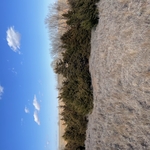
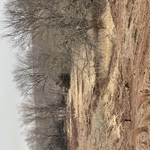
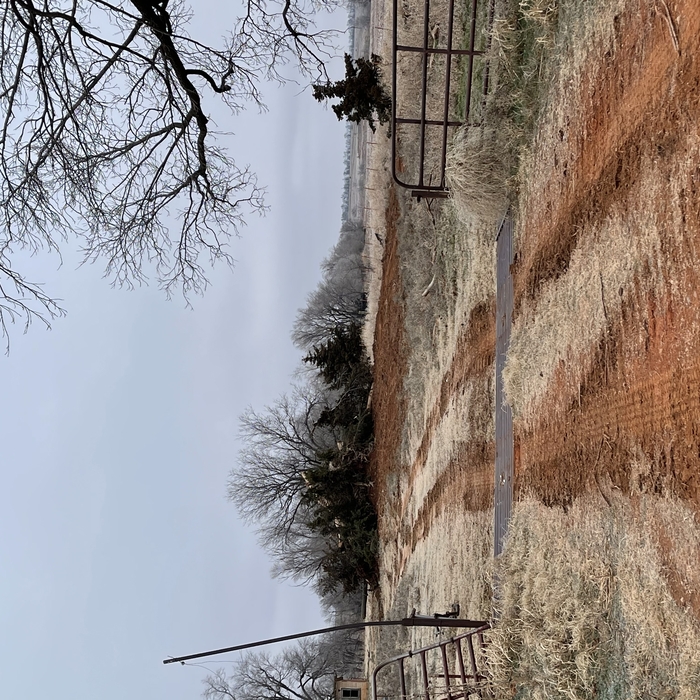
"We had an amazing experience with this company! They came out and cleared a large amount of tree branches from our yard, and the difference is incredible. The team was professional, efficient, and worked quickly without cutting corners. They left everything looking clean and better than expected. Communication was great from start to finish, and they made the whole process easy and stress-free. It’s clear they take pride in their work. We will definitely be using them again and highly recommend them to anyone needing yard cleanup!"
After
Before
Before
Dumping
Before

+37

3 neighbors recently requested a quote
Avatar for C&C Construction & Repair
C&C Construction & Repair
New to Angi
Landscape - Minor Grading or Resloping

Serving Blair, OK and surrounding areas

In business since 1980

Emergency services offered

Small jobs welcome

C&C Construction & Repair likes nothing more than a happy customer. We are independently owned and operated. Everything is done by us and to the highest quality. We have been involved in the trade for years and use only the best products and techniques available. It is very important to the company that the customer is satisfied. We believe that is the only way a business can succeed. Call today for a free estimate.

Showing 1-10 of 22
Excavating questions, answered by experts

No, fire blight does not survive free in the soil but instead is carried through insects, animals, rain, or wind during the spring. Keep in mind that it can also spread on tools, which is why you should always disinfect them in between cuts.

There are several methods to hollow out a tree stump, and the best one depends on your tools, experience, and priorities. Common methods include using a chisel and hammer, a chainsaw, or burning.

  • Chisel and Hammer: This is often considered the easiest approach for those with limited tools or experience, though it is the most time-consuming.

  • Chainsaw: Using a chainsaw is the fastest method, but it comes with significant safety risks, especially for inexperienced users.

  • Burning: This can be an effective method, but it is not recommended unless you can first drill holes into the stump. Without holes, the stump will be difficult to light and may not burn completely through.

A power drill with at least a ⅜-inch diameter bit can make the job quicker and easier, regardless of the primary method. While you can use a chisel or chainsaw without a drill, it will require more time and effort. Always wear protective goggles and thick gloves, as splinters are an inevitable risk.

Consultation with the local government helps identify necessary permits, avoid project delays or legal issues, and protect project integrity.

In most areas, you will need a permit for excavation work, even for projects that only involve grading or yard leveling. Permit requirements depend on your local government and the scope of the project, but they are especially common for significant digging or work that could affect utilities or public property. These permits help protect the local topography and prevent drainage issues. An experienced excavation company will typically know whether permits are needed and can often handle the process of pulling and closing them for you. You can also verify permit requirements by contacting your local building department and describing your project.

Septic drain lines (or leach lines) are typically buried between 18 and 36 inches underground, and should be at least 6 inches below the surface. These pipes are perforated and surrounded by filtering materials like sand or gravel. Burying the lines at this depth helps minimize odors and allows bacteria and other biological processes in the soil to effectively treat the wastewater. Burying lines too close to the surface can cause issues unless the soil is very compact and stable.

The Blair, OK homeowners’ guide to excavation services

From average costs to expert advice, get all the answers you need to get your job done.