"Jeff was very responsive in doing our tree trimming job. He was very conscientious and customer focused. He is a friendly person to work with. I would recommend him."
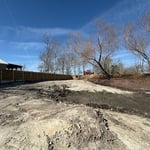
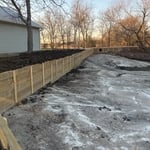
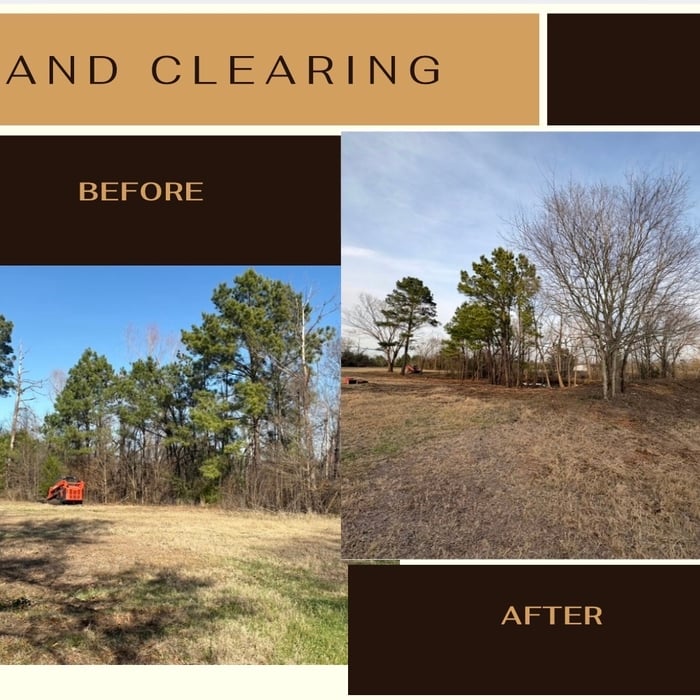
"I recently hired Precision Excavating for a project and couldn't be more satisfied with their service. From start to finish, Daniel the owner and operator demonstrated professionalism, expertise, and a commitment to quality. Daniel arrived on time, completed the work efficiently, and ensured the site was clean and safe. His attention to detail and ability to handle unexpected challenges was impressive. Communication was clear throughout the process, and the final results exceeded my expectations. I highly recommend Precision Excavating for any excavation and land clearing needs!! Thanks Daniel!"
"Flying F Services did a great job clearing brush and demolition on a vacant house and lot. I highly recommend Flying F Services to anyone needing a demolition job."
You do not have to dig footers for a deck as long as it meets local code and holds up to weather in your area. If you live somewhere that experiences high winds and earthquakes, you may need to dig for your deck posts. Deck blocks, post anchors with base plates, and helical pile systems are the three no-dig deck post options you can choose from if local code permits.
Yes, trenchers can go through gravel. Gravel is made up of smaller, softer rocks that certain trenchers are able to cut through. Just be sure to use a rock wheel trencher or chain trencher, both of which are made to cut through rocky landscapes and gravel pathways without dulling the teeth or chain.
A walk-behind trencher can cut through roots as long as they’re not too thick, making a project much easier than digging with a shovel and other hand tools. Assess your terrain and the number of trees in the surrounding area to determine if a walk-behind trencher will ease the job. Digging a trench by hand is much more time-consuming and labor-intensive.
Sewer lines can be buried anywhere from 18 inches to 8 feet deep, with a common average depth between 18 and 30 inches. The exact depth depends on local factors like climate and soil type. In colder regions, pipes must be buried deeper (below the frost line) to prevent freezing, sometimes as deep as 8 feet. The digging depth can also impact the cost of sewer line replacement. To find the specific depth for your property, you can check the building plans for your system, which should be on file with your city or local sanitation department since permits are required for installation.
No, fire blight does not survive free in the soil but instead is carried through insects, animals, rain, or wind during the spring. Keep in mind that it can also spread on tools, which is why you should always disinfect them in between cuts.
The Silverton, TX homeowners’ guide to excavation services
From average costs to expert advice, get all the answers you need to get your job done.
Excavation costs $1,500 to $6,300 for most residential projects—but it depends on factors like the size of the area. This guide will help you plan a budget.
You can't have an in-ground pool without digging into the ground. How much does pool excavation cost, and can you take it on yourself? Our guide explains.