

Top-rated excavation pros.

Best excavation pros near Childress, TX

Enter your zip and get matched with up to 5 pros

Need a pro for your excavation project in Childress, TX?

Select your specific project to find the pro for you.

Top-Rated Excavation pros in Childress - Updated Nov 2026

Avatar for Tex-us All purpose
Tex-us All purpose
5.0(
6
)
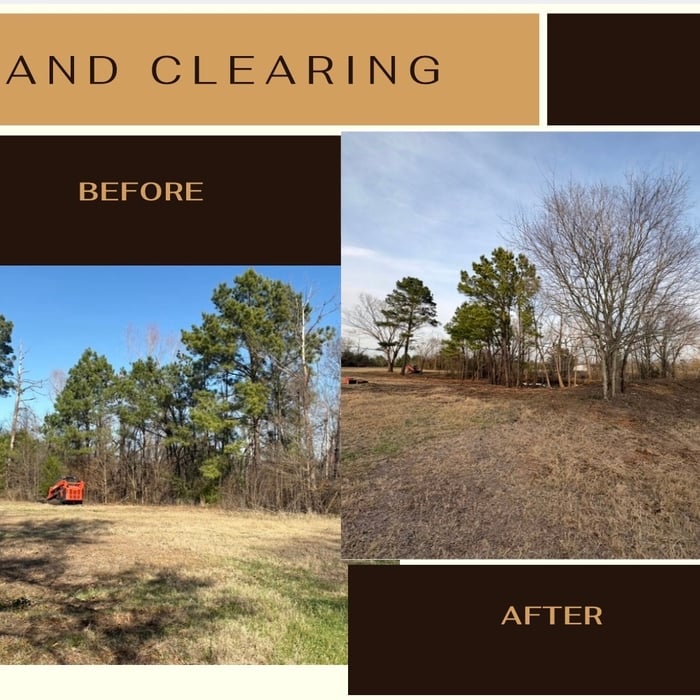
Building Site - Preparation and ClearingExcavation - Major Grading or ReslopingExcavation - Major Grading or Resloping - For Business+1 more

Serving Childress, TX and surrounding areas

In business since 2009

Free estimates

Emergency services offered

"I hired Texas Quality Cleaning Services for a move out clean of a 2300sq' house I had rented for 2 years. They provided very efficient cleaning services including cabinets, appliances, floors, walls, window sills, bathrooms, drawer wipe downs, behind and under appliances, windows and so much more. They did an outstanding job and I would definitely hire them again."
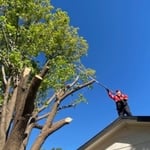
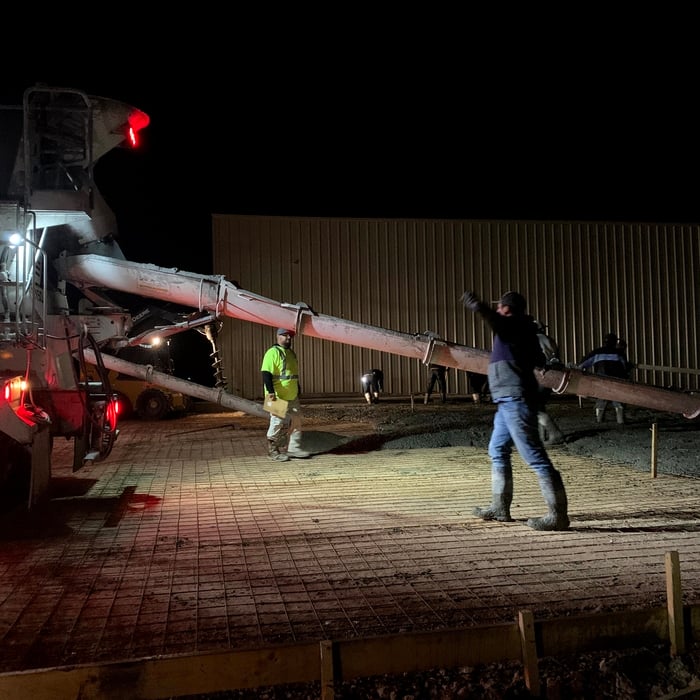
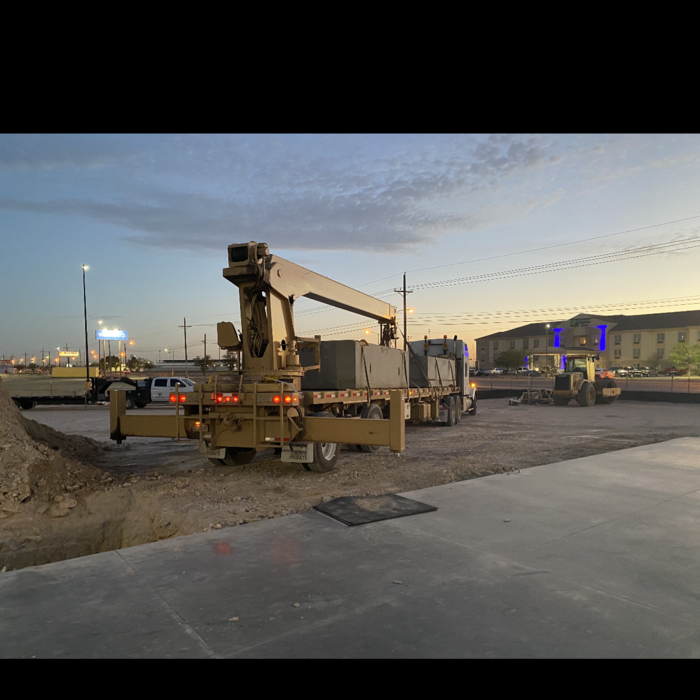
The Owner setting an example of the working Man
Owner caught on Camera the Working Man......
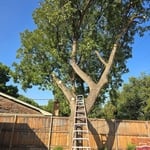
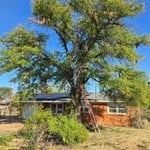
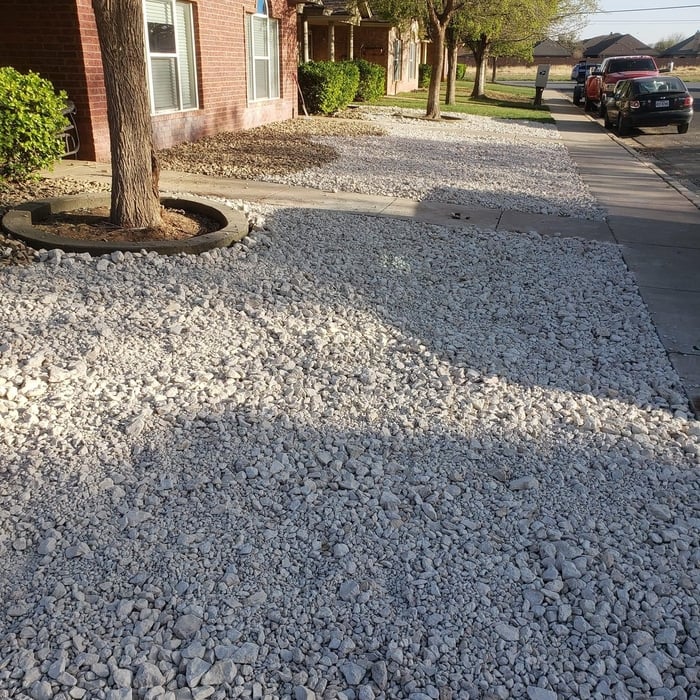
I Got This
Its here
Here we go!!

+10

Response time2 days
Response rate94%
Recommended by100%of homeowners
Showing 1-10 of 20
Excavating FAQs, answered by experts

Directional drilling is complex and requires training to use the advanced machinery. It can be challenging to monitor the position of the drill since there’s no direct line of sight. Directional drilling can also be more expensive with a cost of $10 to $30 per linear foot compared to $5 to $12 per linear foot for trenching. 

Yes, most services include site leveling and foundation work. Confirm with your contractor for specifics.

A joint utility trench, or joint trench, is a long, buried ditch on a property that contains two or more utility lines rather than running the lines in multiple trenches. Some utilities, like gas and electric or electric and communication lines, are better suited to joint trenching, while others, like water and sewer, are not allowed to be in the same trench.

Most residential basements are 8 to 10 feet deep. You can dig deeper depending on building codes, but it does become more difficult. You’ll likely need to install stronger foundation walls and additional supports to handle the increased load. Depending on the water table, you may also need a water management system. Clay soil can support a deeper foundation than sandy soil. A structural engineer will be able to tell you the maximum, feasible depth.

In the United States, a depth of 36 inches (three feet) for underground water lines is the accepted industry standard. This depth varies from location to location based on local conditions. In areas with colder winters, they may be buried deeper to prevent frozen well water pipes : This is usually at least six inches below the frost level. The International Plumbing Code calls for a minimum of 12 inches below grade.

The Childress, TX homeowners’ guide to excavation services

From average costs to expert advice, get all the answers you need to get your job done.