






Top-rated excavation pros.

Get matched with top excavation pros in Live Oak, TX

Enter your zip and get matched with up to 5 pros

Need a pro for your excavation project in Live Oak, TX?

Select your specific project to find the pro for you.

TRUSTED BY LIVE OAK, TX HOMEOWNERS

  • Average homeowner rating star icon4.7
    Average homeowner rating
  • Verified reviews icon45
    Verified excavation services reviews

Find Excavation pros in Live Oak

Sierra Landscape, LLC
5.0(
9
)
Landscape - Minor Grading or Resloping

Serving Live Oak, TX and surrounding areas

Approved

In business since 1999

Free estimates

Credit card accepted

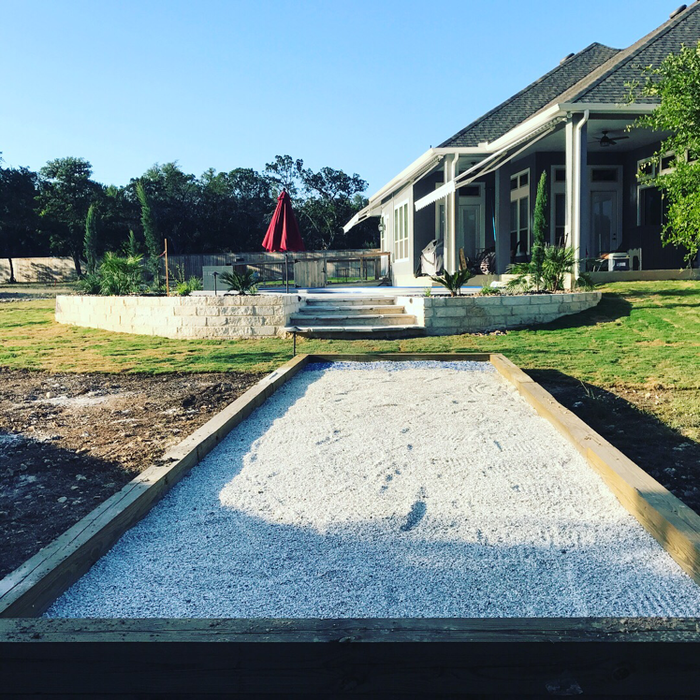
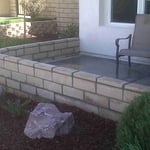
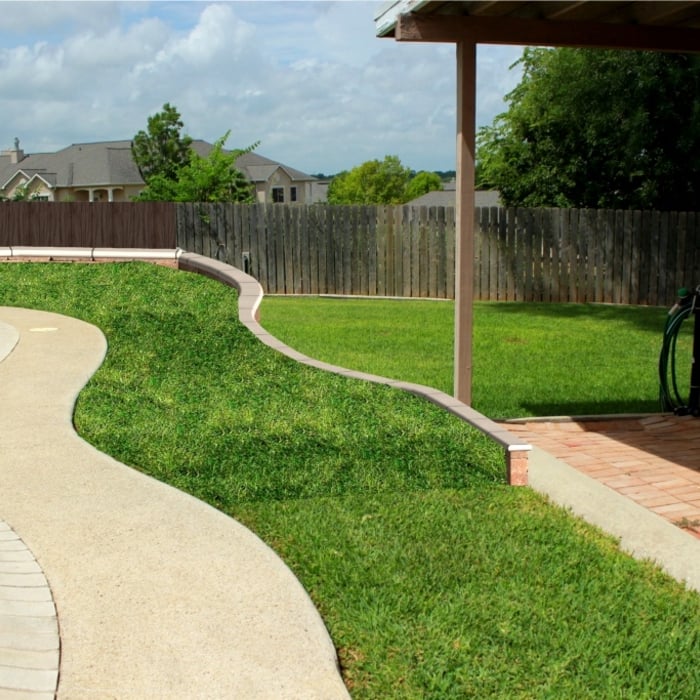
"I highly recommend Sierra Landscape LLC of Boerne, TX. I've done 2 significant projects with them & been extremely happy each time. Steve Fey & his crew went beyond my expectation on my latest backyard project. The low maintenance & safe design will help save me time & money. My steep terraced beds needed a great sturdy solution & Steve Fey came up with a creative plan for an attractive raised bed design. I can't wait to host a party."
Response time2 days
Recommended by100%of homeowners

...
Showing 1-10 of 336
Excavating questions, answered by experts

Consultation with the local government helps identify necessary permits, avoid project delays or legal issues, and protect project integrity.

The average cost of excavation is approximately $3,200, with typical projects ranging from $500 to $15,000. Depending on the contractor, you may be charged between $50 and $200 per cubic yard or an hourly rate of $40 to $180 for an excavation specialist. The total cost is influenced by several factors, including the project size, the amount of soil to be removed, and the soil's condition. Hard soil, tree roots, or excessive rocks and clay can increase the price, potentially adding $200 to $1,200 to the final bill. Other factors that can drive up costs include the presence of nearby structures that complicate the work or tight spaces that require manual excavation instead of heavy machinery.

No, fire blight does not survive free in the soil but instead is carried through insects, animals, rain, or wind during the spring. Keep in mind that it can also spread on tools, which is why you should always disinfect them in between cuts.

There are several methods to hollow out a tree stump, and the best one depends on your tools, experience, and priorities. Common methods include using a chisel and hammer, a chainsaw, or burning.

  • Chisel and Hammer: This is often considered the easiest approach for those with limited tools or experience, though it is the most time-consuming.

  • Chainsaw: Using a chainsaw is the fastest method, but it comes with significant safety risks, especially for inexperienced users.

  • Burning: This can be an effective method, but it is not recommended unless you can first drill holes into the stump. Without holes, the stump will be difficult to light and may not burn completely through.

A power drill with at least a ⅜-inch diameter bit can make the job quicker and easier, regardless of the primary method. While you can use a chisel or chainsaw without a drill, it will require more time and effort. Always wear protective goggles and thick gloves, as splinters are an inevitable risk.

Depth is not a qualifying component of evacuation. Any human-made cut, cavity, or depression in the earth’s surface is considered excavation. The hole from excavation can be any size, shape, or depth. Excavation is used to create foundations, reservoirs, drainage ditches, and roads. Long, narrow excavations are called trenches and are often used for underground utilities.

The Live Oak, TX homeowners’ guide to excavation services

From average costs to expert advice, get all the answers you need to get your job done.