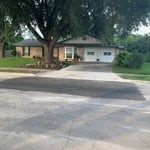







"JT was a wonderful person to work with. He and his crew removed our trees with precision and even hauled away the debris for us. Heâ s very professional and courteous. Very responsive and willing to work with you. Will hire again for our tree needs! He gave us a fair price for the work."
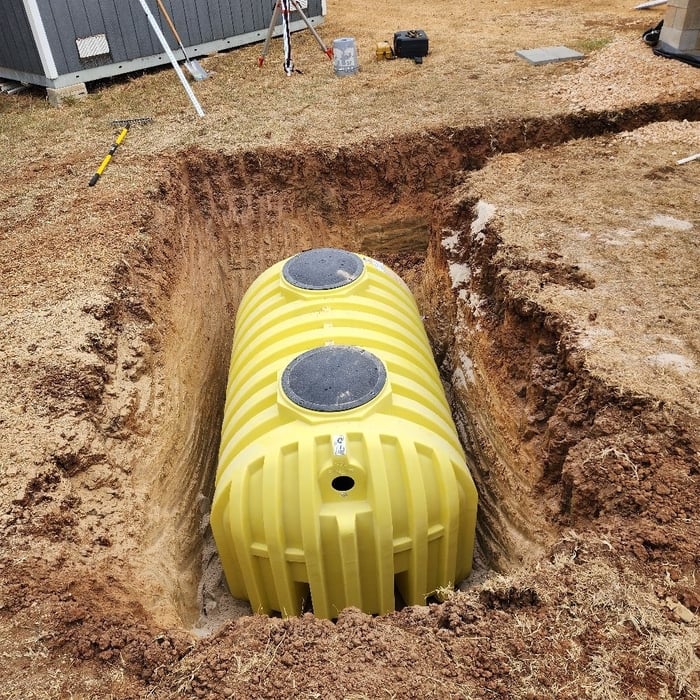
"The gentlemen that came out cleaned our septic tank. He was very professional worked very hard and got the job done. I would highly recommend Knuckel Creek to anyone that needs help."
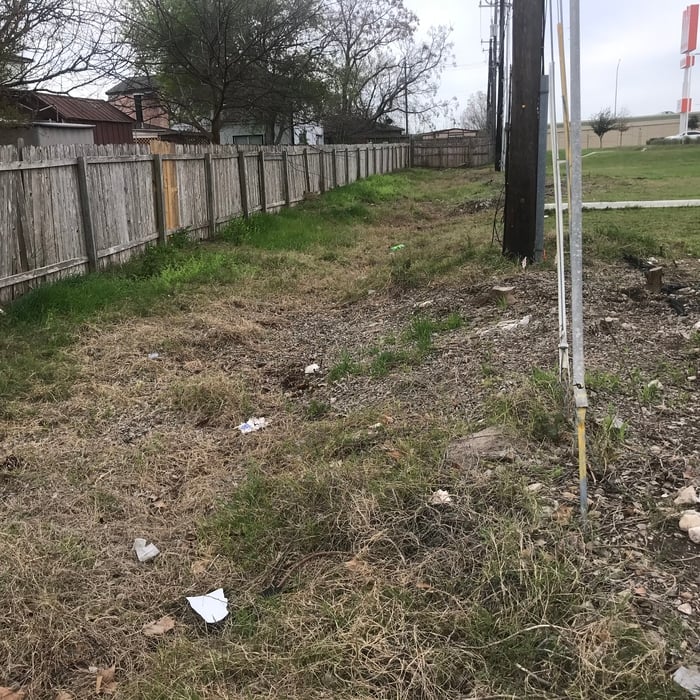
"We needed our property cleared out to have a building site with a great view of the surrounding hills. He did a great job opening up the valley views. We highly recommend him for his quality work."
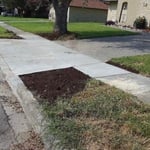
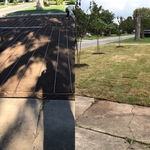
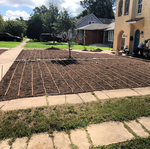
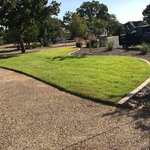
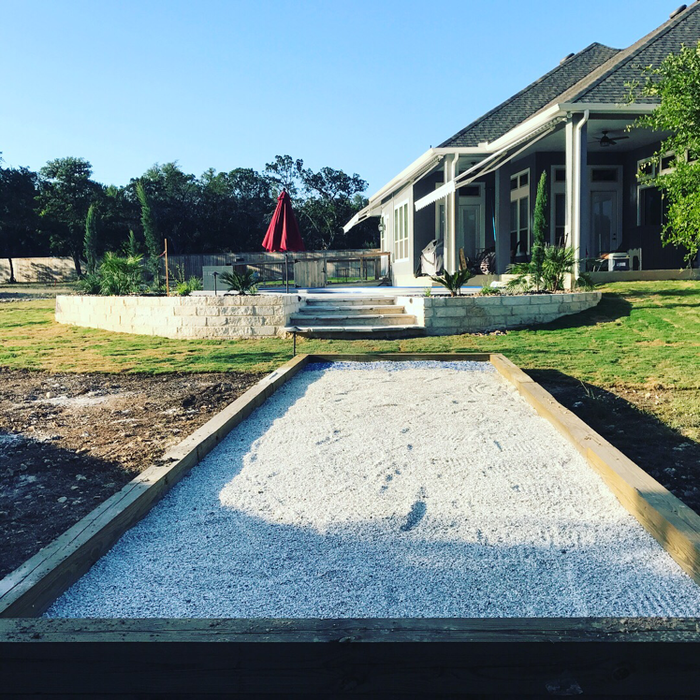
"The project was a small landscaping And drainage job. The work was very professionally done and the cleanup was amazing. would highly recommend Sierra Landscape to anyone!"
"Paul worked really hard in blisteringly hot temperatures to clear the areas we asked him to clear and went above and beyond to leave the areas tidy after the work was completed. I would definitely recommend Paul to anyone who is considering having land cleared of cedars. Paul also cleared out scrub to leave the oak trees uncluttered and more impressive than before."
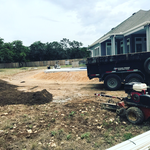
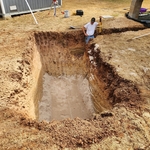
The time it takes to build a pool—and dig out the area—varies based on the pool size and type. A professional excavator will take between four and eight hours to dig a pool. The process will take longer if they encounter large boulders or tree roots. Keep in mind that this is a small part of the process in the long run. You will need between eight and 12 weeks to build a pool from start to finish, including the time to apply for permits.

Drilled wells have a pipe sticking up that’s covered in a plastic or metal casing. On the other hand, a dug well will look like a big hole in the ground and is more similar to what you’d see in a fantasy or Western movie. If you want to be sure, contact the city for documentation on your property’s construction and excavation history.
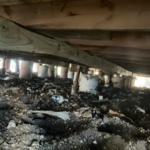
A crawl space can be as little as 42 inches below the grade of your house, but this is not always recommended in flood-prone areas. At a minimum, there must be at least 16 inches of clearance between the ground and the floor joists to access the space in an emergency.
The easier way to find buried sprinkler lines is to use the plan from the professionals who installed the system. If you don’t have professional plans, listen for running water on your lawn when you turn on the system. You may also spot wet areas, giving you an idea of where the heads are. Once you find the sprinkler heads, you’ll likely be able to connect the dots between them, revealing the system below.
Trenching is a specific kind of digging. Trenching means digging a depression in the earth that’s deeper than it is wide, often with heavy machinery. Digging refers to any kind of removal of earth in order to create a human-made depression, hole, or cut in the earth’s surface. You can dig with big tools or even with just a hand shovel.


The Boerne, TX homeowners’ guide to excavation services
From average costs to expert advice, get all the answers you need to get your job done.
Excavation costs $1,500 to $6,300 for most residential projects—but it depends on factors like the size of the area. This guide will help you plan a budget.
You can't have an in-ground pool without digging into the ground. How much does pool excavation cost, and can you take it on yourself? Our guide explains.