






Top-rated excavation pros.

Get matched with top excavation pros in Seguin, TX

Enter your zip and get matched with up to 5 pros

Need a pro for your excavation project in Seguin, TX?

Select your specific project to find the pro for you.

TRUSTED BY SEGUIN, TX HOMEOWNERS

  • Average homeowner rating star icon4.6
    Average homeowner rating
  • Verified reviews icon31
    Verified excavation services reviews

Find Excavation pros in Seguin

Avatar for GT Site Services & Land Clearing, LLC
GT Site Services & Land Clearing, LLC
4.5(
25
)
Building Site - Preparation and ClearingExcavation - Major Grading or ReslopingBuilding Site - Preparation and Clearing - For Business+1 more

Serving Seguin, TX and surrounding areas

Approved

In business since 2020

Free estimates

Credit card accepted

"GT did a great job on several clearing jobs for us. We had several large urban acreages of drainage that needed clear line of site and improved access for regular maintenance. Brandon was great to work with and priced appropriately. He was professional and executed to our expectations. I will hire him again in the future for similar projects."
Lampasas TX
Lampasas TX
Lampasas TX
Lampasas TX
Lampasas TX

+8

10 neighbors recently requested a quote
Recommended by35%of homeowners
...
Showing 1-10 of 215
Excavating questions, answered by experts

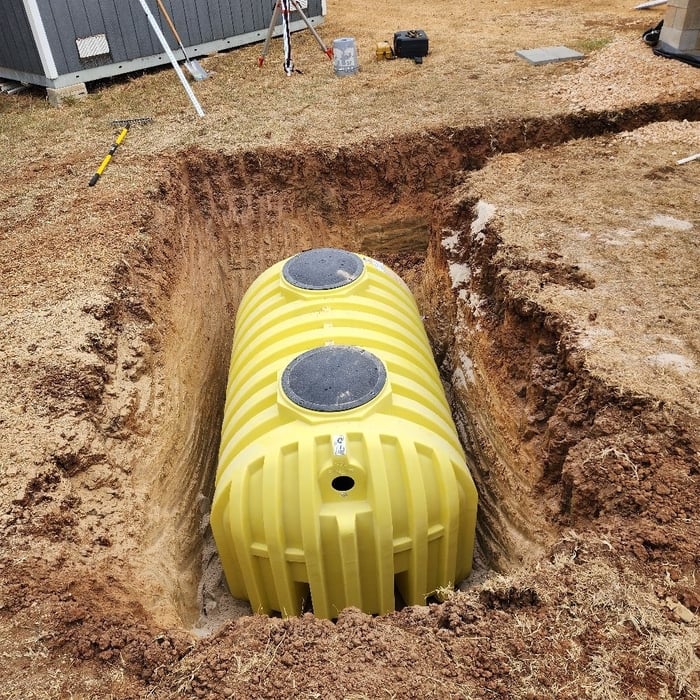
There is no standard depth for burying a septic tank; they are typically buried anywhere from 4 inches to 4 feet underground. The final depth depends on several factors, including the depth of your main sewer line, the height of the bedrock, soil type, local regulations, and the property's landscape. If you plan to grow grass or plants over the tank, a depth of at least 4 to 6 inches is recommended. Deeper tanks can be more difficult to locate, but a septic professional can help find it for you.

Yes, an excavation company is the best option for land grading and yard leveling. General landscapers might be able to tackle these projects, but an excavation company will do a better job because they’re used to operating the necessary heavy machinery. Landscapers might opt to do the work manually, which takes much longer and could cost you more in labor fees. Finally, excavation companies will understand local regulations and know when you need permits to legalize the work, while a landscaper might not.
The physical constraints of hand-drilling a well limit the depth you can achieve. Manually digging with picks and shovels may only lead to shallow wells of up to 60 feet in depth. To reach greater depths, you need more specialized equipment. The diameter of your well and the tools you’re using will determine how far down you can dig.

Trenching and boring are two distinct methods for installing underground utilities. Trenching involves digging a channel using equipment like an excavator, trencher, backhoe, or shovel. While it is a simpler process, it causes significant disruption to the surface, landscaping, and surrounding ecosystems.

Boring, also known as directional boring, is a less invasive alternative that uses a drill to create a tunnel for utility lines without disturbing the surface. This method is more precise and is ideal for installations that need to go underneath buildings, roads, or bodies of water. Although boring is less disruptive, it is generally more expensive than trenching.

The digging depth will depend on the size of the trencher you use. Even smaller units can dig up to 4 feet deep, which is plenty for a DIY job. However, much larger trenchers can reach a depth of 18 feet and are better used by a team of pro contractors, not a single DIYer. As with all home improvement projects, use the right tool for the job and proceed with caution.

The Seguin, TX homeowners’ guide to excavation services

From average costs to expert advice, get all the answers you need to get your job done.