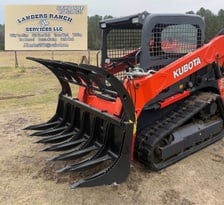
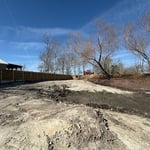
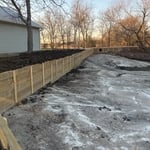
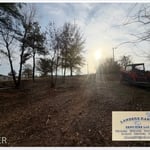
"Absolutely amazing job, hard working employee that helped us! Down to earth and really cared about what our needs were. Worked to exceed above and beyond our expectations and would refer to everyone needing these services."
"I received a call not 5 minutes after the search! He came out, gave me his bid and I hired him on spot due to his professionalism and honesty regarding the job. He performed the job wonderfully! I will use his services again and again and would recommend his company for your landscaping needs. Top notch! I accidentally gave his great review to woodys company BUT 5X iIS YOUR GO TO ANYTIME!!"
At RDM Backhoe and Dirt work, we sustain our business on quality and integrity. We are experts in our trade and our commitment to quality shows from beginning to end of your project. We look forward to earning your business.
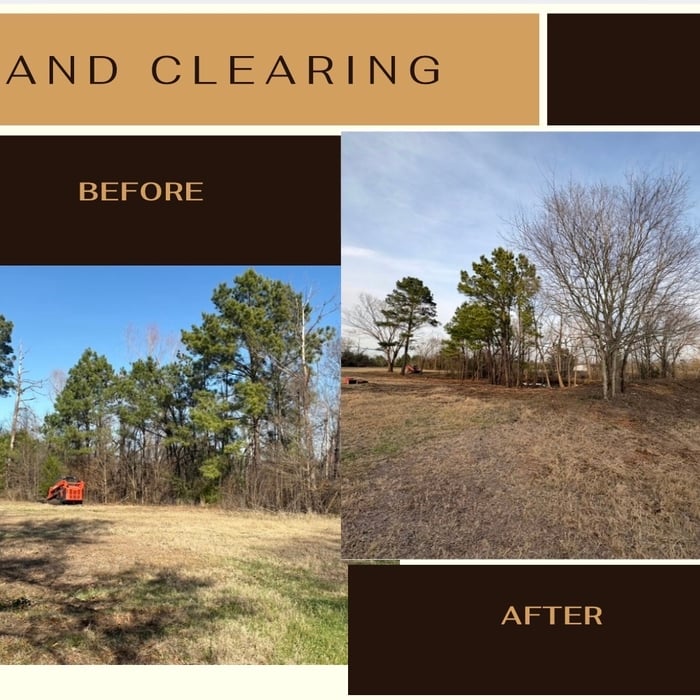
"Flying F Services did a great job clearing brush and demolition on a vacant house and lot. I highly recommend Flying F Services to anyone needing a demolition job."
To drill a shallow well, you may be able to use a drive well point. This is a tapered point that is driven into the ground. A drill bit at the end of PVC pipe may be another option to consider. A lot of the cost depends on what tools are available near you.
Almost any kind of home can have a wine cellar or cabinet installed. You’ll need an area where a concrete floor can be put in, along with the necessary insulation, climate control, and ventilation systems. If you think of yourself as an aspiring sommelier, an underground wine cellar may be ideal, but it will cost significantly more.
What you choose to install really depends on your budget and how many bottles you’re looking to store.
Trenching and boring are two distinct methods for installing underground utilities. Trenching involves digging a channel using equipment like an excavator, trencher, backhoe, or shovel. While it is a simpler process, it causes significant disruption to the surface, landscaping, and surrounding ecosystems.
Boring, also known as directional boring, is a less invasive alternative that uses a drill to create a tunnel for utility lines without disturbing the surface. This method is more precise and is ideal for installations that need to go underneath buildings, roads, or bodies of water. Although boring is less disruptive, it is generally more expensive than trenching.
Digging out a basement takes anywhere from a few days to a few months. Most projects take at least two to five weeks, but it could take several months if you encounter obstacles. This project takes longer if you need to brace or raise your home before the excavation. Digging out a basement in new construction can take as little as three days.
Hardscaping often requires preparation of the ground in the area where the feature is being installed. This can include digging, compacting, and leveling the soil, ensuring adequate drainage, and removing any existing plants. The extent of preparation needed will depend on the type and size of the hardscaping feature being installed.
The Paducah, TX homeowners’ guide to excavation services
From average costs to expert advice, get all the answers you need to get your job done.
Excavation costs $1,500 to $6,300 for most residential projects—but it depends on factors like the size of the area. This guide will help you plan a budget.
You can't have an in-ground pool without digging into the ground. How much does pool excavation cost, and can you take it on yourself? Our guide explains.