We take great pride in our experience, expertise, quality and customer service that we provide to meet the consumers needs. It is our mission to provide excellent workmanship and complete customer satisfaction from start to completion of a project. In order to understand the needs and expectations of our customers, we take great care to work and communicate with every customer in a professional manner. Our reputation is based on service, safety and quality, regardless of how large or small the job.
Whether it's worth it to install a heated driveway depends on how often you'll use it, your lifestyle, and your budget. If you live in a mild climate with little snowfall, then installing a built-in heated driveway system may not be worth it. If you live in a region that experiences mild snowfall, then a portable mat could work better. However, if you live in a region with heavy snowfall, it makes sense to invest in a built-in heated driveway.
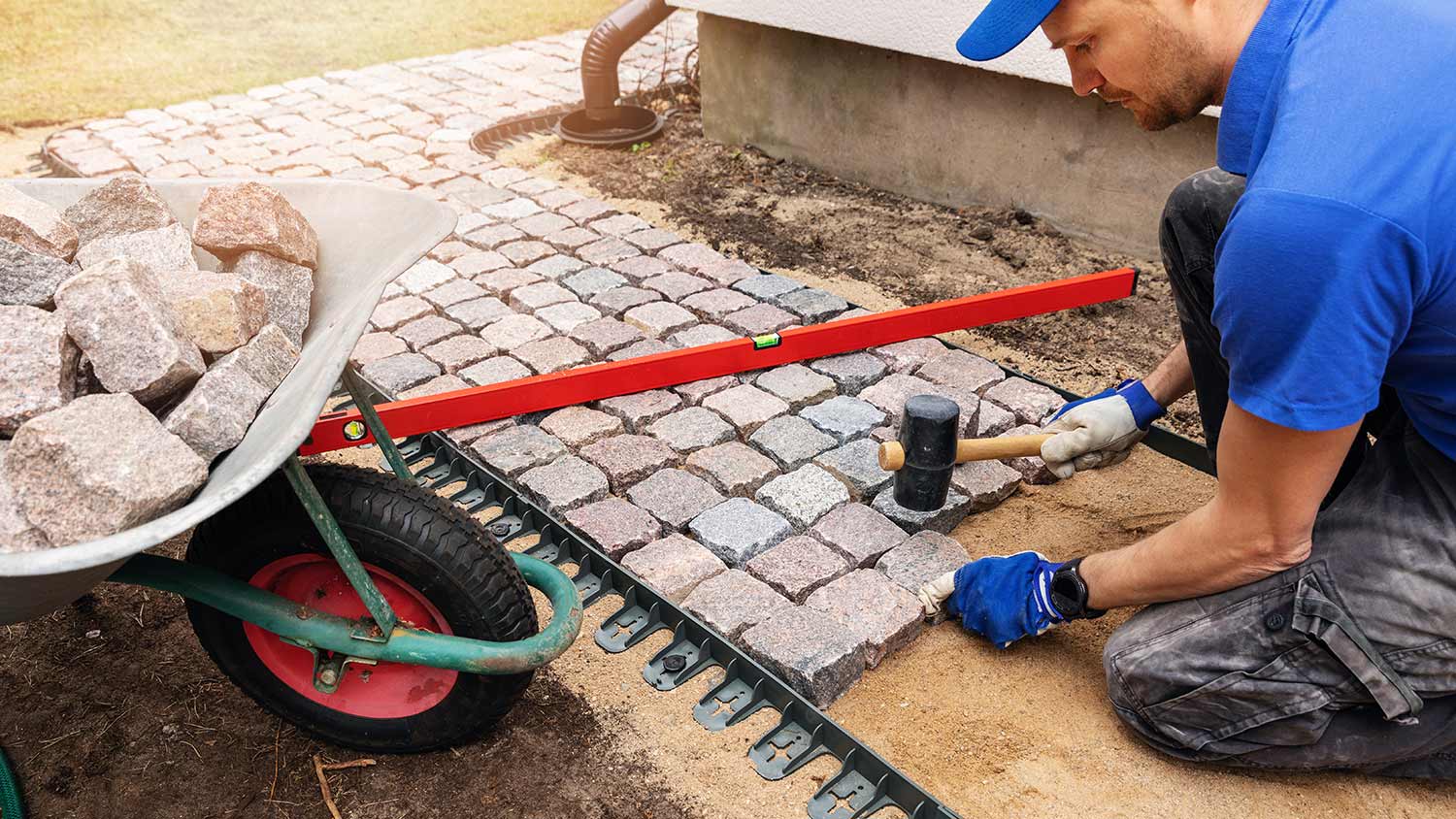
The recommended minimum amount for a paver base is 4 inches. From there, it depends on the kind of traffic the pavers will see and the current soil conditions. Two inches of paver base won’t create the amount of stability and support that pavers need to remain securely in place over time.
A 500-square-foot driveway can cost anywhere from $5,000 to $35,000, depending on the type of pavers you choose. Grass and concrete pavers are more affordable, while stone and cobblestone pavers are on the higher end of that price range. You’ll save some money by DIYing the installation, though we highly recommend sticking with a professional for this type of driveway installation.
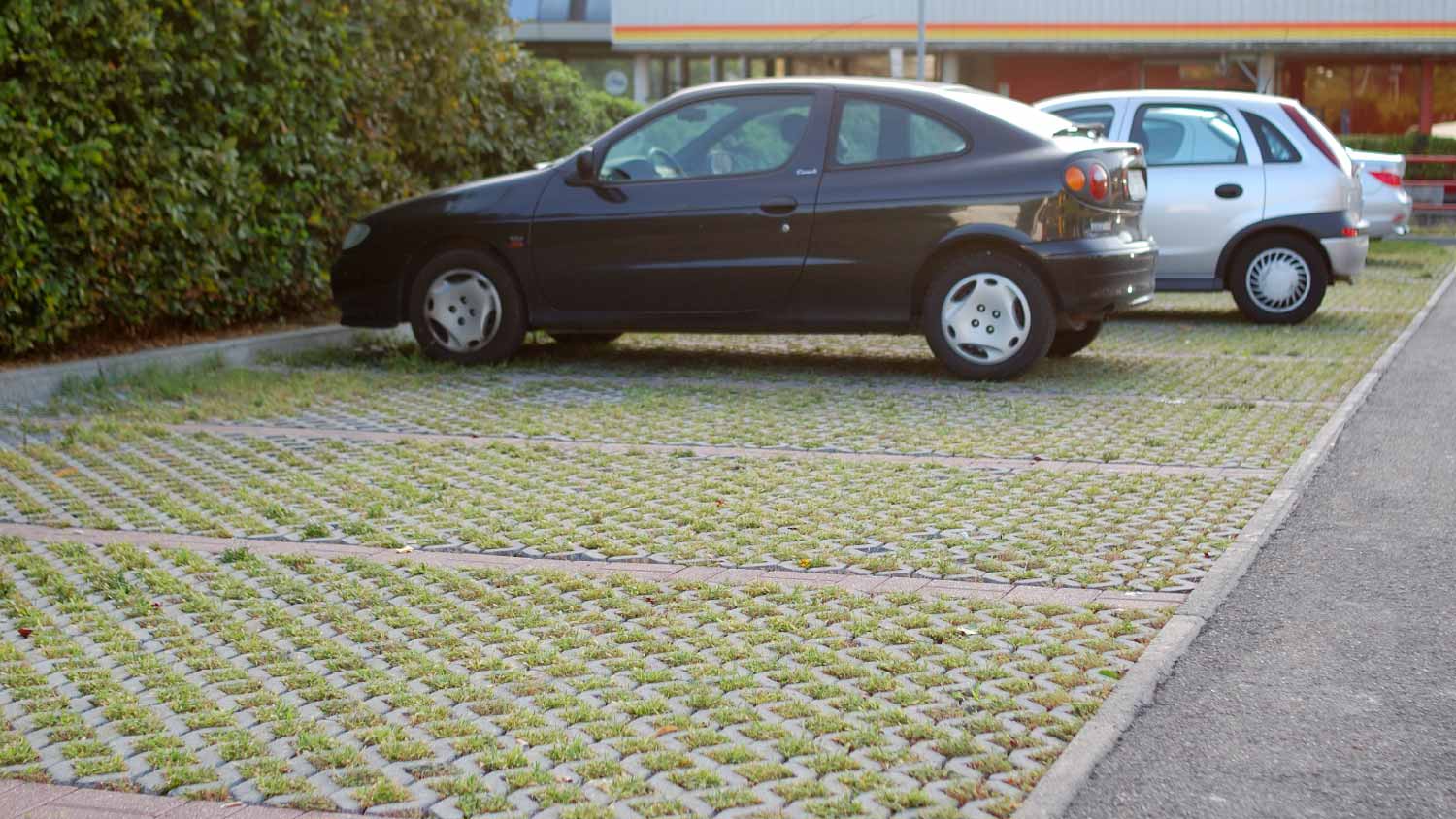
Permeable paving is a good option for a lot of reasons. It can help prevent flooding, keeps harmful chemicals from polluting our water, and can divert water away from your home’s foundation. Plus, it can add a rustic aesthetic to your outdoor area, might prevent pests who breed in water, and may even qualify for tax rebates.
In most cases, driveway repair is worth the investment. Your driveway is one of the first things people see when they look at your home, so repairing cracks, chips, and potholes can improve your home’s curb appeal and overall value. Repairing your driveway is also almost always more affordable than replacing it entirely—an average of $1,765 compared to the cost of replacing a driveway, which typically costs around $5,000.
The Presho, SD homeowners’ guide to paving services
From average costs to expert advice, get all the answers you need to get your job done.
The cost of a tar and chip driveway falls between gravel and asphalt. Is this unique process the happy medium you've been looking for? Let's take a look.
Get proactive with marketing for your paving contractor business. Use these paving marketing ideas (ranked by budget and experience level) to grow your business, get more leads, and earn more money.