"Large amount of work was needed, and job is about 80% complete. Hard workers that want to do a great job. Very courteous and professional when discussing details. They were willing to rent special equipment to get the work finished."
With over 5 years of experience as a Fence and Tree Removal Specialist, Top Fencing LLC is who you need to take care of your home. We handle everything from the initial consultation to making sure your property looks perfect every single time. We will always treat your property as we would treat our own, and you will be surprised how simple and easy our team will make the whole process seem. Give our team a call today. We're looking forward to working with you!
David Ferguson's construction business is dedicated to quality and outstanding customer service. Our job is to provide you with quality service at a great price. Please don't wait call us today.
Generally, you’ll want to prune back the trunk by 1 to 2 feet each year to promote bushy growth. Doing so concentrates vegetative buds closer to the bottom of the tree, where you can easily harvest fruit. For side shoots that are a year old, leave at least six leaves.
Never remove more than 30% of a tree’s foliage during pruning—even if your tree is really overgrown. Removing this much foliage at a time could kill your tree.
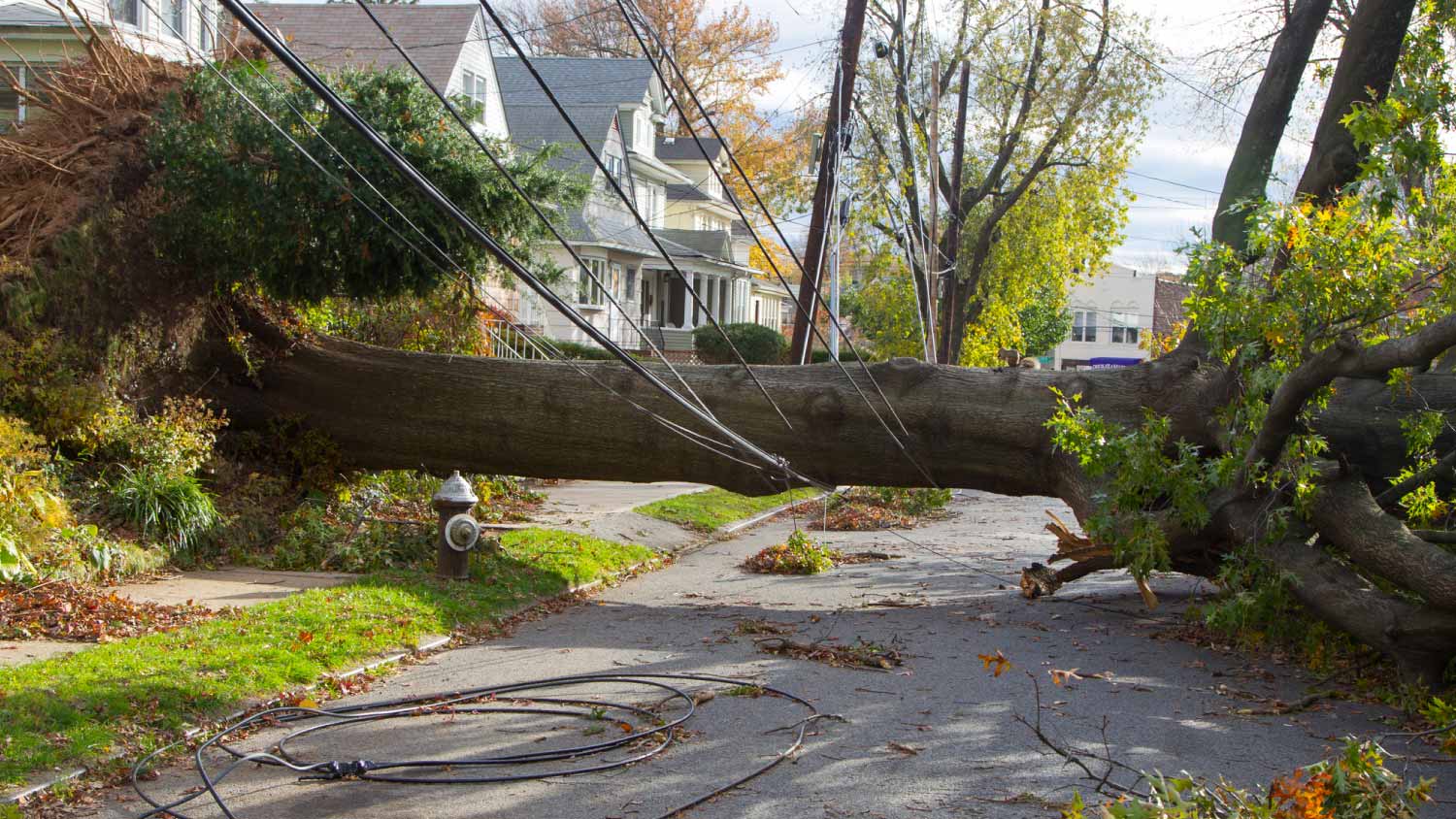
Once you confirm a tree is dead, you should remove it. Dead trees eventually fall, and larger trees in particular can cause damage to rooftops, fencing, flowers, and other objects. As we mentioned, letting decayed wood stay in your yard also invites risks to the surrounding landscaping and vegetation.
The ideal time to prune a tree depends on the type of tree. Typically, late winter or early spring is a good time to prune but isn't always the case for "towering trees." It's best to trim when trees are dormant and before blooms appear but can vary depending on the tree type. It's always best to research the type of tree or ask a professional tree trimmer to determine when is the perfect time to prune your tree.
Unfortunately, palm tree stumps are one of the most difficult types to remove due to how their roots grow. Unlike other trees, palm tree roots grow horizontally and vertically. Palm tree roots grow as deep as three feet into the ground, although soil and growing conditions could mean they go as far as 50 inches into the earth.
If you want to be able to repurpose the grass in the area where you removed a stump later, you’ll have to dig quite deep—and perhaps wide—to trim away all the roots.
There are a few differences between tree guying and tree staking. Tree guying requires anchor stakes that are shorter and stronger than regular stakes and are driven deeper into the ground at an angle away from the tree. Tree staking uses longer stakes that are set parallel to the tree and are used for smaller trees. Consult a local tree professional to determine which method is best for your tree.
The Mission, SD homeowners’ guide to tree services
From average costs to expert advice, get all the answers you need to get your job done.
Tree inspections can ensure your trees stay healthy and safe, preventing costly damage. Learn how much tree inspections cost and what can affect the price.
How much does an arborist cost? This guide explains the cost of different services, ongoing expenses, and other factors to consider when hiring an arborist.
Follow these tips to learn how to find a good tree removal service. Doing a little research can help you save time and money when you need to say goodbye to your trees.