We take great pride in our experience, expertise, quality and customer service that we provide to meet the consumers needs. It is our mission to provide excellent workmanship and complete customer satisfaction from start to completion of a project. In order to understand the needs and expectations of our customers, we take great care to work and communicate with every customer in a professional manner. Our reputation is based on service, safety and quality, regardless of how large or small the job.
Many asphalt companies have experience with tar and chip paving, but not all. The process is unique enough—and not incredibly common enough—that you may have to look around for a tar and chip specialist. However, speaking with a driveway company is a great place to start, especially if they have experience with multiple materials.
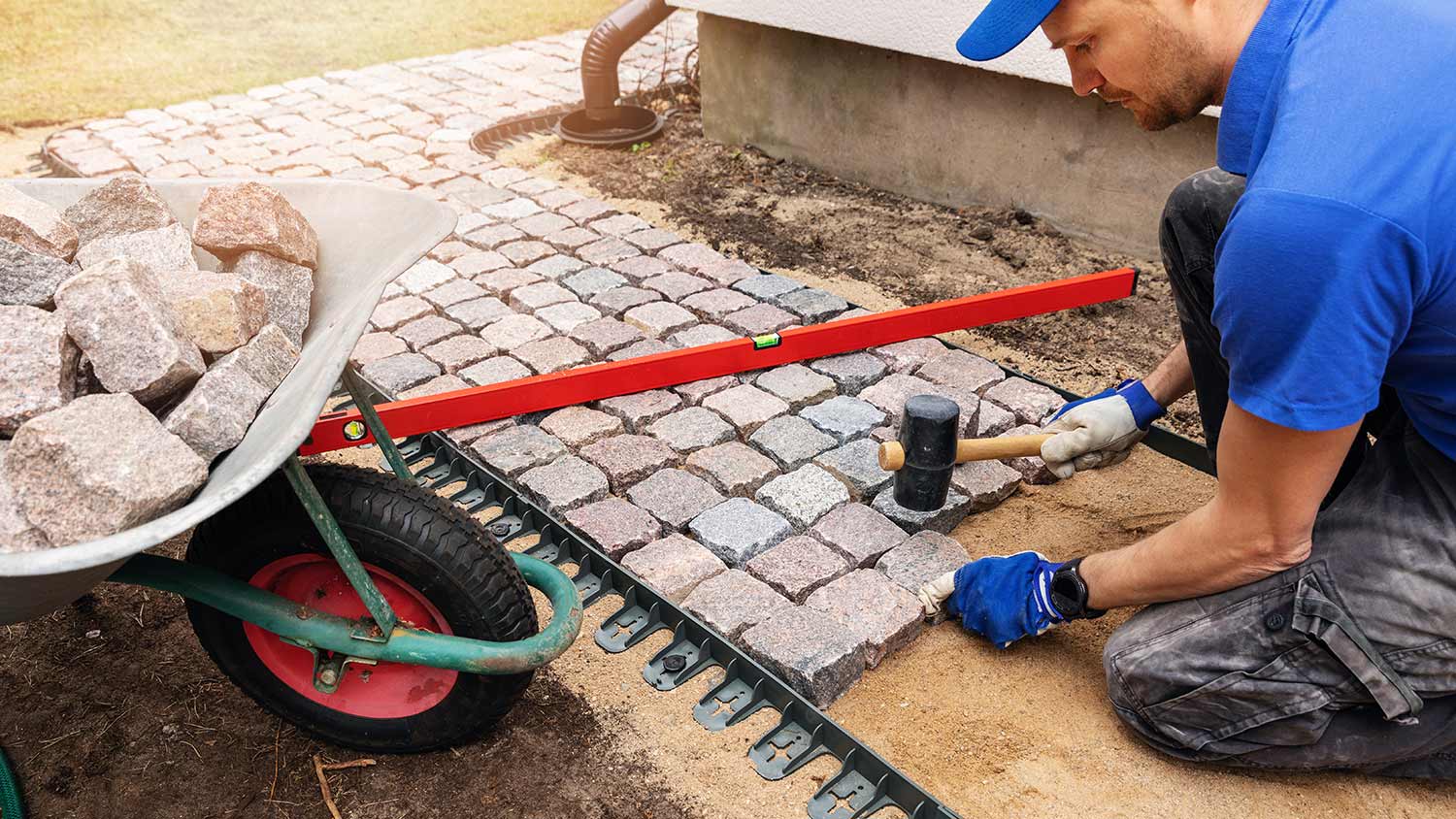
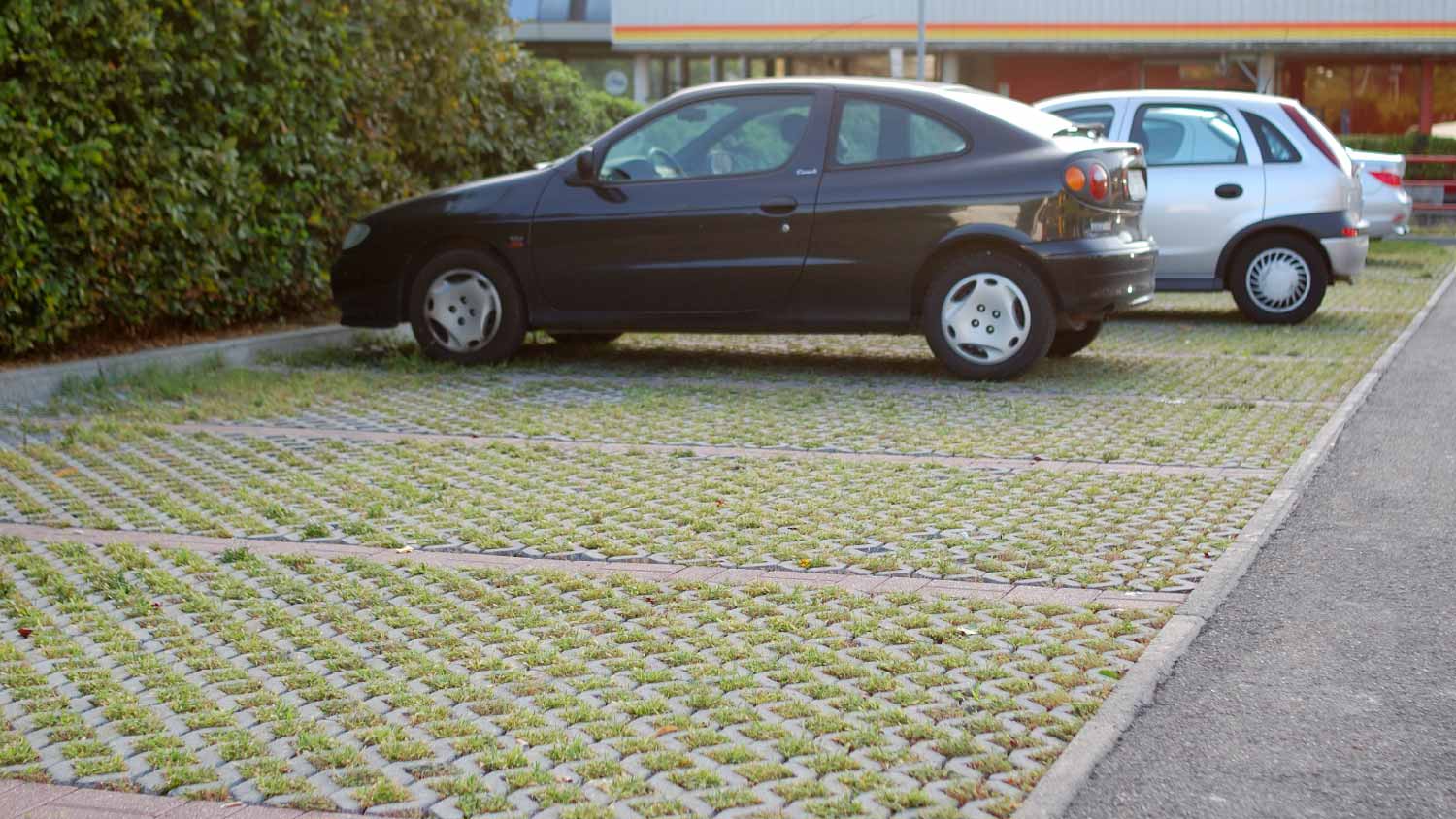
Professional installers often include a deep layer of crushed gravel under permeable pavers to allow more runoff to soak through into the soil below. Many installations will include multiple layers of gravel, with coarser aggregate at the base and finer aggregate that sits on top of that bottom layer. Above the gravel, you’ll often find coarse sand that helps reduce paver shifting over time. Some permeable paver designs include a water collection system set into the gravel layer to route runoff to a safe area for disposal.
While water-related pressure caused by poor drainage is one common cause of paver cracking, other factors can include ground movement beneath pavers, heavy loads and wear and tear over the pavers, and climates with constant freeze-thaw cycles. In general, pavers should be resealed every three to five years to prevent cracking.
Compared to options like concrete, asphalt, and pavers, resin driveways are far more flexible. As a result, they are more durable against chipping and cracking. Their bonded surface allows them to withstand extreme cold and heat without succumbing to the warping or cracking caused by freeze-thaw cycles. In addition, resin driveways are easy to clean and maintain.
Building a road on a slope requires careful planning and will normally require a drainage system underneath to prevent flooding and damage to the road over time. Your professional may lengthen your road to create switchbacks if the slope directly to your home is too steep, as there are regulations for maximum road slope. The drainage system will help prevent runoff from the higher side of the slope from damaging the asphalt or concrete. Keep in mind that building a road on a slope isn’t a good DIY project, as a lot can go wrong.
The Burke, SD homeowners’ guide to paving services
From average costs to expert advice, get all the answers you need to get your job done.
The cost of a tar and chip driveway falls between gravel and asphalt. Is this unique process the happy medium you've been looking for? Let's take a look.
Get proactive with marketing for your paving contractor business. Use these paving marketing ideas (ranked by budget and experience level) to grow your business, get more leads, and earn more money.