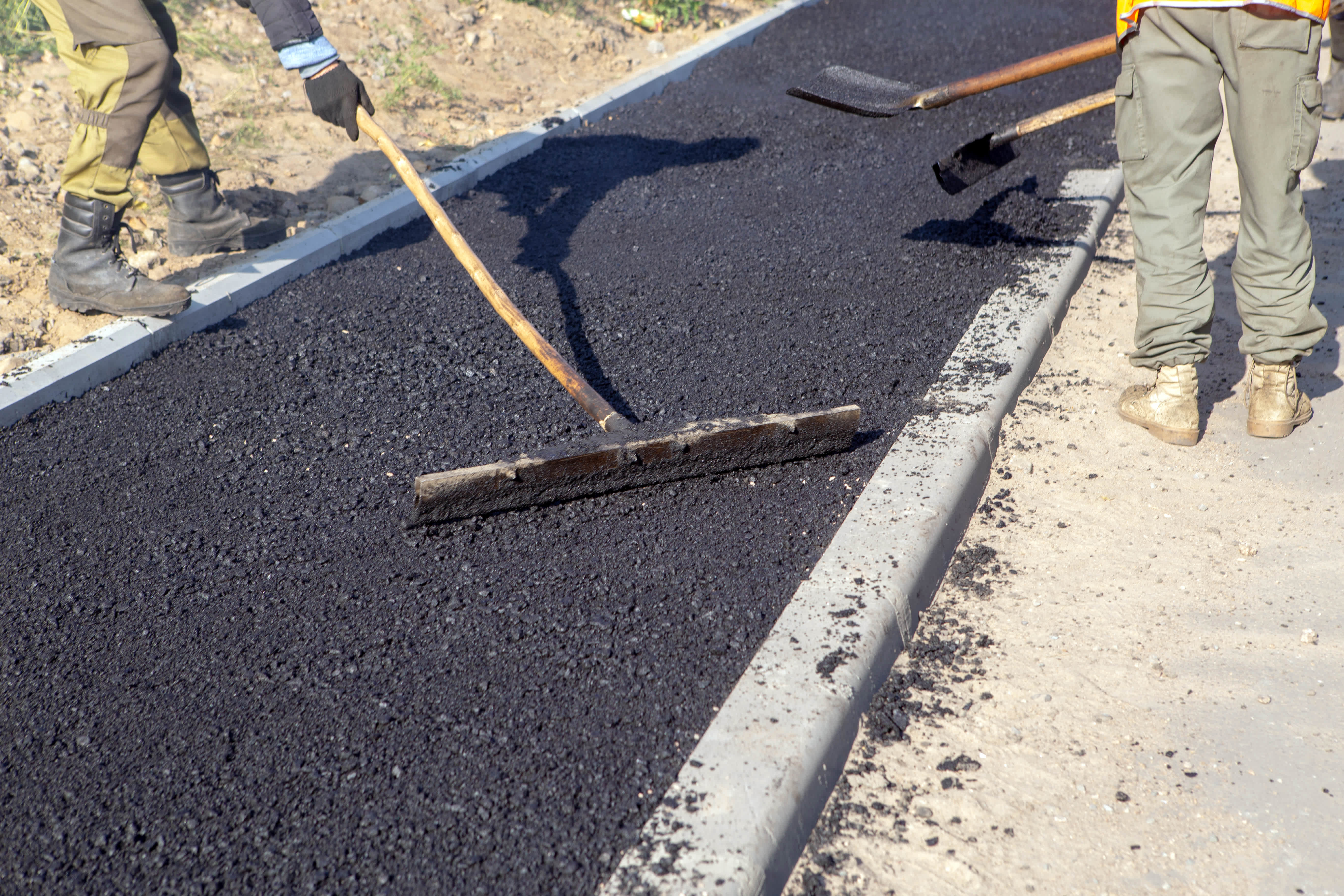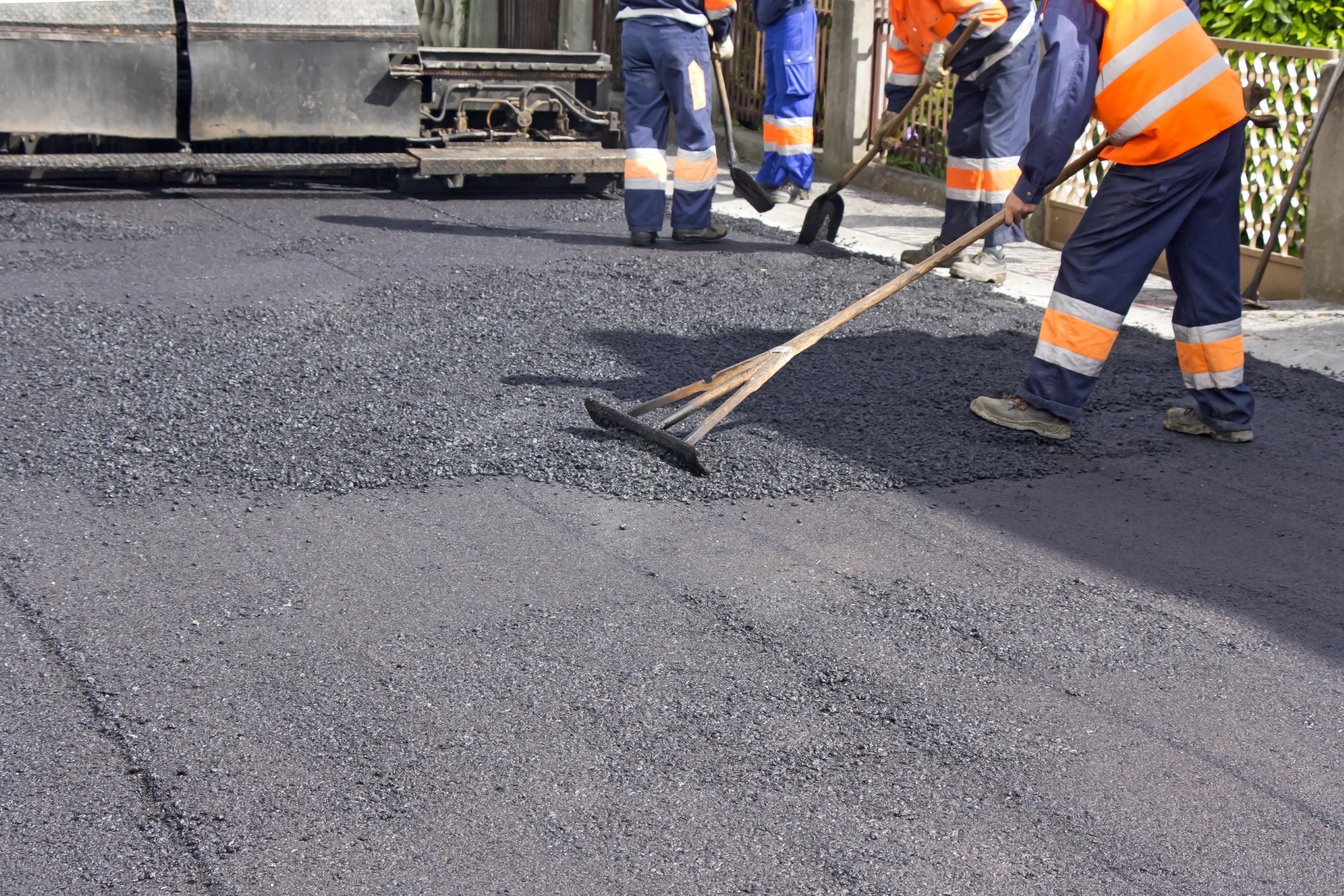


We take great pride in our experience, expertise, quality and customer service that we provide to meet the consumers needs. It is our mission to provide excellent workmanship and complete customer satisfaction from start to completion of a project. In order to understand the needs and expectations of our customers, we take great care to work and communicate with every customer in a professional manner. Our reputation is based on service, safety and quality, regardless of how large or small the job.
The best ways to increase the lifespan of your driveway are to carry out proper maintenance and get repairs done quickly. First, reseal your driveway every one to three years to protect it from the elements. If you start to notice significant cracks, hire a professional to diagnose the problem before it gets more serious. You can also use sand instead of salt when de-icing your driveway (since salt is corrosive) and clean your driveway annually using a pressure washer to keep it in tip-top shape.
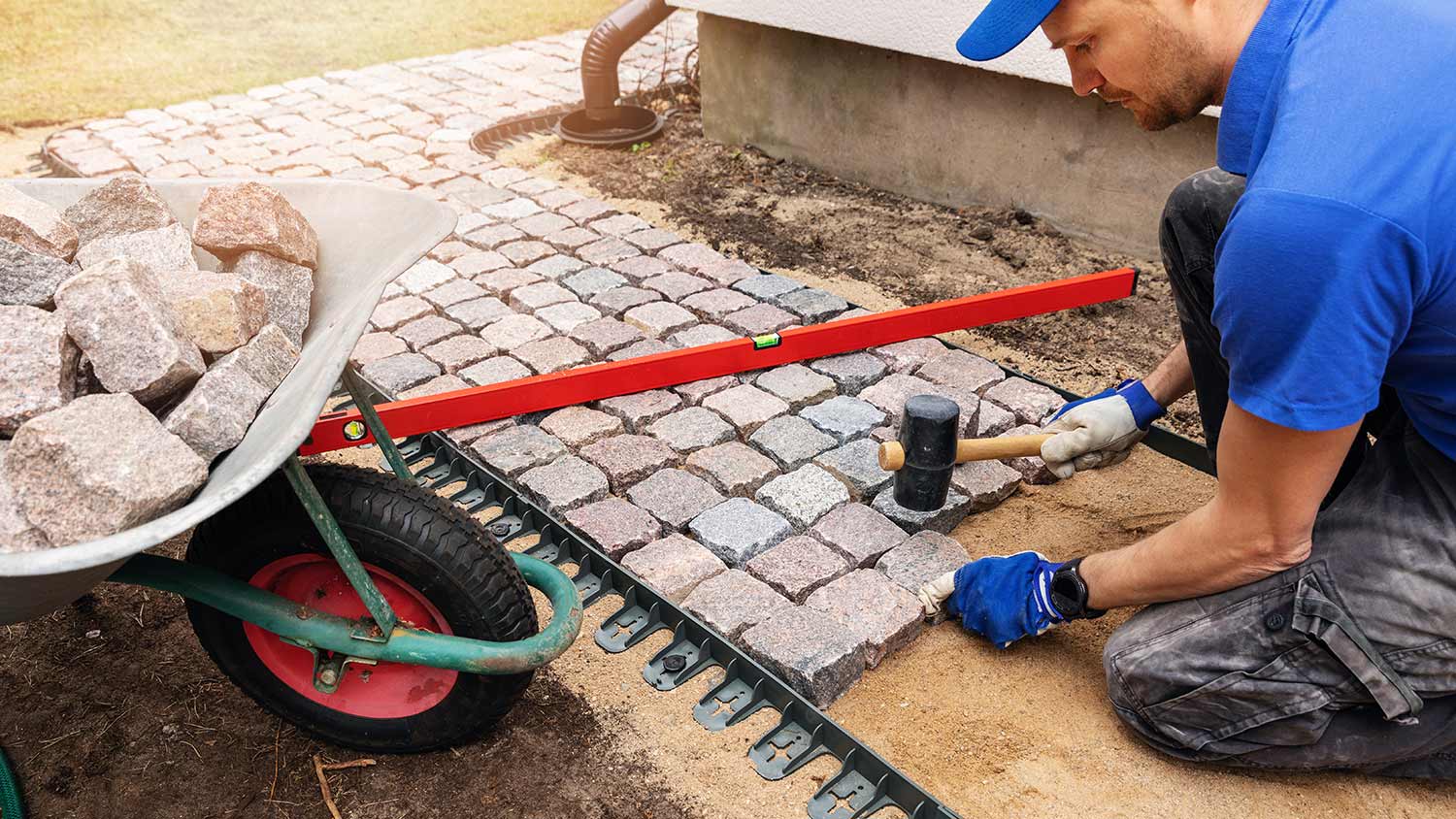
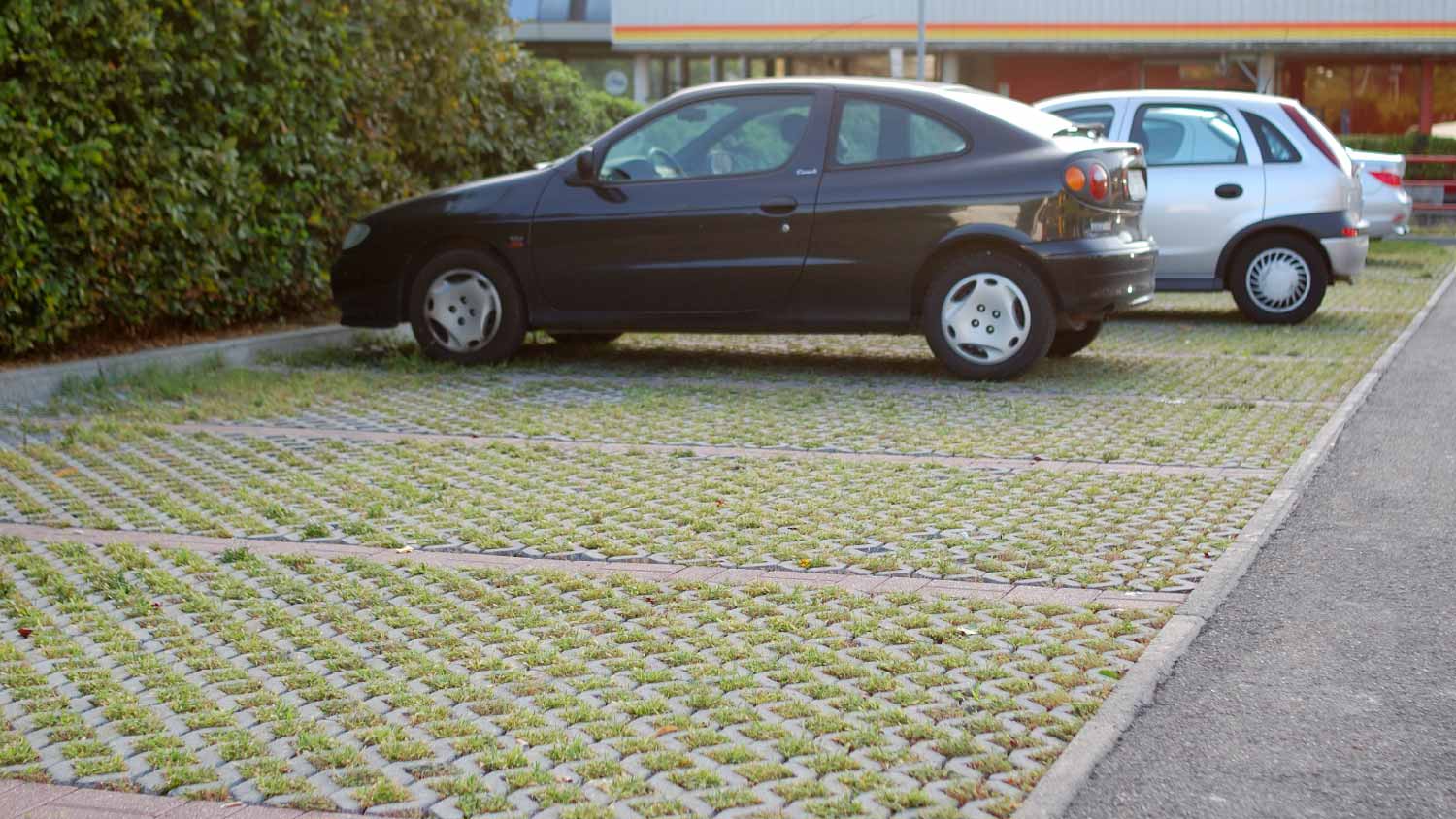
Driveway pavers are often worth the cost. Paver types like cobblestone, brick, and concrete are highly durable, and permeable paver options can be tremendously eco-friendly. While you may pay more for a paver driveway, you’ll see great returns from the increased curb appeal and low maintenance compared to other types of driveways.
The most common causes of sunken pavers are poor base preparation and insufficient compaction. The problem could also be how your pavers were installed. If the soil beneath your patio or walkway wasn't compacted, it will pull pavers down as it settles. Additionally, using bare soil instead of making a paver bed with compacted gravel and sand can cause sinking over time. To fix sunken pavers, consider recompacting the base and addressing any drainage or erosion issues in the area.
Yes, you can put thin pavers over a concrete driveway. However, it's always best to talk to a driveway installer before starting. You'll need to ensure that the concrete below is in good enough shape to hold the pavers and that the driveway will still meet local building codes.
While blacktop is a type of asphalt, the terms should not be used interchangeably, as not all asphalt qualifies as blacktop. The primary differences are in their composition, production process, and ideal applications. Blacktop contains more stone than other types of asphalt and is heated to a higher temperature during production—300°F or more—while hot-mix asphalt is heated to between 275°F and 300°F. The ratio of bitumen (a tar-like crude oil) is a key differentiator, though sources vary: some state blacktop has less bitumen, making it less durable, while others claim it has a higher ratio. Due to these differences, asphalt is generally more durable and better for high-traffic areas like highways and streets, while blacktop is more suitable for playgrounds and residential driveways. For a driveway project, it is best to consult a professional to determine the most appropriate material.
The Fort Pierre, SD homeowners’ guide to paving services
From average costs to expert advice, get all the answers you need to get your job done.
Get proactive with marketing for your paving contractor business. Use these paving marketing ideas (ranked by budget and experience level) to grow your business, get more leads, and earn more money.