"Sales process was good, courteous and helpful. Installation instructions were easy to follow. Did have a small issue with one sensor which was easily solved with a call. Control panel is easy to use and well constructed. Phone app is the best part. Not a big fan of a 2 year contract and the monthly rate feels a little high, but definitely a decent system. I had emailed them a question pertaining installing on double hung windows and never received a reply, but other than that their phone support prior to that was good."
The most popular treatment for a skylight is skylight shades. There are five primary types: manual, motorized, blackout, cellular//honeycomb, and Venetian. Motorized skylight shades are the most convenient, especially for skylights that are higher up, but manual shades are the most cost-effective treatments. Cellular/honeycomb shades are a perfect option for anyone who wants energy efficiency and an attractive look.
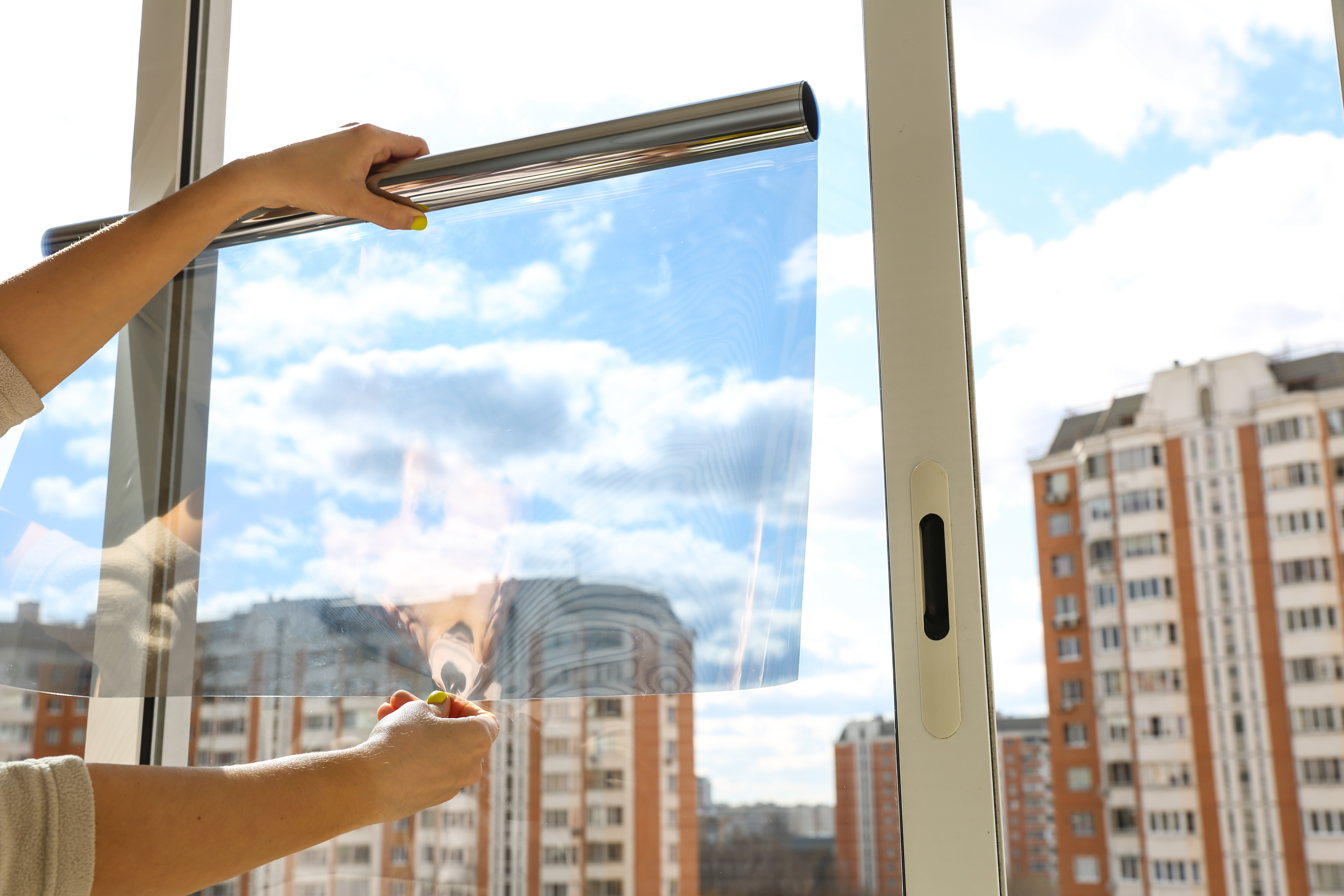
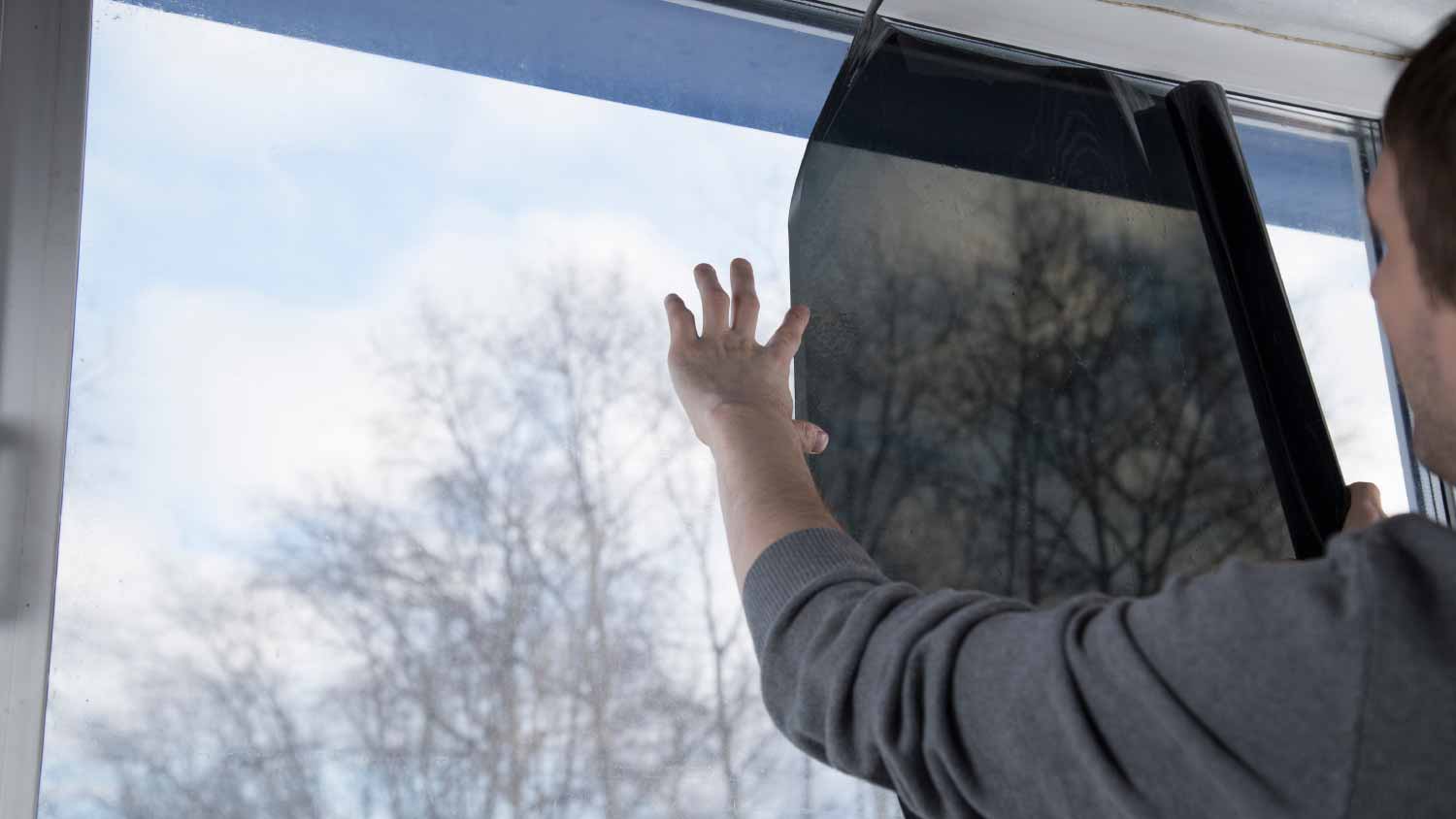
While you need heat to peel back window film, the tint will often leave behind adhesive residue. You can use chemicals such as isopropyl alcohol or acetone to remove the residue, though hardware stores sell specialized solutions for this purpose as well. You can also use soapy water in a pinch!
Tinting reduces glare, blocks UV rays, enhances privacy, and improves energy efficiency.
If you have bubble wrap lying around the house and you don’t care about the odd look, taping bubble wrap over a window is a very affordable way to insulate it. Another inexpensive option for insulating windows is to add new caulk around the glass. This step quickly cuts down on air drafts for older windows, and a tube of caulk only costs a few dollars. Adding plastic shrink film around the glass is another cost-effective option. You can purchase a kit of plastic film for a few dollars per window.
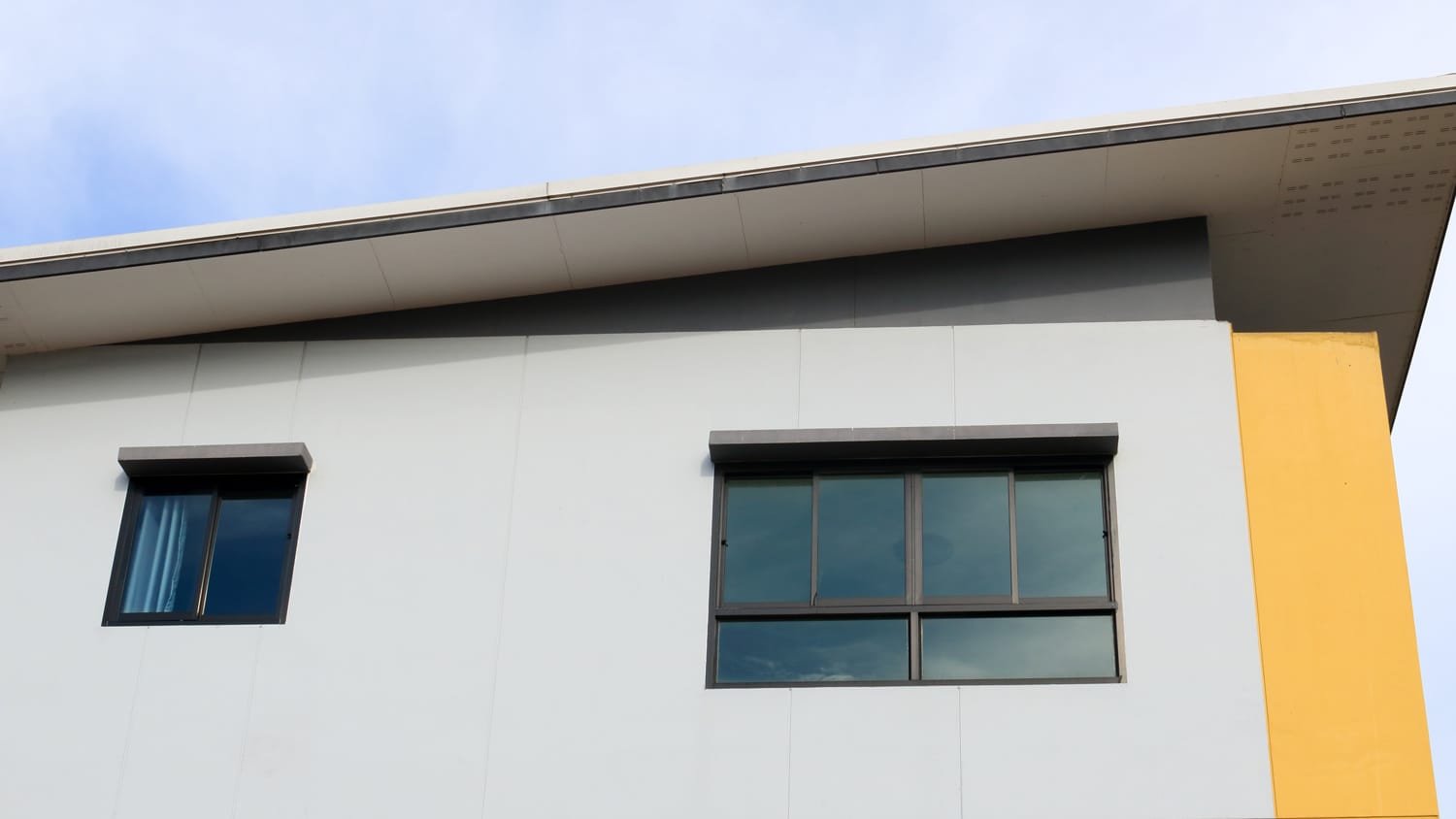
The visibility through tinted house windows depends on the lighting. During the day, when it is brighter outside, privacy film prevents people from seeing into your home. However, this effect reverses at night. If you have lights on inside, it becomes brighter indoors than outdoors, allowing people to see inside. To optimize privacy, you can select from various shades of film, ranging from lighter to darker, which affects how much is visible from the outside.
The Mission, SD homeowners’ guide to window tinting services
From average costs to expert advice, get all the answers you need to get your job done.
Tinting your home’s windows can add privacy, increase energy efficiency, and block damaging UV rays. Find out who tints home windows so you can hire the best.